The Velocity Premium in Oceanic Transit
Record runs across offshore corridors command massive capital, yet maritime travel markets ultimately price operational endurance over raw speed.
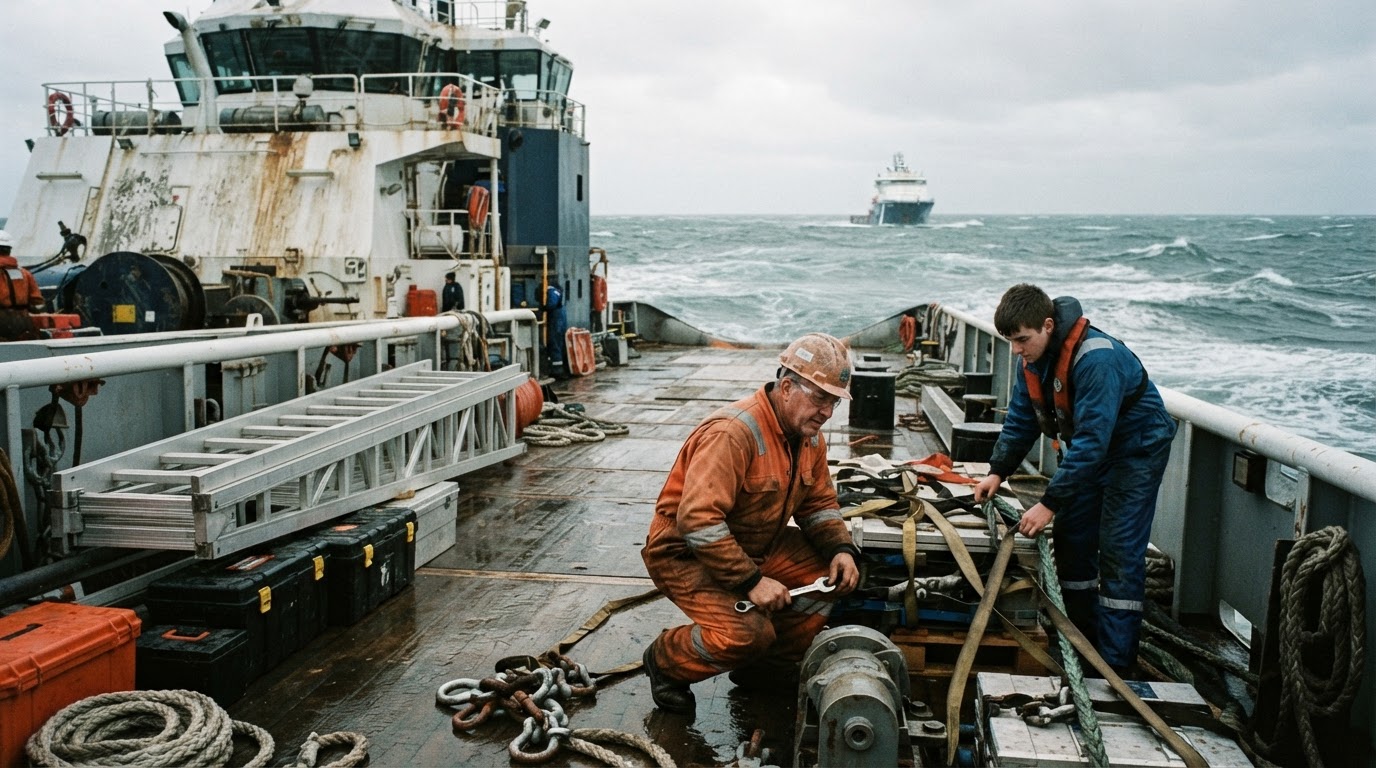
Offshore racing markets celebrate speed, yet commercial maritime travel lives or dies on asset depreciation. When experimental hulls accelerate, maintenance balances balloon. High-velocity passage captivates spectators. It also quietly strains the ledgers of the ports and operators bankrolling the spectacle.
That tension surfaces across the Atlantic. In the Route du Rhum-Destination Guadeloupe, a 22-strong IMOCA fleet is preparing for a blistering start and an exceptionally rapid passage to the north of the Azores islands. Yoann Richomme, the runner-up in the 2024-'25 Vendée Globe, anticipates record-breaking speeds for the class. His outlook reflects rapid advancements in offshore foiling. By lifting carbon hulls out of the chop, marine architects shave days off transits. Coastal host cities eagerly turn those fast arrivals into promotional collateral.
The Real Overhead of Speed
Speed costs. More precisely, structural velocity demands an unforgiving premium in composite repair and downtime that ordinary passenger economics cannot stomach. Waterfront hospitality and island transit systems operate on repeatable schedules, predictable maintenance, and tight asset turnaround. Racing prototypes operate on capital destruction.
Offshore racing runs on subsidized capital write-offs, while commercial water transit survives solely on predictable asset life cycles.
Sustained velocity batters marine hardware. The toll that mid-Atlantic waves take on foiling monohulls mirrors the endless degradation seen along celebrated coastal thoroughfares. Consider landmark infrastructure like the Pacific Coast Highway. As documented in maintenance accounts, iconic corridors demand constant capital replenishment against environmental wear. Promotional photography captures open roads and sleek hulls. Balance sheets capture rockslides, delaminated carbon, and bills for emergency drydocking.
In island leisure networks, who pays for speed? If a high-speed craft knocks forty minutes off an archipelago hop but doubles hull stress and engine servicing, the ticket price must rise. If passengers refuse to absorb that surcharge, the route bleeds cash. Commercial marine hospitality depends on high seat occupancy and consistent rotations. When a vessel spends two days docked for structural inspections after running in rough seas, its financial yield collapses. Prototypes built to break Atlantic records serve sports marketing departments, not viable transport networks.
Balancing Spectacle and Solvency
Corporate backers underwrite the Route du Rhum-Destination Guadeloupe because breaking ocean records produces immediate global reach. That gamble pays out as promotional equity. Racing syndicates treat shattered equipment as an operational marketing write-off. Commercial operators enjoy no such luxury.
Waterfront developments that attempt to anchor high-speed marine tourism face this exact constraint. Specialized marina berths engineered for deep-draft, fragile racing machinery consume prime shoreline acreage. Outside of regatta weeks, that infrastructure generates negligible baseline revenue. When port authorities overcommit resources to transient racing fleets, everyday water-taxi and ferry services absorb the collateral damage of steeper berthing fees and crowded channels. Dependable maritime hospitality requires simple hulls, manageable fuel consumption, and boats that endure seasonal squalls without factory technicians flying in for repairs.
Richomme and his rivals may well secure their record times north of the Azores. Crowds will cheer the technological feat. Yet for the broader coastal and maritime hospitality sector, the core economic reality remains unchanged. Ocean transit is never truly measured by peak hull speed. Survival depends on whether an asset can turn around tomorrow morning and cover its operating costs once again.
Sources
Newsletter
Pacific Daily
A curated briefing from Thailand, Asia-Pacific and the world.