Cross-Border Leisure Assets Face the Fixed-Cost Reality of the Weekend Market
Large room counts tethered to short ferry links reveal the structural limits of offshore hospitality economics.
SINGAPORE
Physical room inventory remains constant across seven days, yet outbound consumer demand from Singapore concentrates within forty-eight hours. That structural imbalance defines the commercial equation for Movenpick Resort & Spa Bintan Lagoon in Indonesia.
The property introduces 408 rooms to the Bintan beachfront. Access requires an estimated 70- to 90-minute ferry transit from Singapore, with routes running through Singapore’s Tanah Merah Ferry Terminal. On paper, short transit unlocks mainland wealth. In practice, proximity cannot correct hospitality capacity skew.
A 408-room plant creates an immediate asset-utilisation problem on an offshore island.
Singapore represents the primary feeder market. That demographic moves overwhelmingly on weekends. A two-day demand surge rarely amortises five days of carrying costs on an offshore property, where maritime exposure inflates ongoing maintenance budgets.
The High Cost of Captive Demand
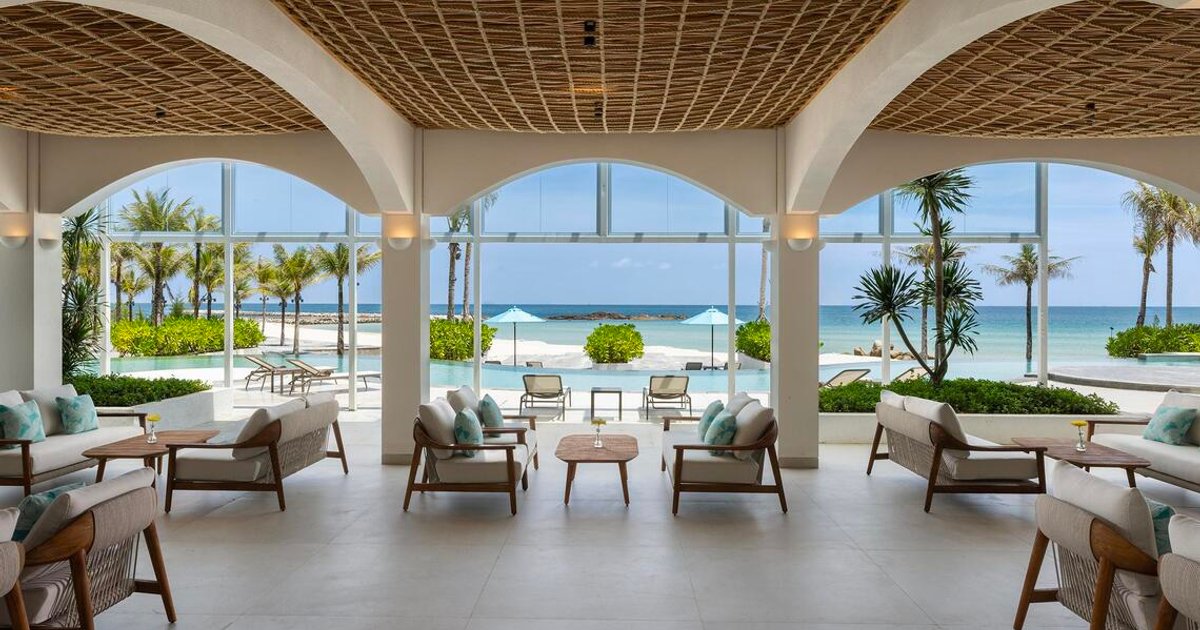
Resort hospitality models routinely attempt to counter the utilisation gap by capturing all guest spending on-site. The physical layout at Movenpick Resort & Spa Bintan Lagoon reflects this containment strategy. Ancillary operations include Sonada Beach Club, dedicated pools, and paid programming spanning spa treatments, fitness classes, kayaking, and batik painting.
Family demographics serve as the operator's primary hedge against mid-week revenue slumps. Facilities like the Little Birds Club and organized children’s workshops aim to draw bookings beyond single-night weekend stays. Yet family leisure patterns adhere rigidly to school terms and statutory holidays. Rather than smoothing the demand curve, empirical hospitality data shows family-targeted positioning often exaggerates demand spikes while leaving mid-week occupancy suppressed.
Offshore island inventory creates an immediate asset-utilisation problem when guest transit concentrates within forty-eight hours.
The counterargument rests on market integration. Industry advocates infer that a transit window under 90 minutes effectively incorporates Bintan into Singapore’s domestic weekend economy. Under this reading, sustained high per-capita spending from Singapore provides a reliable revenue baseline that insulates the asset from wider regional downturns.
Structural Limits of the Ferry Radius
That thesis assumes transit friction remains negligible. It is not.
Ferry connections impose scheduled seat capacity and fixed timetable caps. Mainland leisure options do not carry waterborne logistical friction. When a mainland urban market hits peak congestion, road alternatives absorb excess demand without ticketing barriers. Island assets lack that fluidity.
Capital realities enforce narrow operating margins on a 408-room inventory. Off-peak discounting can generate cosmetic occupancy gains between Monday and Thursday. Lower room rates, however, inevitably compress margins while fixed staffing costs remain immovable across major amenities. The Little Birds Club, water-sports operations, and dining venues demand baseline labor allocations regardless of whether daily occupancy sits at twenty percent or eighty percent.
Weekend occupancy will not determine whether Movenpick Resort & Spa Bintan Lagoon succeeds. Geography guarantees strong weekend volumes. Viability turns entirely on whether an offshore balance sheet can sustain five days of underutilised capital every week.
Sources
Newsletter
Pacific Daily
A curated briefing from Thailand, Asia-Pacific and the world.