Estuary Hospitality and the Mechanics of the Coastal Brand Flag
Global hotel operators absorb artisanal river mouths into international marketing networks while fundamental marine boundaries remain unchanged.
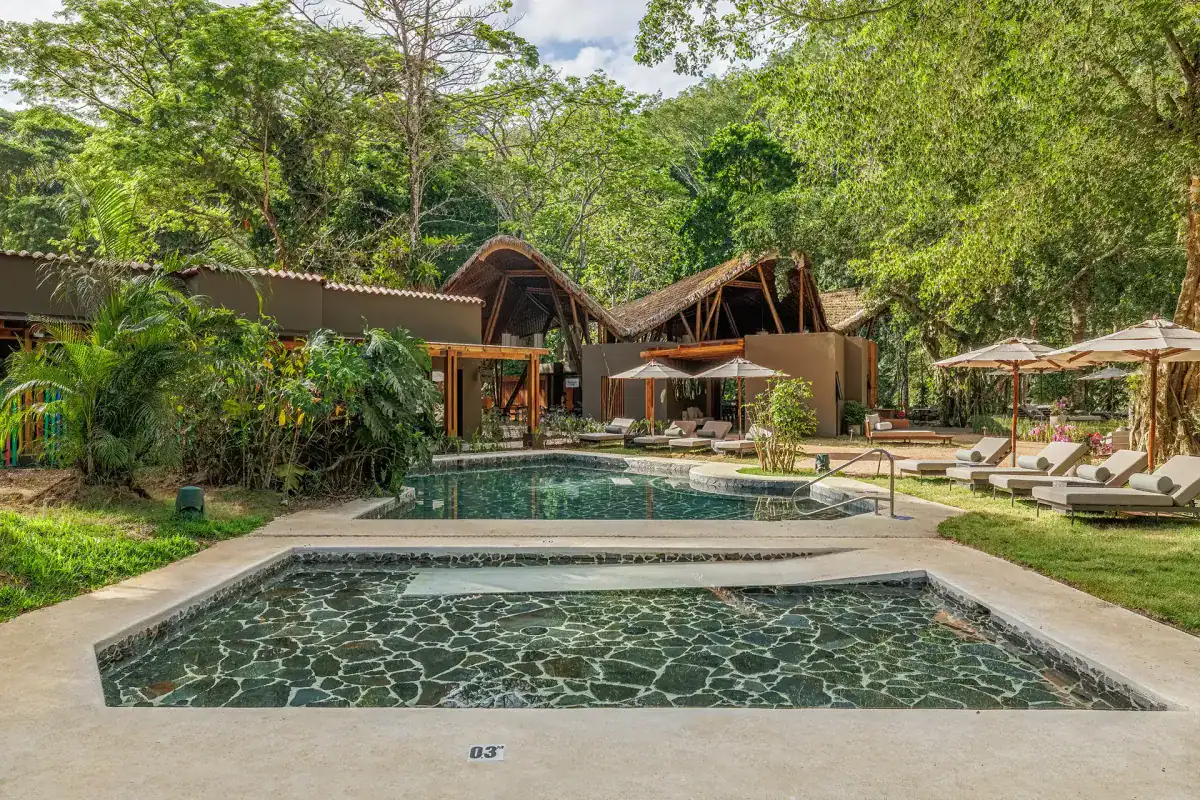
Commercial recognition across littoral corridors follows an established commercial trajectory. International lodging networks identify working marine topographies, overlay corporate distribution systems, and secure industry prizes before local infrastructure completes its transition. The announcement in October 2026 that Santa Lucía Jungle Hacienda collected two World Travel Awards serves as a direct case in point. Opening in January 2026 in Tárcoles on Costa Rica's Central Pacific coast, the property operates under Marriott International's Autograph Collection. Within its opening operational cycle, the venture secured titles as Costa Rica's Leading Boutique Hotel 2026 and Mexico & Central America's Leading New Hotel 2026.
Institutional endorsement from bodies founded in 1993 signals commercial viability to institutional lenders. Yet examining coastal assets requires looking beyond ceremonial citations to evaluate the underlying geography. Tárcoles has historically functioned as a working river system, shaped by artisanal fishing traditions, dense tropical forests, and an estuary populated by crocodiles. Introducing international corporate hospitality into such an inlet alters the local economic equation.
The Distribution Engine
Corporate flags provide boutique properties with instant global reservations. By entering the Autograph Collection portfolio, a rural coastal property in Central America accesses the central marketing architecture of Marriott International, drawing corporate clientele directly from North America and Europe. This operational umbrella shields new hospitality ventures from the lengthy organic marketing periods that standalone coastal lodges historically endured.
Industry citations validate brand distribution rather than resolving the logistical friction of operating within fragile estuarine waters.
That commercial advantage, however, exposes an operational paradox. Hospitality branding depends on marketing wilderness and traditional maritime settings while insulating commercial guests from the actual friction of coastal operations. Working river mouths are active industrial and biological zones. Commercial trawlers, tidal mudbanks, and predator-dense river water dictate daily movements along the Central Pacific shore. Institutional lodging relies on presenting these physical realities as passive scenery.
Marine Realities and Unresolved Pressures
Advocates of brand-backed coastal expansion contend that global flags channel private capital toward regional conservation. Under this framework, high-margin boutique properties provide municipal tax receipts and service employment, creating alternatives to resource extraction along depleted fisheries. This mechanism has precedent where international visitors substitute for declining artisanal yields. The economic logic assumes that capital inflow preserves peripheral environments by making them commercially valuable in their existing state.
Such assumptions often omit the physical demands of high-density tourism operations. Boutique properties require sustained water treatment, logistics transit, and uninterrupted waste handling alongside delicate estuarine reserves. In Central America as across Southeast Asian littoral zones, municipal services rarely match the acceleration of private resort development. When marketing accolades draw elevated booking volumes, local waterways absorb the downstream impact.
The real test of sustainable coastal development does not lie in regional trophies announced in Jamaica or published by industry bodies. Long-term stability depends on whether working fishing communities retain coastal access alongside corporate acquisitions. Marine corridors cannot simply function as scenic backdrops for multinational distribution networks without adequate investment in municipal treatment systems and waterfront access rights. Tárcoles now faces the precise balance between corporate prestige and physical coastal preservation, with the outcome resting entirely on whether civic infrastructure can govern commercial expansion before regional waterways absorb the strain.
Sources
Newsletter
Pacific Daily
A curated briefing from Thailand, Asia-Pacific and the world.