Cam Ranh and the Capital Allocation of Coastal Transit
Resort clustering along Bai Dai demonstrates how proximity to international runway infrastructure dictates hotel asset economics
SINGAPORE
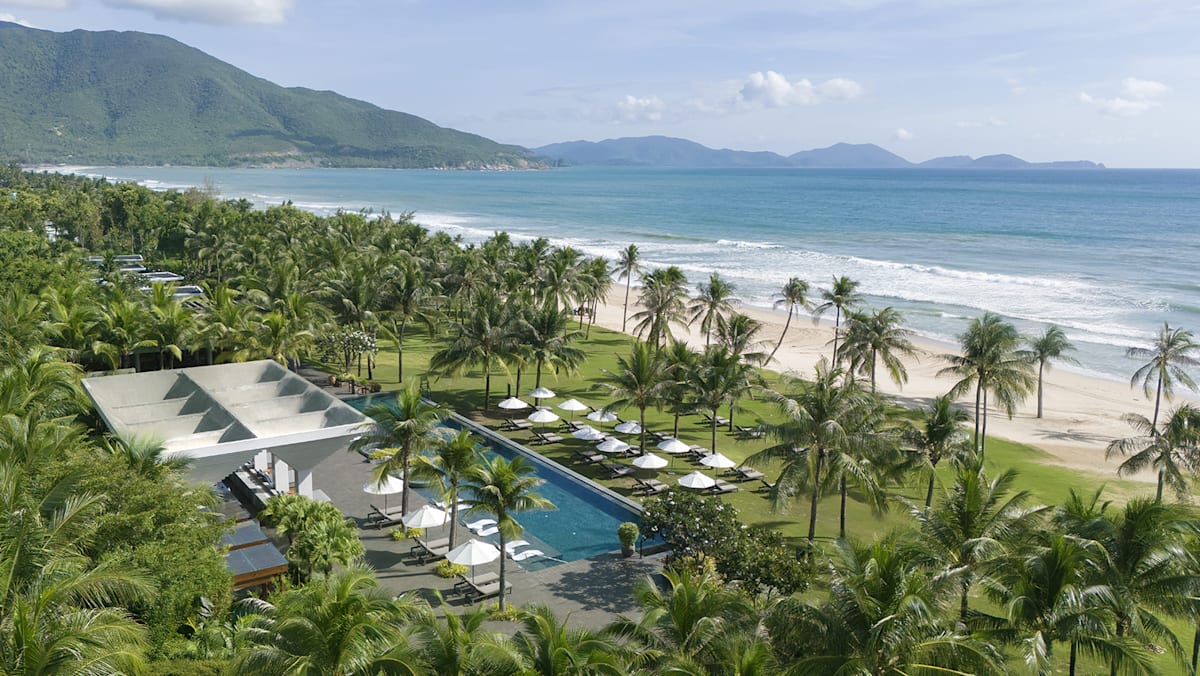
Capital allocated to coastal leisure follows tarmac before it follows topography. Along the Bai Dai coastline near Cam Ranh, a corridor largely undeveloped a decade ago has absorbed institutional hospitality investment for a straightforward operational reason: its proximity to an international runway. The entry of properties such as JW Marriott Cam Ranh Bay Resort & Spa confirms that institutional developers are no longer treating south-central Vietnam as an informal spillover from Nha Trang. They are assembling dedicated hospitality nodes engineered around compressed ground transfers.
The mechanics are simple. Sitting a brief 15-minute transfer from Cam Ranh International Airport, beachfront developments along Bai Dai reduce terminal-to-room transit friction to near zero. Every minute eliminated from highway logistics protects per-guest expenditure yields, prevents arrival attrition, and keeps visitor spend concentrated inside property perimeters. For developers calculating returns on high-fixed-cost real estate, transit compression turns isolated sand into an investable perimeter.
Spatial Realignment
This capital dynamic reorganises Vietnam's regional tourism hierarchy. Traditional hubs like Nha Trang and the metropolitan scale of Ho Chi Minh City historically handled international gateway traffic. Dedicated coastal pockets now compete directly for overseas arrivals alongside established beach zones like Phu Quoc or My Khe. By securing direct coastal real estate immediately adjacent to international runways, developers bypass domestic urban congestion entirely.
Cultural itineraries serve as secondary balance-sheet support. Regional operators highlight traditional Cham craftsmanship and the historic architecture of Nha Trang to market destination depth. Yet asset level cash flow depends on self-contained capture along Bai Dai itself. Heritage circuits offer marketing differentiation; the underlying debt service depends on captured resort food, beverage, and lodging margins.
Transit compression turns isolated littoral sand into an investable balance-sheet perimeter.
Source market flows explain why asset managers demand this logistical insulation. Russian holidaymakers increasingly select Vietnamese coastal zones for extended leisure travel, while competing regional alternatives vie for outbound leisure budgets across Southeast Asia. Leisure capital is geographically impatient. If secondary destinations lack frictionless transfer corridors, cross-border expenditure diverts to competing regional airports that guarantee shorter ground travel.
Structural Bottlenecks
High fixed overhead creates acute operating vulnerabilities. When destination assets rely on direct proximity to Cam Ranh International Airport, operating margins become captive to airline flight scheduling. Any contraction in direct international charter frequencies or direct scheduled routes forces operators to slash average daily rates to backfill rooms via domestic transfers. Rate deflation compresses operating cash flows instantly, threatening loan amortization schedules drawn up under aggressive revenue assumptions.
Runway asphalt can compress transit times, but it cannot manufacture structural pricing power. As resort density along Bai Dai expands, commercial solvency will ultimately depend on whether aviation regulators and carriers sustain direct international route allotments into Cam Ranh rather than routing arrivals through primary commercial hubs.
Sources
Newsletter
Pacific Daily
A curated briefing from Thailand, Asia-Pacific and the world.