The Fracturing Lifeline of the Coastal Archipelago
Sudden executive departures at BC Ferries expose how corporate restructuring struggles to reconcile basic public passage with administrative demand.
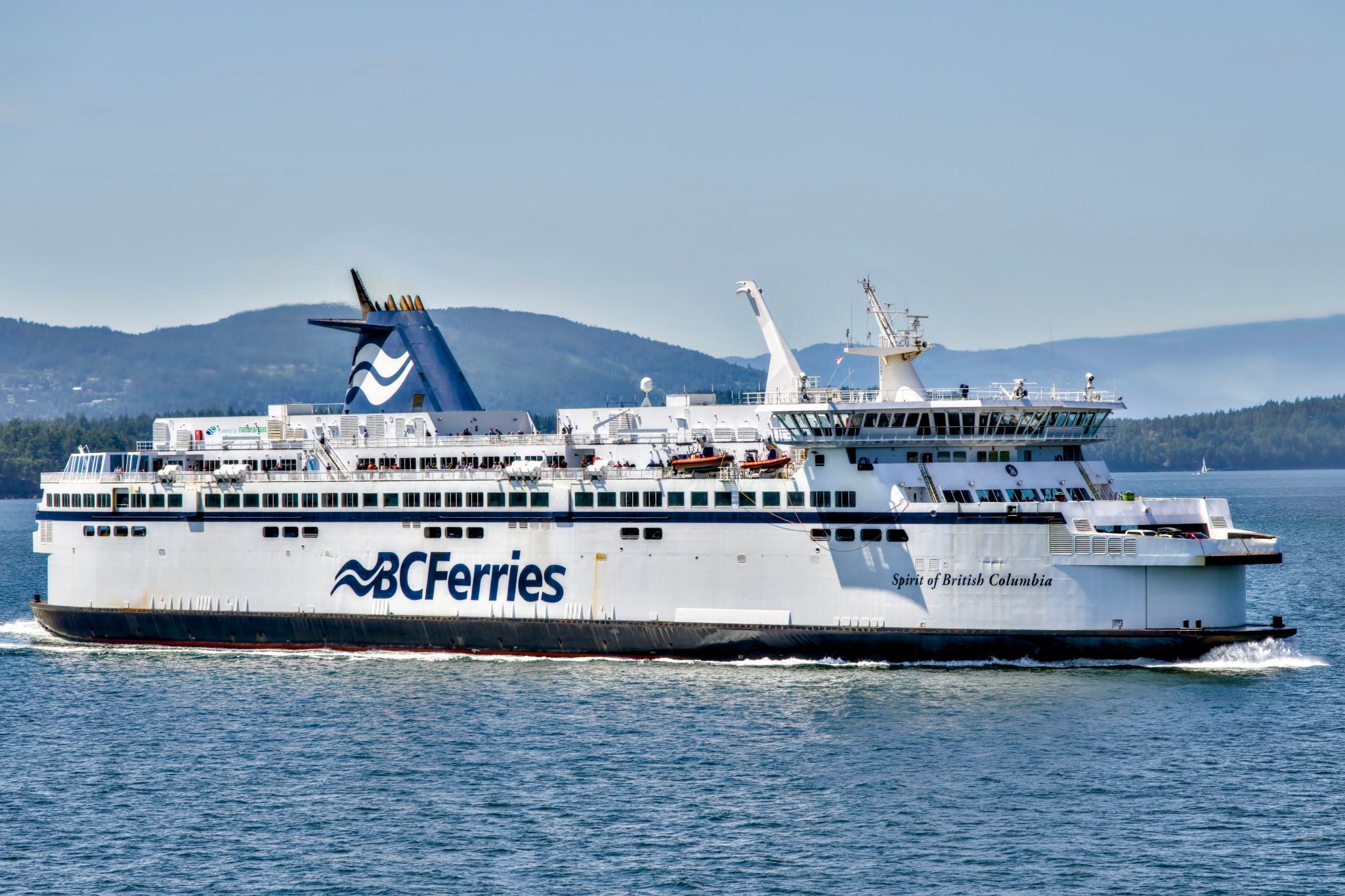
Water routes bind coastal settlements long before corporate charters give them names. Across rugged marine corridors, vessels function as floating highways. They deliver produce, transport islanders to medical appointments, and maintain the fragile civic continuity of communities separated by deep tidal channels. When that rhythm stumbles, the consequences reach far beyond delayed departure boards.
The sudden removal of Nicolas Jimenez as president and chief executive officer of BC Ferries marks an abrupt shift in how British Columbia manages its marine transit. Cathy McLay, the chair of the company's board of directors, announced that Jimenez has left his position immediately. Brian Anderson, previously serving as vice-president responsible for strategy and planning, now steps forward as interim president and chief executive. Alongside this executive displacement, the board initiated a process it calls a Revitalization Review, intended to confront escalating service pressures and formulate fresh approaches toward serving travelers and coastal communities.
Yet McLay offered neither a formal rationale for Jimenez's immediate departure nor an operational timeline for securing a permanent successor. Silence followed. This administrative vacuum leaves coastal populations navigating institutional ambiguity precisely when their transit operator admits that existing arrangements cannot withstand current demands. Governance during operational strain frequently defaults to sudden managerial displacement, treating essential community lifelines as corporate machinery requiring procedural repair.
The Friction Between Lifeline and Enterprise
Marine transit systems occupy a precarious boundary between civic obligation and balance-sheet discipline. Island residents depend on scheduled sailings not out of consumer choice, but out of basic physical necessity. When vessel mechanical issues arise, or when staffing constraints force route cancellations, the institutional remedy often retreats into executive replacement and internal reassessment. Board directors cite rising passenger demands, yet initiating procedural reviews rarely mends the underlying tension between an essential public service and enterprise management.
Anderson brings an internal background steeped in corporate strategy and planning. That portfolio suggests an impulse toward structural containment, route rationalization, and organizational efficiency. Administrative restructuring, however, struggles to capture the everyday rhythm of terminal docks, where islanders plan their workdays, school commutes, and freight deliveries around a vessel's bow ramp. Replacing an executive without transparent explanation breeds skepticism among coastal residents, who need dependable crossings rather than administrative reframing.
Governance Across the Maritime Margin
Coastal logistics networks across the broader Pacific Rim wrestle with comparable governance strains. As regional transport authorities attempt to maintain ageing marine infrastructure against shifting coastal populations, peripheral settlements regularly absorb the brunt of operational volatility. The dilemma confronting maritime transit is not simply whether a strategic planner occupies the chief executive's office, but whether a public utility can preserve its civic mandate when oversight boards evaluate passage through the narrow lens of corporate reviews.
Board leaders might reasonably argue that an immediate departure at the summit, paired with an unsparing operational review, presents the only decisive route out of systemic stagnation. Delaying structural corrections under existing leadership can entrench organizational paralysis during mounting public dissatisfaction. Anderson's direct familiarity with internal strategy and planning could theoretically provide operational continuity while the organization recalibrates.
Yet the quiet habits of coastal life remain anchored to the water itself. Long after board announcements fade and reviews conclude, the basic social contract endures unchanged: a ferry either arrives at the slipway to open its ramp, or an entire community remains stranded on the shore.
Sources
Newsletter
Pacific Daily
A curated briefing from Thailand, Asia-Pacific and the world.