Costa Rica's US Military Considerations Signal Broader Geopolitical Shifts
President Fernandez's discourse on US military presence warrants examination beyond Central American shores, suggesting a recalibration of security posture in regions far removed from traditional flashpoints.
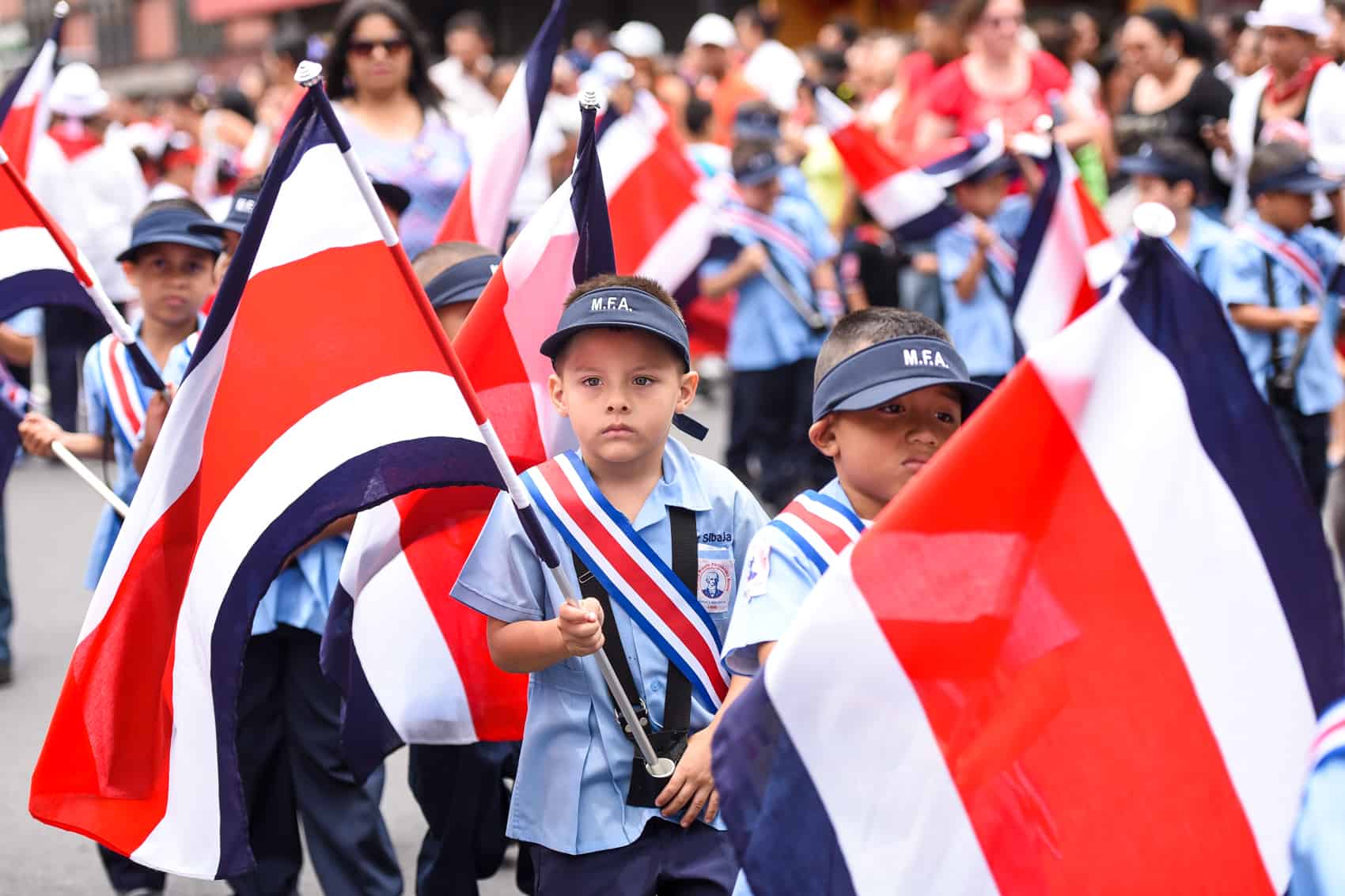
Costa Rican President Laura Fernandez's recent statements regarding a potential future US military presence on the ground in her nation, as reported by The Tico Times, indicate a shift from the joint maritime patrols previously conducted. This discussion, occurring during Costa Rica's Independence Week, moves beyond established anti-narcotics cooperation. The prospect of a visible US military footprint in a country known for its demilitarization requires contextualization within a larger pattern of US strategic positioning.
While the immediate impetus for President Fernandez's consideration is not explicitly detailed, the timing aligns with other regional and global developments. Reuters reported in November 2025 on the US preparing a military staging ground near Venezuela. This suggests an broader intent to solidify strategic locations. In February 2024, Brazil increased its military presence in the Amazon, demonstrating a focus on territorial control within its own borders.
The implications of such a decision in Costa Rica extend beyond Central America. The United States' strategic interests are demonstrably expanding and adapting to perceived threats or opportunities across various geographies. Europe, for instance, has mobilized in response to former President Trump's demands for 'complete and total control' of Greenland, a situation highlighted by ABC News in February 2026. EU leaders have also voiced concerns about Trump's threats challenging European security and prosperity, as reported by The Hindu in January 2026. These instances, though geographically distant, collectively illustrate a global environment where established security alignments are being reassessed or strengthened.
From a maritime and spatial perspective, increased US military presence, whether in Latin America or elsewhere, directly impacts the calculation of influence and access. While the immediate focus for Costa Rica might be internal security or counter-narcotics operations, the long-term effect of allowing a ground presence is a shift in its geopolitical standing. A counterargument suggests that this move could simply be an extension of existing cooperation, aimed at bolstering internal security and stability without broader strategic aims. The shift from maritime patrols to potential ground presence, however, indicates an escalation in the nature of involvement.
The economic implications for Costa Rica are not immediately clear from the available facts. The absence of financial data or specific agreements makes it difficult to assess the 'berth economics' of such a proposition. However, a significant military presence invariably entails infrastructure development, logistical support, and potential long-term commitments that alter local economies. The unresolved question is how Costa Rica will manage the balancing act between perceived security benefits and the potential for becoming a more central player in hemispheric military strategy, especially considering its long-standing commitment to demilitarization.
Sources
Newsletter
Pacific Daily
A curated briefing from Thailand, Asia-Pacific and the world.