Japan’s High-Speed Express Push Masks a Deeper Intercity Transit Squeeze
Adding premium Tokyo-Osaka services alongside fare hikes and freight conversions signals commercial triage rather than network growth.
SINGAPORE
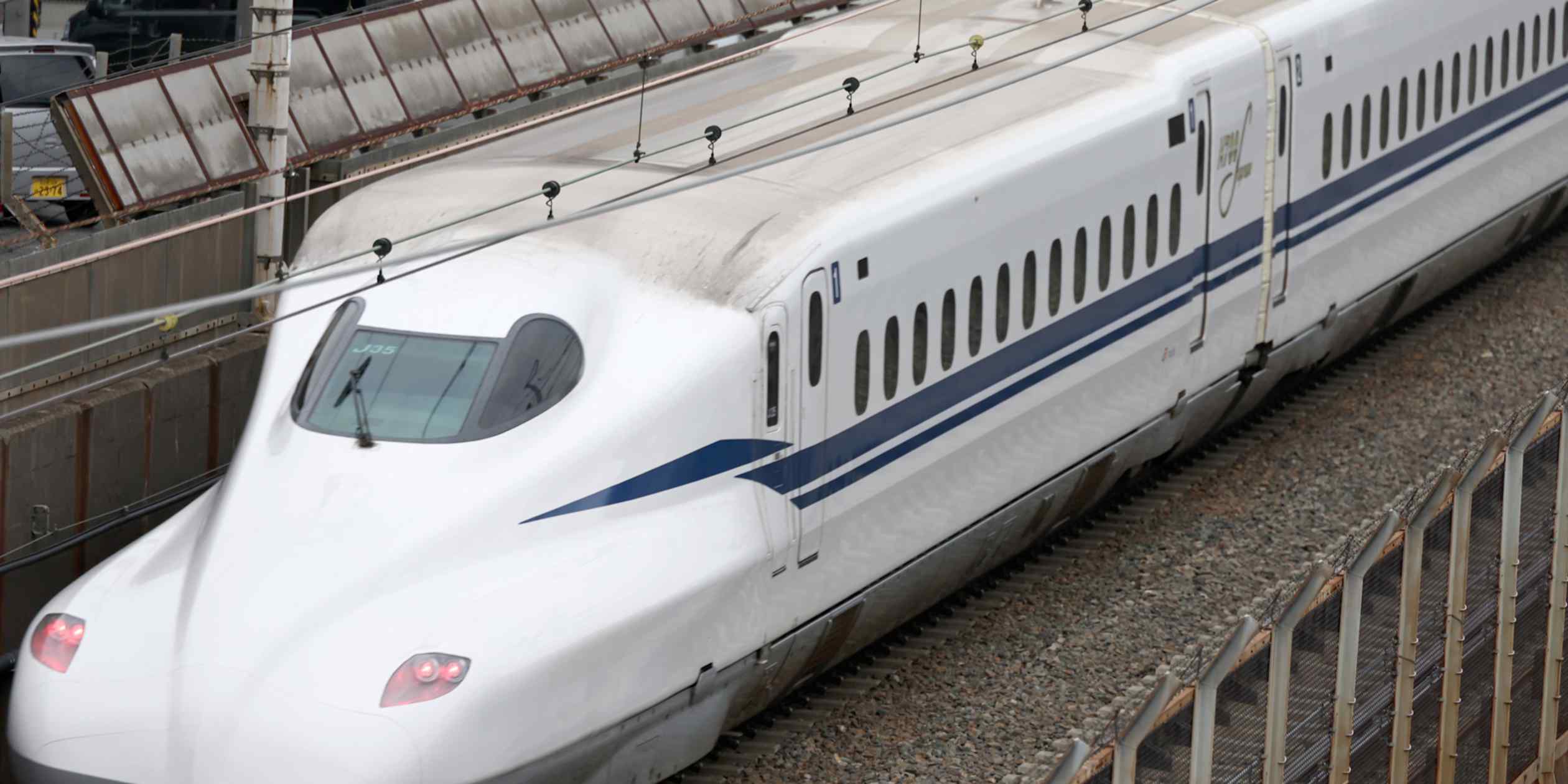
A transit corridor engineered to unify regional geography inevitably ends up serving its two richest terminal points when operational margins tighten. In Japan, where a bullet train operator is weighing an expansion of express departures linking Tokyo and Osaka, that tension is moving to the center of intercity transport planning. On the surface, adding express runs along the Tokyo-Osaka trunk line suggests reviving demand for corporate mobility. Examined against the sector's mounting structural pressures, however, the adjustment looks less like an expansion into fresh traffic and more like an aggressive extraction of revenue from an already mature arterial route.
High-speed rail economics once operated on the certainty of ever-expanding passenger volumes between major urban poles. That model broke when Coronavirus cast a long shadow over bullet train operators, grounding business travelers and accelerating remote commercial interactions. Travel routines that had underwritten passenger operations across Japan for decades did not fully return with the lifting of public health curbs. What emerged instead was a fractured travel market, forcing rail management to confront permanently altered volume curves alongside rolling stock that runs below historic occupancy.
Corridor concentration and premium pricing
Faced with persistent structural deficits, transport authorities have moved toward defensive commercial adjustments. Earlier, passenger operators began shifting bullet train capacity toward cargo as passenger seats went unfilled, turning carriages once reserved for commuters into freight haulage corridors. At the same time, bullet trains are scheduled to raise super express fares in 2027. Squeezing higher yields from passenger tickets while concurrently converting passenger cars to move parcels confirms that baseline passenger ticket revenue is no longer carrying the network on its own.
Concentrating extra departures on the Tokyo-Osaka express timetable is a tactical response to this shortfall. By directing rolling stock into express services between the country’s two dominant commercial hubs, management isolates the single passenger segment that remains relatively price-insensitive: time-pressured executives willing to absorb the planned 2027 super express tariff increases. Yet this deployment creates a stark operational contradiction across the network. High-speed passenger lines increasingly balance two divergent functions on the same physical infrastructure, courting premium travelers on one timetable while filling vacant passenger compartments with commercial cargo on another.
The regional cost of express triage
This commercial triage carries real regional friction for the communities situated outside the metropolitan terminals. When operators privilege express departures to preserve operating returns between Tokyo and Osaka, intermediate jurisdictions along the right-of-way absorb the operational costs of high-speed infrastructure without capturing its connectivity. Trains that bypass intermediate platforms to trim minutes off terminal-to-terminal travel times provide no regional stimulus to the towns they pass through. The trunk line begins to function less as a shared regional utility and more as a fortified corridor connecting two primary corporate clusters.
Converting passenger rolling stock to cargo reflects just how stubborn the demand contraction remains. Capital-intensive railway infrastructure demands relentless cash flow for basic physical maintenance, and turning to freight to compensate for unsold seats highlights the demographic and economic ceiling closing in on Japan's transit operators. Pushing costs onto the travelling public through the 2027 super express fare hikes will further test the price tolerance of passengers who have already trimmed their travel itineraries.
Running additional express services between Tokyo and Osaka may stabilize operating revenue over the near term, but it leaves the core structural vulnerability untouched. Rail systems can adjust schedules, recalibrate ticketing tiers, and repurpose passenger cars for freight to cushion their balance sheets against the lingering disruption triggered by Coronavirus. What remains unresolved is the deeper spatial constraint: an expansive, high-velocity network constructed for mass passenger mobility must now survive on a contracting passenger base.
Sources
Newsletter
Pacific Daily
A curated briefing from Thailand, Asia-Pacific and the world.