Atlanta Dream's Title Win Exposes the Limits of Compressed Sports Calendars
As fixture frequency clashes with player recovery, the 2026 WNBA Finals revealed that modern championship success hinges on absorbing logistical strain rather than tactical design alone.
SINGAPORE
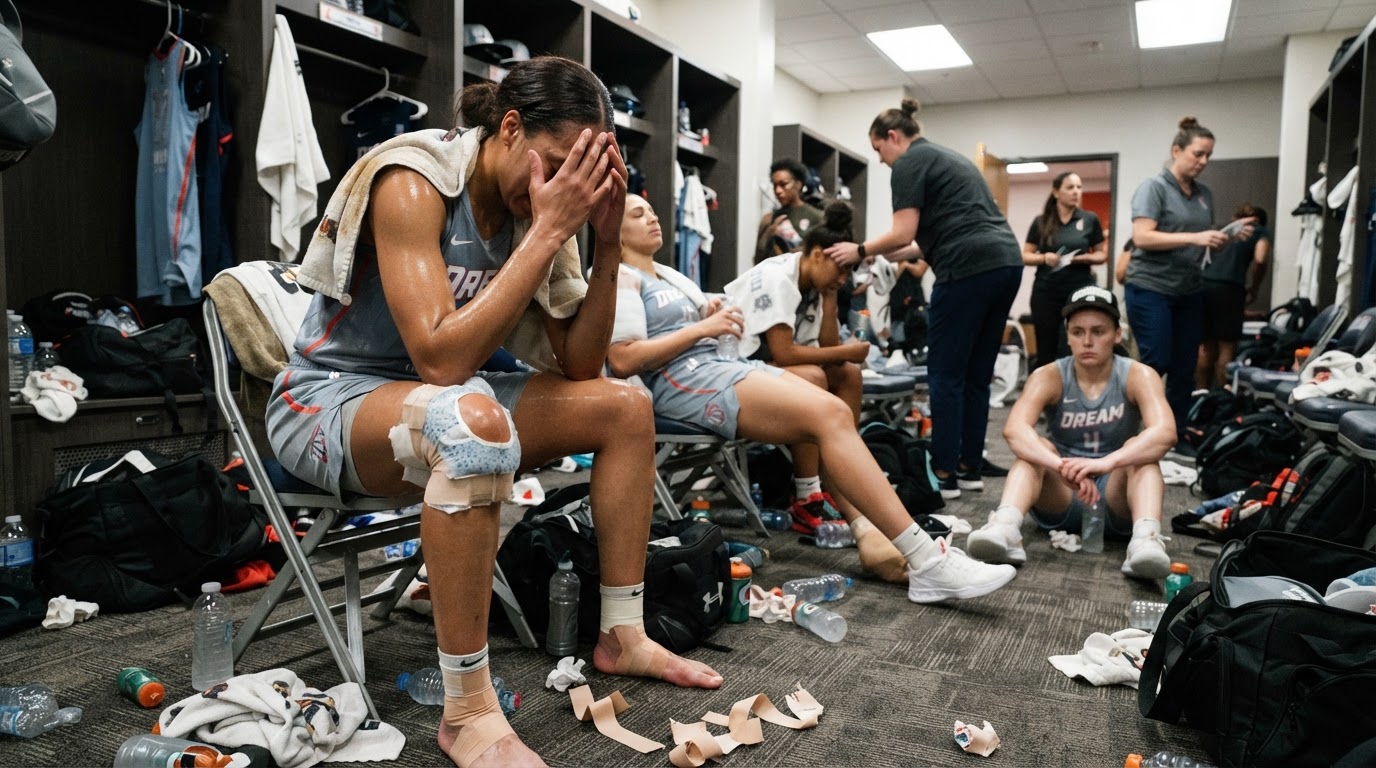
The Atlanta Dream concluded the 2026 WNBA Finals on Oct 29, 2026, securing a Game 6 victory over the Golden State Valkyries at State Farm Arena in Atlanta, Georgia. Securing the title in Georgia terminated an arduous competitive sequence marked by intense calendar congestion, following Game 3 on Oct 21, 2026, at the same venue. On the surface, the contest will be remembered as a triumphant close to a gruelling postseason run. Fundamentally, however, the series revealed how compressed calendar architecture imposes hard physical limits on team performance, transforming athletic governance into an exercise in operational crisis management.
Elite sports operations operate under an enduring institutional tension: commercial demands necessitate concentrated broadcast schedules, while competitive integrity requires adequate physical recuperation. When fixtures are compressed into relentless intervals, the quality of execution inevitably shifts from strategic preparation to sheer physiological attrition. The Dream navigated this acute operational bottleneck, ending what contemporary reporting described as a schedule nightmare through disciplined roster rotation and defensive resilience.
Throughout the series, individual match-ups reflected the cumulative toll of this condensed itinerary. During Game 6 at State Farm Arena, Atlanta Dream forward Angel Reese was defended directly by Golden State Valkyries forward Laeticia Amihere, a sequence encapsulating the relentless physical confrontation required under severe fatigue. While early analysis highlighted whether tactical playmakers like Jordin Canada could disrupt defensive schemes, the physical stamina required to execute those tactics deteriorated under the weight of unrelenting travel and brief rest windows.
Structural Strain in Modern Sports Calendars
Franchise operations in professional leagues are engineered to optimise performance under controlled conditions, yet modern commercial scheduling routinely dismantles those assumptions. When broadcast partners demand uninterrupted programming windows, administrative bodies compress postseason series into punishing turnarounds. This logistical pressure penalises expansive tactical systems and rewards squads capable of absorbing blunt physical trauma. Atlanta demonstrated superior logistical resilience in Georgia, maintaining defensive consistency despite the physical depletion inherent in championship competition within a constricted calendar.
For the Golden State Valkyries, the defeat exposed the structural ceiling that expansion franchises encounter when navigating late-stage playoff density. Building an elite operational roster requires depth that can withstand abrupt scheduling shocks. While the Valkyries mounted an impressive campaign to reach the finals in 2026, their reliance on key individual performers left them vulnerable as rotational strain mounted. Tactical adjustments cannot substitute for physiological recovery when a series extends deep into late October.
The Unresolved Boundary of Commercial Expansion
Sports governing bodies worldwide now confront this exact structural friction between commercial extraction and human capability. Postseason calendar compression is frequently rationalised as an inevitable outcome of commercial popularity, yet each additional broadcast window extracts a direct physical cost from the competitors on the floor. When elite performers are pushed through compressed turnarounds without structural respite, the strategic discipline that defines professional basketball risks being replaced by survival tactics.
The championship earned by the Atlanta Dream confirms their defensive tenacity, but the institutional vulnerability exposed during the 2026 finals persists across professional sporting systems. League organisers have yet to reconcile the commercial imperative of rapid fixture scheduling with the physiological requirements of championship-calibre competition. Until administrators establish rigid boundaries around recovery windows, operational exhaustion will remain a decisive factor in determining champions across the United States and international sports governance.
Sources
Newsletter
Pacific Daily
A curated briefing from Thailand, Asia-Pacific and the world.