The enduring image of Asia, seen through a different lens
Fan Ho's Hong Kong photographs in an Italian palace reveal a deeper current.
SINGAPORE
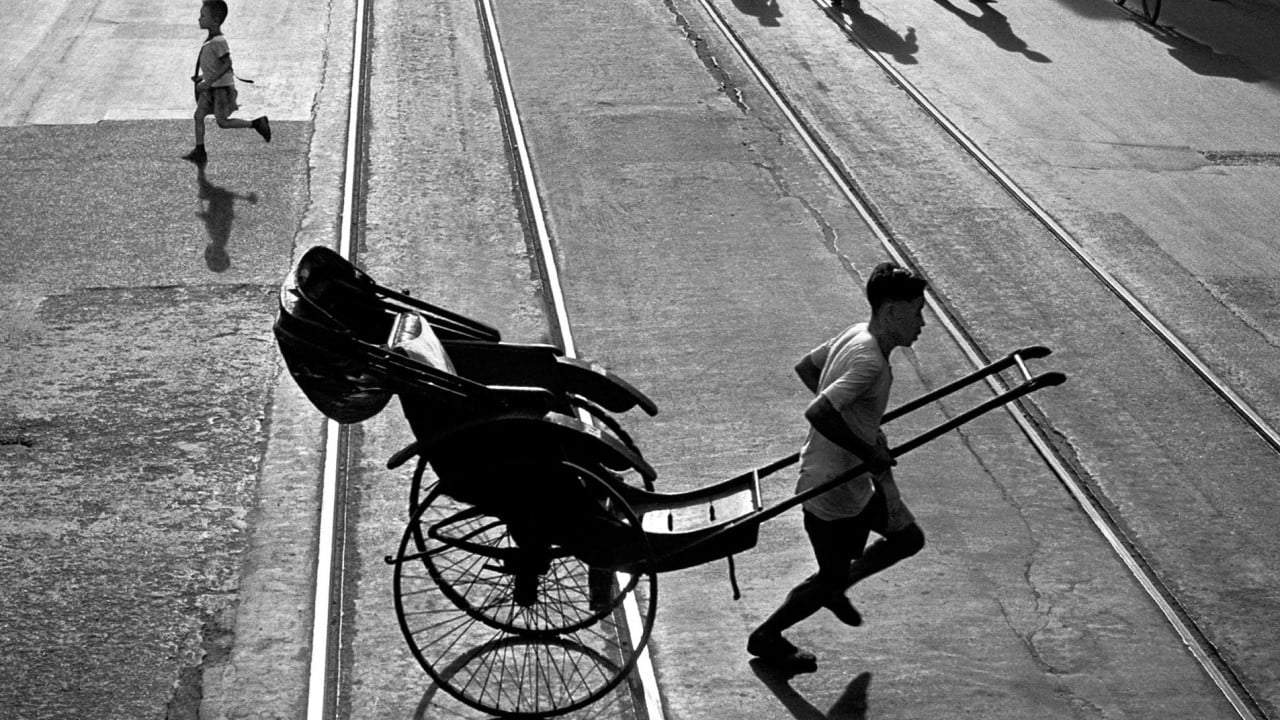
The presence of Fan Ho's mid-20th century Hong Kong photographs in an exhibition at the Palazzo Falletti di Barolo in Turin, Italy, offers an observation that extends beyond the specific subject of his lens. This noble residence, perhaps an unexpected venue for images of Hong Kong life from the 1950s and 60s, nevertheless creates a particular kind of juxtaposition. It places a record of everyday human activity from a specific Asian city into a European architectural context, prompting a consideration of how cultural artifacts travel and are reinterpreted.
Fan Ho’s work, which the SCMP Lifestyle describes as "poetic camerawork" and notes for its ability to "capture everyday human activity in 1950s and 60s Hong Kong," depicts a Hong Kong of a particular era. These images, initially created within their local context, now exist within a global exhibition circuit. The exhibition's premise, as expressed by a source, suggests that Ho's photography constitutes a "universal language that transcends the barriers of culture and time." This assertion, attributed to Fan Ho himself, positions his visual documentation as something that communicates across different eras and geographical spaces.
The transmission of these images to a European setting invites examination of how cultural narratives from Asia are presented and received. It is not merely a display of photographs; it is a presentation of a specific historical moment from Hong Kong, curated within a space that carries its own historical and cultural weight. This recontextualization means that while the images preserve a visual record of a past Hong Kong, they are simultaneously being reframed for a new audience, potentially altering the emphasis of their original meaning. The 2014 Guardian article, for instance, described his work in terms of "finding love and light." This interpretive framing often accompanies the international circulation of Asian cultural works.
What is quietly being replaced, or perhaps subtly shifted, in this process is the localized understanding of these works. For those unfamiliar with Hong Kong’s mid-century history, the images might primarily evoke a sense of timeless human experience or an aesthetic appreciation for light and shadow, as suggested by the "poetic" descriptor. The specific social or economic nuances embedded within scenes of 1950s and 60s Hong Kong life could become secondary to a broader, more generalized artistic appeal in such a setting. This is not necessarily a diminishing of the art, but an alteration of its cultural function, moving from document to international exhibit.
This pattern, where Asian cultural expressions are transported and reinterpreted, holds significance across the Asia-Pacific. From the celebrated works of art now housed in Western museums to culinary traditions that adapt to new palates, the journey of cultural forms often involves a re-evaluation of their inherent meaning and context. While the core visual information of Fan Ho's photographs remains, their presentation in Turin means that their meaning is now partially defined by the dialogue between a mid-century Hong Kong street and an Italian palace. The event becomes not just a display of images, but an illustration of how global cultural exchange shapes the perception of Asia's past.
Sources
Newsletter
Pacific Daily
A curated briefing from Thailand, Asia-Pacific and the world.