Craft in the Asia-Pacific: The Silent Battle of Making
Amidst readily available festive items, the meticulous work of traditional artisans reveals deeper tensions about cultural value and the nature of preservation.
SINGAPORE
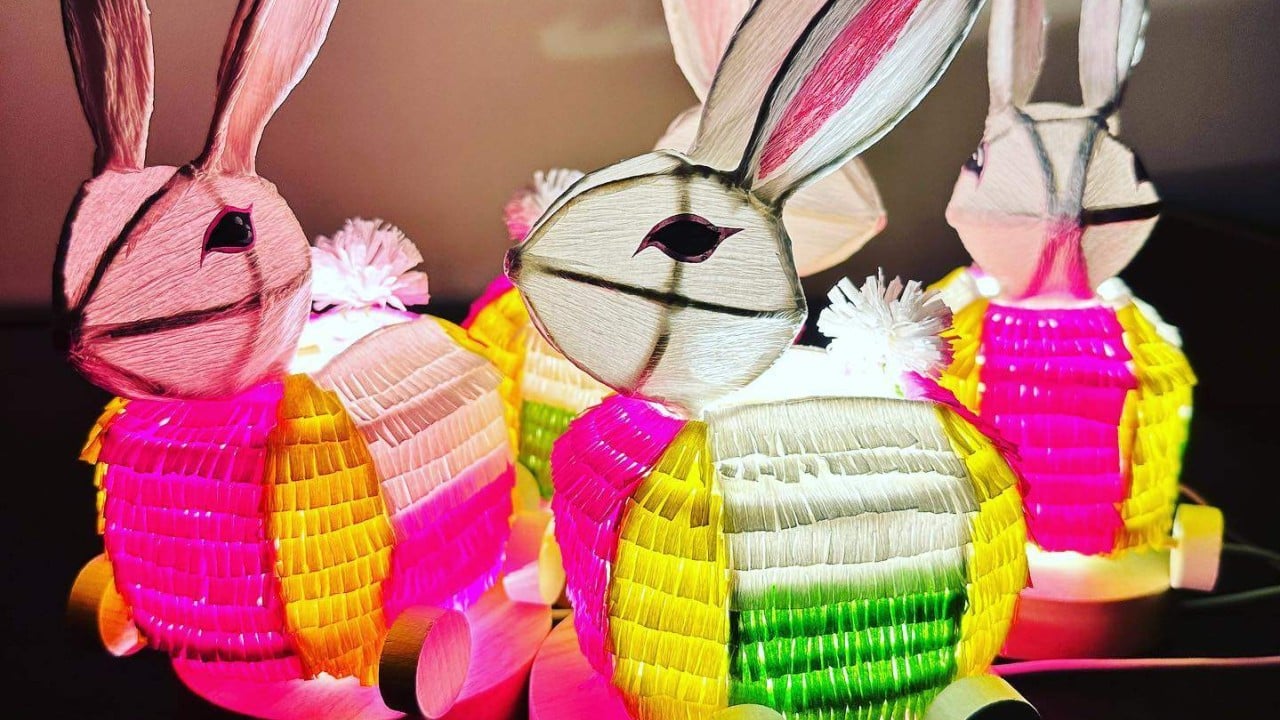
A click delivers Mid-Autumn Festival lanterns in every conceivable size and style these days. The ease of acquisition, now a common characteristic of consumer markets, has made such objects ubiquitous. Yet, within this landscape of effortless availability, a subtle but significant resistance manifests. It is found in the meticulous handiwork of individuals such as Hong Kong fashion designer and lantern artisan Wan Wong, 52, who dedicates hours annually to crafting traditional bamboo, wire, and cellophane lanterns. This practice, reported by SCMP Lifestyle, is not merely about making an object; it is about sustaining a particular cultural grammar.
Her efforts, and those of a dedicated few in Hong Kong, defy a fast consumerism trend. This defiance, however, is not a rejection of modernity itself, but a nuanced engagement with what modernity means for cultural artefacts. The Mid-Autumn Festival, described as a cherished centrepiece of the festival across Southeast Asia, continues to feature lanterns prominently. But the mode of their creation, and thus their meaning, is undergoing a transformation. The shift from handcrafted tradition to mass-produced convenience reveals a deeper tension about value: is it in the object’s function, its aesthetic, or the human labour and cultural knowledge embedded within its making?
This dynamic is not unique to Hong Kong or the Mid-Autumn Festival. Across the Asia-Pacific, similar processes are at play. Events like the Moon Festival returning to Auckland with giant lanterns, reported by RNZ, demonstrate a public appetite for these cultural expressions. However, the source of these displays — whether from traditional artisans or industrial manufacturers — often goes unexamined. Luxury brands, for instance, have re-entered the market with Mid-Autumn Festival offerings such as mooncakes, as reported by the South China Morning Post, indicating a commercial appetite to participate in, and profit from, these traditions. This commercialisation, while potentially raising the profile of a festival, also risks abstracting its components from their origins.
The convenience of mass production and the efficiencies it offers are undeniably compelling. For many consumers, the choice is between a readily available, affordable item and a scarce, more expensive handcrafted alternative. There is an argument that mass production democratises access, making cultural symbols available to a wider audience who might otherwise be excluded by cost or rarity. This perspective suggests that the widespread presence of lanterns, regardless of their origin, contributes to the festive atmosphere and preserves the *idea* of the tradition, even if the *practice* of crafting is diminished.
However, the work of artisans like Wan Wong offers a potent counterpoint. Their dedication highlights that the value of certain cultural objects resides not just in their final form but in the process of their creation, the materials used, and the intergenerational knowledge transferred. The barriers faced by artisans, such as the economic pressures of competing with mass-produced goods, pose a significant threat to the continuation of these crafts. The question remains whether the public consciousness values the story of the maker as much as the object itself. The proliferation of digital platforms and the ease of online purchasing often obscure the human element behind production.
The preservation of traditional craft in the face of industrial efficiency reflects a deeper cultural negotiation. It asks societies across the Asia-Pacific to consider what elements of their heritage they deem indispensable and how they choose to sustain them. This is not about choosing between past and present, but about understanding how the present consumes the past. The tension remains: between the widespread, accessible, yet impersonal, and the rare, demanding, yet deeply personal, within the cultural landscape.
Sources
Newsletter
Pacific Daily
A curated briefing from Thailand, Asia-Pacific and the world.