Hong Kong's Heroines: A Legacy Beyond the Frame
The lasting cultural impact of female action stars on Asia-Pacific narratives.
HONG KONG
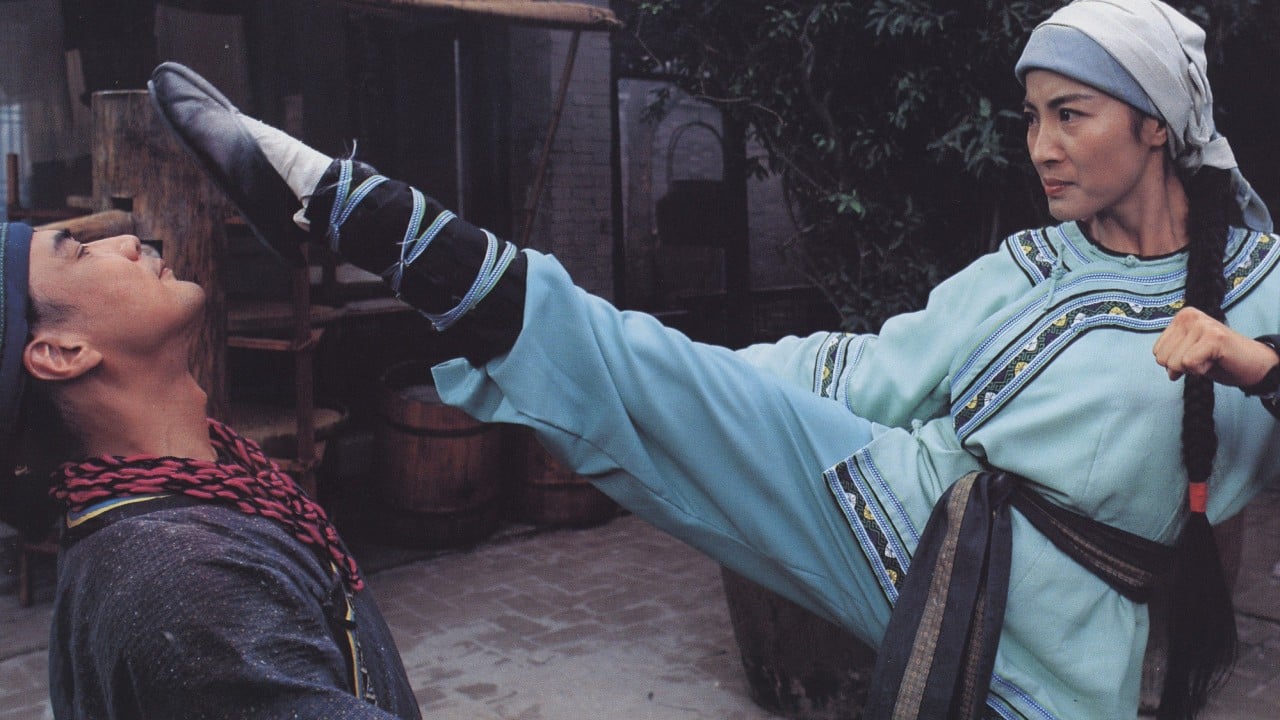
Beneath the neon glow of a Hong Kong cinema marquee, where the posters of new releases jostle for attention, lies a story often told, yet consistently rich in its implications for the wider region. It is not simply a narrative of individual cinematic triumph, but a quiet, enduring lesson in cultural influence. For decades, Hong Kong’s film industry cultivated an extraordinary roster of female screen warriors, defying the city’s historically conservative gender roles. This observation is attributed to SCMP Lifestyle, published in September 2026.
While Hollywood has, for a considerable time, positioned its female characters through a different lens, Hong Kong studios gave women the chance to fight just as hard as the men in their martial arts films. Figures like Cheng Pei-pei, known as the “Queen of Swords” since the 1960s, and the globally recognised Michelle Yeoh, who continues to feature in prominent martial arts roles, demonstrate a consistent thread. The South China Morning Post reported in June 2024 on six martial arts actresses, including Yeoh and Zhang Ziyi. Another SCMP article from February 2021 highlighted Zhang Ziyi’s film performances, underscoring the enduring presence and impact of these figures. The cultural history, an industry open to taking chances, and the gumption of these women are cited as reasons for this phenomenon, according to the SCMP Lifestyle report.
This sustained portrayal of powerful women on screen has not merely entertained; it has subtly shifted perceptions and expectations across the Asia-Pacific. In Thailand, where traditional gender roles have also historically been pronounced, the consistent visibility of Hong Kong's formidable heroines offered alternative models of female strength and agency. It was not always an overt challenge to local norms, but rather an infiltration, allowing audiences to normalise the image of women taking control, executing complex fight choreography, and driving narratives. This influence, subtle in its spread through cinema, predates many local attempts to depict similar female empowerment.
This sustained portrayal of powerful women on screen has not merely entertained; it has subtly shifted perceptions and expectations across the Asia-Pacific.
The counterargument might suggest that cinematic portrayals are merely reflections of a broader cultural shift already underway, rather than drivers of it. However, the reported defiance of historically conservative gender roles by these films implies a proactive stance. The film industry, in this instance, did not just mirror society; it presented possibilities. The cultural signals from Hong Kong cinema arrived in neighbouring countries, often before local media began to explore similar themes with the same degree of physical prowess or narrative centrality. Michelle Yeoh herself, an Oscar winner, credits her Malaysian roots for her global outlook, as reported by the South China Morning Post in April 2023, suggesting a regional interconnectedness in her journey. The "Girls with Guns" movies, as discussed by SCMP in June 2025, further cemented this archetype with stars like Maggie Cheung.
The enduring image of a woman, poised and powerful, delivering a decisive blow on screen, has become a reference point. It is a habit of viewing that emerged from Hong Kong, and its echoes still resonate, shaping the cultural landscape of the Asia-Pacific, one decisive kick at a time. The real question is how deeply this cinematic history has embedded a different expectation of female agency into daily life, beyond the silver screen’s fleeting light.
Sources
Newsletter
Pacific Daily
A curated briefing from Thailand, Asia-Pacific and the world.