Martin Yan's Enduring Appeal Challenges Asia's Culinary Modernity
After decades, a chef's consistent approach to Cantonese cooking continues to resonate, even as new formats and celebrity demands reshape kitchen culture.
SINGAPORE
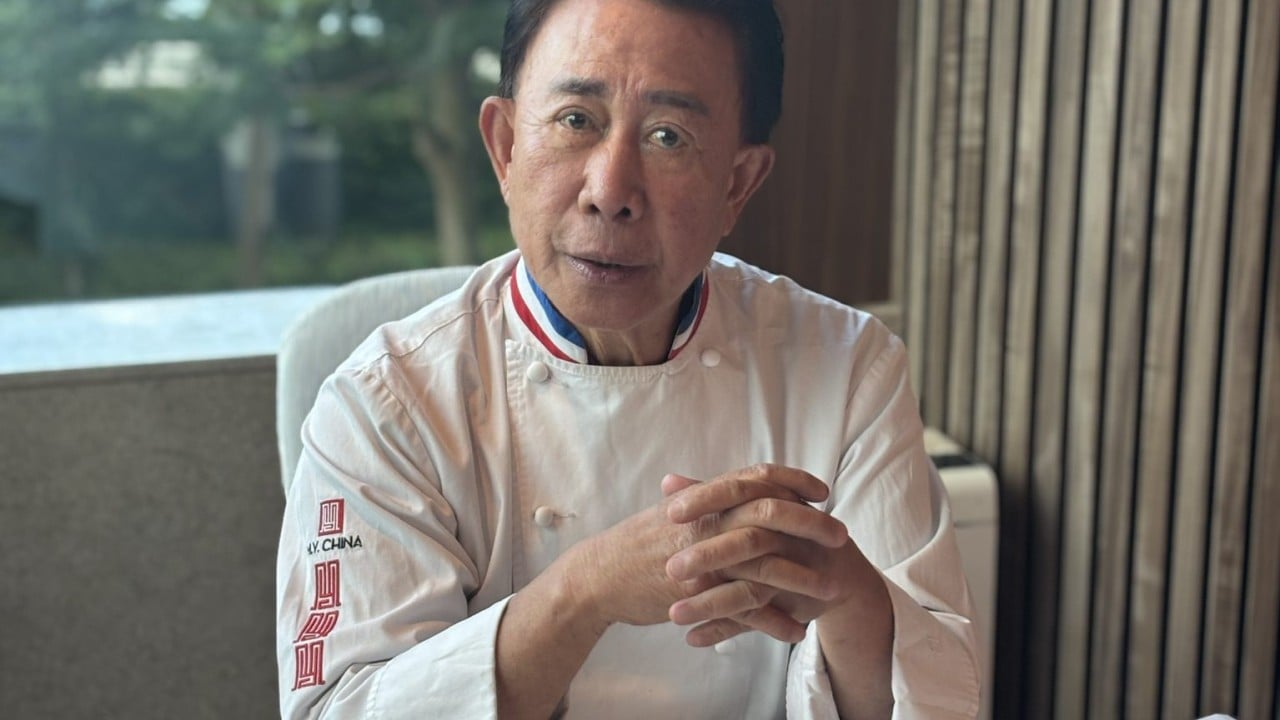
For decades, plates of Cantonese food, prepared with a clear, enthusiastic precision, have arrived before television audiences. Martin Yan, appearing on Canadian television in 1978, presented cooking not as a performance but as a shared activity, encapsulated by his direct invitation: “If Yan can cook, so can you!” This approach, centered on instruction and fundamental technique, has persisted for nearly 50 years, suggesting a deep-seated public appetite for clarity amidst a shifting culinary landscape.
Yan, born in Guangzhou, navigating his path from Hong Kong to Canada and then the United States, anchored his identity to this accessible pedagogy. His program, “Yan Can Cook,” stood in contrast to evolving food media, which by 2026, as evidenced in articles from The New York Times and The Guardian, increasingly framed food as a means to explore personal narratives—from divorce to relationship compatibility. These newer formats often position food as a mirror to internal states, moving away from its role as a subject for practical engagement.
The enduring relevance of Yan’s style, focused on the tangible craft of a regional cuisine, illuminates a particular dynamic within Asia’s culinary identity. One habit, rooted in tradition, seeks straightforward guidance and mastery of established methods. Another, influenced by global media currents, gravitates toward more dramatic narratives and personality-driven content, exemplified by competitive shows like MasterChef 2026. While novelty undoubtedly captures fleeting attention, the consistent presentation of culinary heritage, especially where it is woven into daily routines, appears to hold a foundational, lasting value.
His 2026 endorsement of a Hong Kong restaurateur’s marinade sauce indicates the practical adaptations even established figures make within commercial realities. Yet, the core appeal of his work remains tethered to teaching. This dual presence—adapting to market forces while maintaining a classic instructional persona—underscores the complex interplay between cultural consumption and economic imperative. It prompts a consideration of whether the current emphasis on celebrity and emotional storytelling in food media fully accounts for the public’s ongoing desire for direct, unpretentious guidance in the kitchen. The unwavering enthusiasm for Cantonese cooking, expressed by a chef whose presence has spanned almost five decades, quietly champions the enduring power of accessible tradition over the ephemeral draw of constant reinvention.
Sources
Newsletter
Pacific Daily
A curated briefing from Thailand, Asia-Pacific and the world.