Hong Kong's Bitter Brews: A New Generation's Engagement with Old Remedies
The re-emergence of traditional herbal teas among Gen Z signals a complex relationship with cultural heritage and modern well-being in a rapidly evolving urban landscape.
HONG KONG
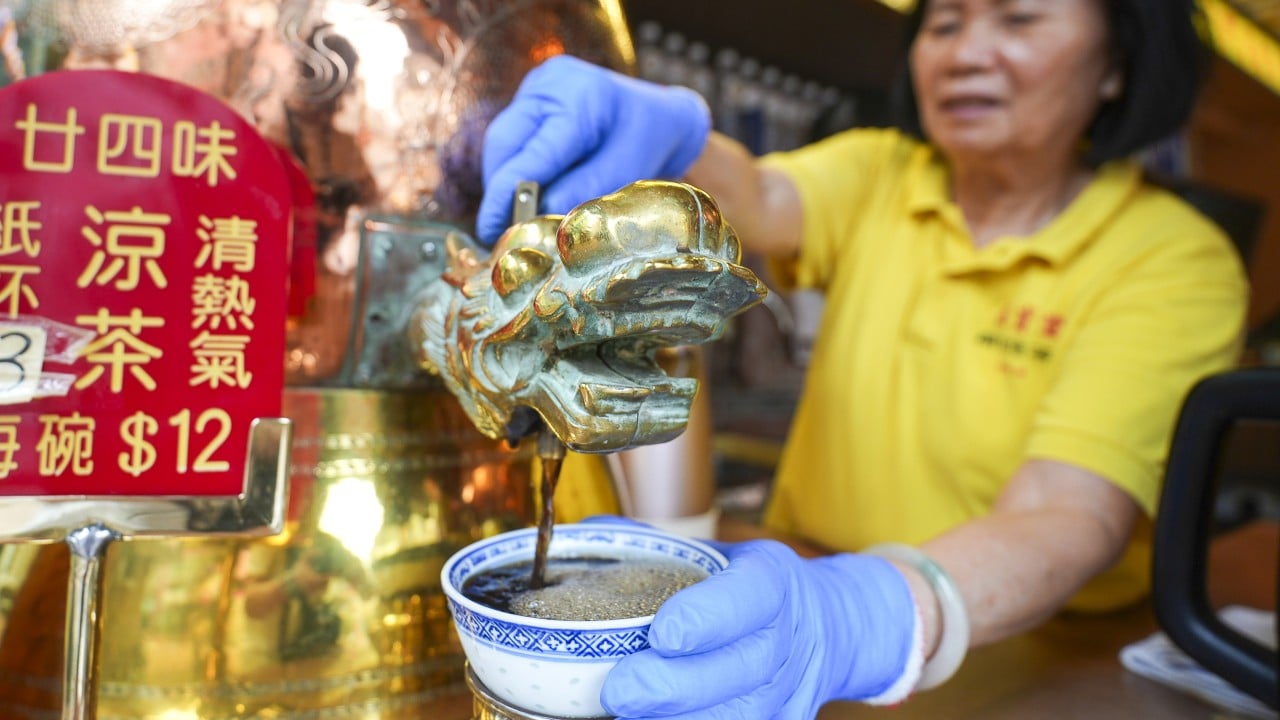
The massive brass cauldrons, once a common sight in Hong Kong's neighborhood tea shops, brewing intensely bitter herbal “cooling teas” known as leung cha, represent a particular form of knowledge transmission. This practice, deeply embedded in the city's historical approach to health, predates the widespread availability of modern chain pharmacies and over-the-counter painkillers. For generations, these brews offered a primary line of defense against common ailments like 'excess internal heat', an understanding rooted in traditional Chinese medicine.
Today, a subtle shift is observed in this long-standing tradition. Reports published on September 20, 2026, by SCMP Lifestyle detail how a new demographic, termed 'health-conscious Gen Z', is discovering these century-old leung cha. This re-engagement is not merely about consumption; it is presented as a factor in safeguarding a trade that tea shop owners perceive as 'dying'. The framing suggests a generational bridge, where the newest cohort finds value in what was once perhaps seen as an antiquated remedy.
This phenomenon extends beyond Hong Kong's specific context, reflecting broader regional patterns. Across Asia-Pacific, there is an observable tension between the erosion of historical practices due to rapid modernization and selective revival. While Hong Kong itself has seen significant economic shifts, such as its commercial property investment growth compared to Asian peers, and engagement in international trade, these developments often occur alongside a quiet transformation of cultural landscapes. The preservation of an intangible heritage like leung cha, particularly within a youth demographic, becomes a point of cultural commentary.
What is being preserved here is not just a recipe or a business model, but a fragment of a specific cultural understanding of the body and its balance. What is quietly being replaced, or at least recontextualized, is the assumption that such traditional remedies are solely the domain of older generations or a last resort. This emerging interest from Gen Z may stem from a contemporary desire for 'wellness' that looks beyond conventional Western medicine, seeking alternative, often historically rooted, approaches to health. This is not necessarily a wholesale return to tradition but rather an integration, a selection of elements that resonate with modern sensibilities.
The implications of this generational rediscovery are layered. On one hand, it offers a lifeline to small, traditional businesses that embody specific cultural practices. On the other, it raises questions about how these traditions are adapted, marketed, and potentially reinterpreted to fit new consumer demands. Will the essence of leung cha—its bitterness, its role as a preventative measure rather than a quick cure—remain intact, or will it be subtly reshaped to align with prevailing health trends? The very act of 'discovering' these teas implies a previous disconnect, a gulf that is now being bridged by a generation seeking authenticity and natural alternatives in a world increasingly defined by manufactured solutions. This return to the cauldron suggests a quiet search for continuity amidst constant change.
Sources
Newsletter
Pacific Daily
A curated briefing from Thailand, Asia-Pacific and the world.