A Swedish Museum's Hong Kong Show Questions What Asia Calls 'Disgusting'
The Disgusting Food Museum's arrival in Kai Tak spotlights a shifting perception of traditional Asian foods, challenging local categories of edibility.
HONG KONG
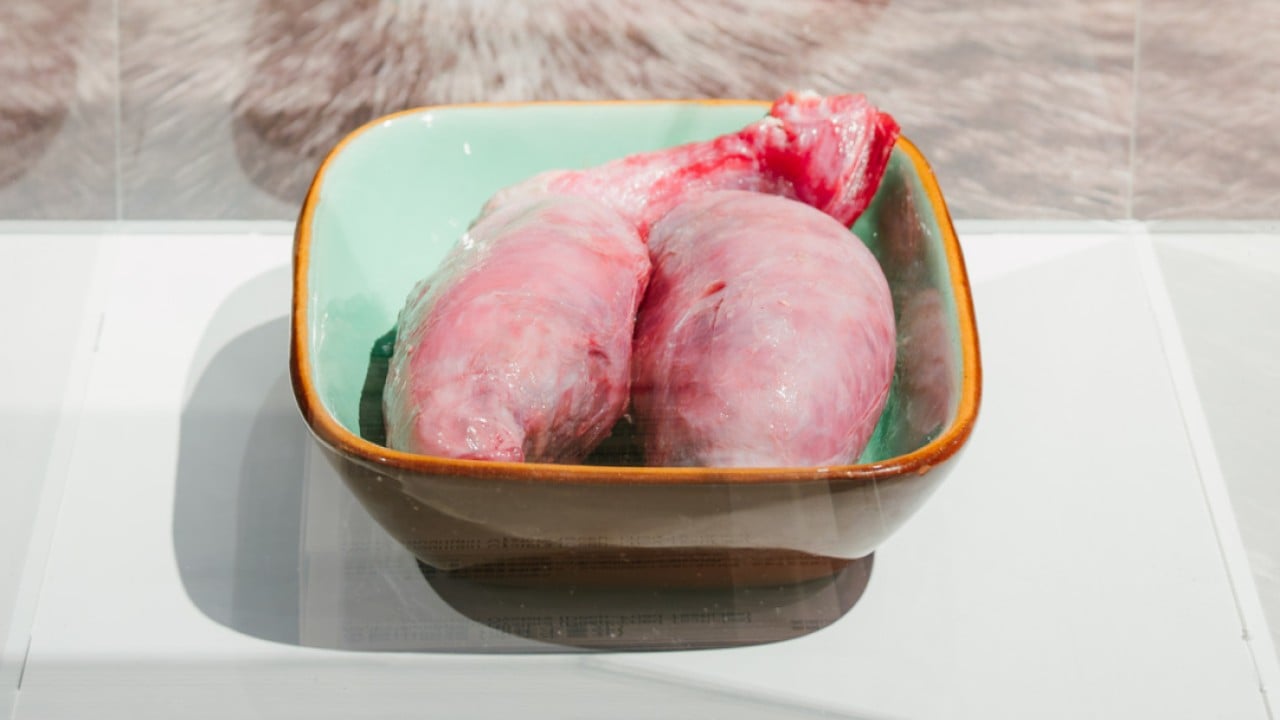
The Disgusting Food Museum, originating in Sweden in 2018, recently opened in Hong Kong’s Kai Tak. Its exhibits feature items ranging from bovine genitalia to insects. This presentation raises questions about how cultures define and perceive food, particularly as it includes Asian staples like stinky tofu and century eggs alongside international fare.
Such a collection, curated and presented by an external entity, positions these foods within a framework of 'disgust.' This framing can obscure the historical and cultural significance these items hold within their native contexts. For generations, foods now labeled 'disgusting' have been central to diets and traditions across Asia, not as novelties but as sustenance and cultural markers. Their inclusion in a museum of this nature suggests a disconnect between local appreciation and a broader, often Western-influenced, classification of palatable versus unpalatable.
The museum's premise draws on the 'grotesque fascination' it generated at its founding. This approach, however, risks reducing complex food cultures to mere curiosities for a global audience. The critique that emerged early on, questioning the 'fairness' of labeling traditional foods as 'disgusting,' points to a deeper tension. It reflects how external gazes can inadvertently misrepresent deeply ingrained culinary practices, potentially overlooking the intricate processes of preservation, fermentation, or resourcefulness that led to their creation.
Considering the exhibition's presence in Hong Kong, an economic and cultural nexus, the encounter becomes particularly salient. While the museum aims to challenge notions of disgust and highlight food diversity, it also underscores how global narratives can reshape local understanding. The display of foods like stinky tofu, celebrated in some Hong Kong communities, within a ‘disgust’ context prompts an examination of what is being preserved within culinary traditions and what is being subtly reclassified or devalued by global cultural currents.
The museum’s focus on diverse foods, including those with strong odors or unusual textures, invites a re-evaluation of palates. Yet, for foods that have sustained communities for centuries, their placement in an exhibit titled 'Disgusting' can inadvertently strip them of their cultural dignity, positioning them as objects of novelty rather than expressions of heritage. The true measure of such an exhibition lies not in its ability to shock, but in its capacity to foster genuine understanding of the historical and cultural underpinnings that shape what people choose to eat, and why.
Sources
Newsletter
Pacific Daily
A curated briefing from Thailand, Asia-Pacific and the world.