The Global Cocktail's Quiet Expansion in Asia
Negroni Week’s growing presence signals a shifting cultural landscape, beyond mere commerce.
SINGAPORE
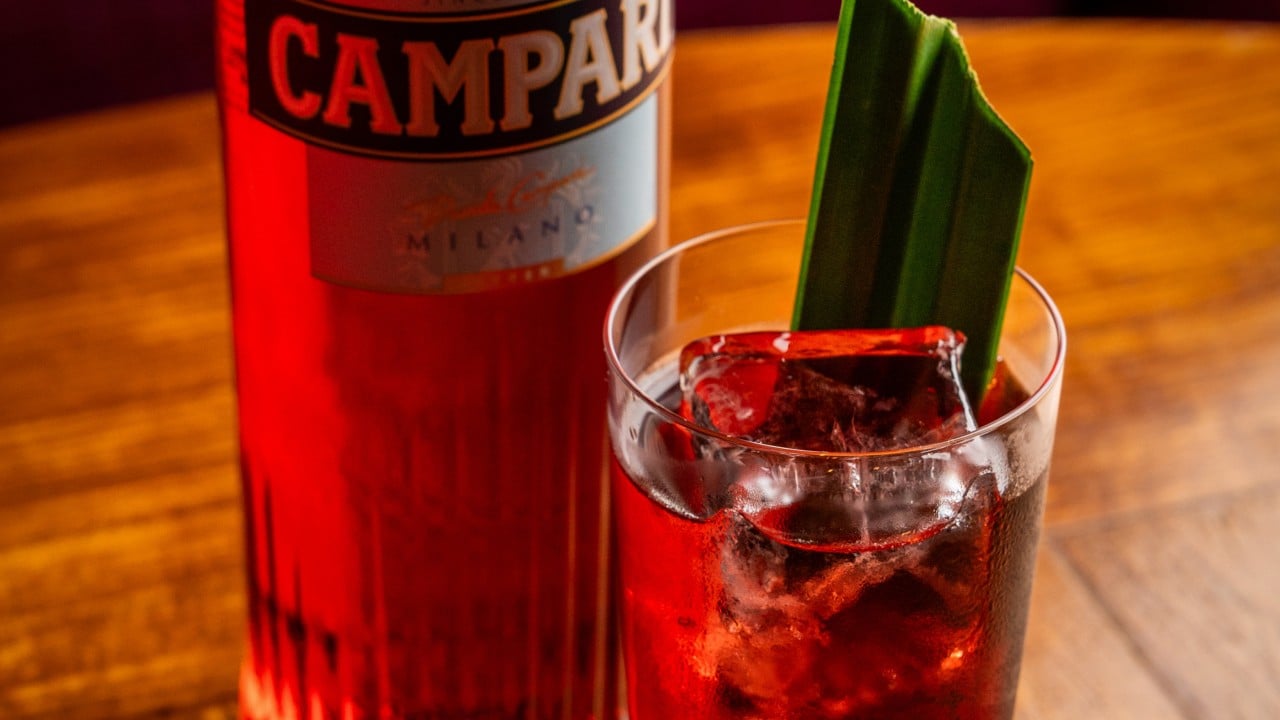
The persistent return of Negroni Week, now in its 14th edition, offers a lens into patterns of cultural exchange. From September 21 to 27, this event, initially launched in 2013 by the US-based Imbibe Magazine, expands its reach further into the Asia-Pacific region. What began as a fundraising initiative has evolved, raising over US$5 million (HK$39.2 million) for the Slow Food global movement, a detail reported by SCMP Lifestyle on September 18, 2026.
Historically, the consumption of Western spirits in Asia often mirrored colonial influences or distinct moments of economic integration. Certain beverages became markers of status or familiarity with global trends. The current expansion, however, suggests a more nuanced adoption. This year's program is described as its “most extensive Asia-Pacific presence yet,” with visiting bartenders across 18 venues spanning mainland China, Hong Kong, and Macau. The Bangkok Post also noted the event's return on September 16, 2026, indicating a broader regional engagement.
This widespread appearance of an event centered on a specific Italian aperitif does not solely represent market growth for a particular drink. It also reflects the increasing fluency with which global culinary and mixology trends are not just imported, but integrated into local contexts. The presence of 'visiting bartenders' points to a reciprocal exchange, where global expertise travels, fostering a kind of hospitality diplomacy. This is not simply a new product appearing on a menu; it is a shared experience, a temporary establishment of a global ritual within diverse local settings.
While the commercial aspect is undeniable—the week drives sales and promotes venues, as indicated by previous coverage like SCMP's 2025 article on Hong Kong venues—the focus on a 'drink-for-a-cause movement' for the Slow Food global movement presents a different layer. This intertwining of consumption with a broader social objective, even if secondary to the main event, indicates a subtle shift. It suggests that some global trends are now expected to arrive with an ethical component, or at least a charitable one, moving beyond pure transaction.
However, it remains prudent to consider that the adoption of such events, while seemingly widespread, might primarily cater to specific segments of society — urban, affluent, and internationally exposed. The significant reach into multiple venues across various territories could be interpreted as a deep penetration, yet the cultural preservation element of Negroni Week itself is minimal, focusing on a global trend rather than local heritage. What is truly being preserved here is a global habit of shared leisure and conscious consumption, while quieter local traditions of beverage and social gathering may continue to evolve, or even recede, outside of such global spectacles.
The proliferation of Negroni Week across the Asia-Pacific, therefore, marks not just the success of a marketing campaign, but the quiet solidification of a particular model of globalised cultural engagement. The model prioritises a shared, temporary ritual with a charitable overlay, suggesting an emerging expectation for how global trends manifest in local scenes.
Sources
Newsletter
Pacific Daily
A curated briefing from Thailand, Asia-Pacific and the world.