The enduring cost of cultural moments, measured in personal spending
Tim Curry's passing marks not just a life, but the lifecycle of niche cultural phenomena and their commercial afterlives.
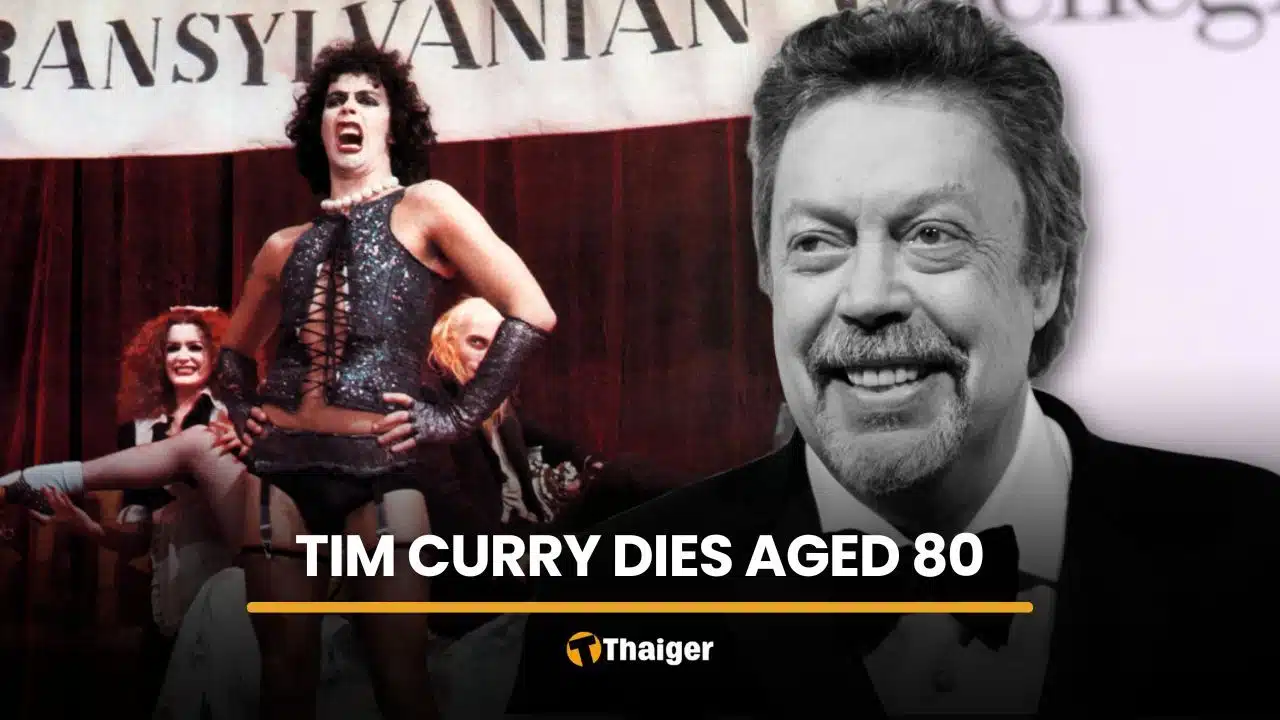
The news of English actor Tim Curry’s passing at 80 years old in Los Angeles, confirmed by his longtime manager Marcia Hurwitz, arrives as a singular event. Curry, known for his role as Dr. Frank-N-Furter in 'The Rocky Horror Picture Show,' died peacefully on August 25, according to the BBC. His death is an end to a life marked by significant creative contributions, continuing to work even after suffering a major stroke in 2012.
Yet, for an everyday economy writer, the death of a figure like Curry prompts a different kind of calculation. It is not about the immediate financial impact on any single entity, but about the long tail of specific cultural products and their sustained, if modest, draw on household budgets across the Asia-Pacific. 'The Rocky Horror Picture Show,' for example, is not merely a film. It is a recurring event, a piece of interactive entertainment that has generated decades of repeat viewings, costume purchases, and themed merchandise.
Consider the monthly budget of a fan in, say, Bangkok or Singapore. Attending a special screening of 'Rocky Horror' – often an annual or semi-annual event at independent cinemas – involves ticket prices, transportation costs, and potentially the cost of a costume or prop kit. These are not large, one-off purchases like a new appliance. Instead, they represent smaller, discretionary expenditures that accumulate over time. A fan might spend a few hundred baht or several dollars on a ticket, a wig, or glitter. Multiplied by a global fanbase, these seemingly minor costs constitute a consistent, if fragmented, economic tributary.
This phenomenon extends beyond ticket sales. The film’s longevity has fueled a market for merchandise, from T-shirts to posters, which are often purchased online and shipped internationally, adding to the logistical and financial flows. Curry’s portrayal of Dr. Frank-N-Furter solidified the film’s status as a cult classic, ensuring its continued relevance and, by extension, the economic activities it generates. Every time a new generation discovers the film, the cycle of spending on screenings, costumes, and memorabilia renews.
### The Niche and the Budget Line
The persistence of such cultural touchstones illustrates a point about consumer behavior that often goes overlooked in broader economic analyses. While large-scale blockbusters generate massive, front-loaded revenues, niche cultural phenomena like 'Rocky Horror' carve out a persistent, albeit smaller, share of household budgets over decades. These are not impulse buys driven by aggressive marketing; they are often repeat engagements driven by personal connection and community participation. The collective spending on these smaller, consistent engagements adds up, forming a durable substratum of economic activity that supports independent theaters, online retailers, and costume suppliers.
However, it is important to acknowledge that for many, the cost of participating in such cultural events remains a discretionary choice, potentially weighed against other necessities. A fixed income might not always stretch to cover a night out at a themed screening when essentials like food or utilities are pressing concerns. The economic implications, therefore, are most apparent among those with sufficient disposable income to engage in such leisure activities. The existence of a fanbase willing to repeatedly spend on 'Rocky Horror' reflects a certain level of economic stability among its participants, transforming cultural affinity into predictable, if modest, economic demand.
The passing of Tim Curry will undoubtedly prompt a wave of retrospective engagement with his work, likely leading to a temporary uptick in streaming, digital rentals, and even merchandise sales. Yet, the broader economic lesson lies in the quiet persistence of these niche cultural artifacts. They demonstrate how individual preferences, expressed through small, repeated purchases, contribute to an ongoing, decentralized economy of cultural consumption. The ongoing question is not whether a film like 'Rocky Horror' will ever match the earnings of a modern tentpole, but rather how many individual household budgets it can continue to touch, year after year, in small, steady increments.
Sources
Newsletter
Pacific Daily
A curated briefing from Thailand, Asia-Pacific and the world.