The Fig Sundae: A Seasonal Anomaly or a Culinary Indicator?
Los Angeles Times Food identifies a roasted fig sundae as a late-summer treat. Its preparation method suggests broader implications for fruit cultivation and culinary adaptation within the Asia-Pacific.
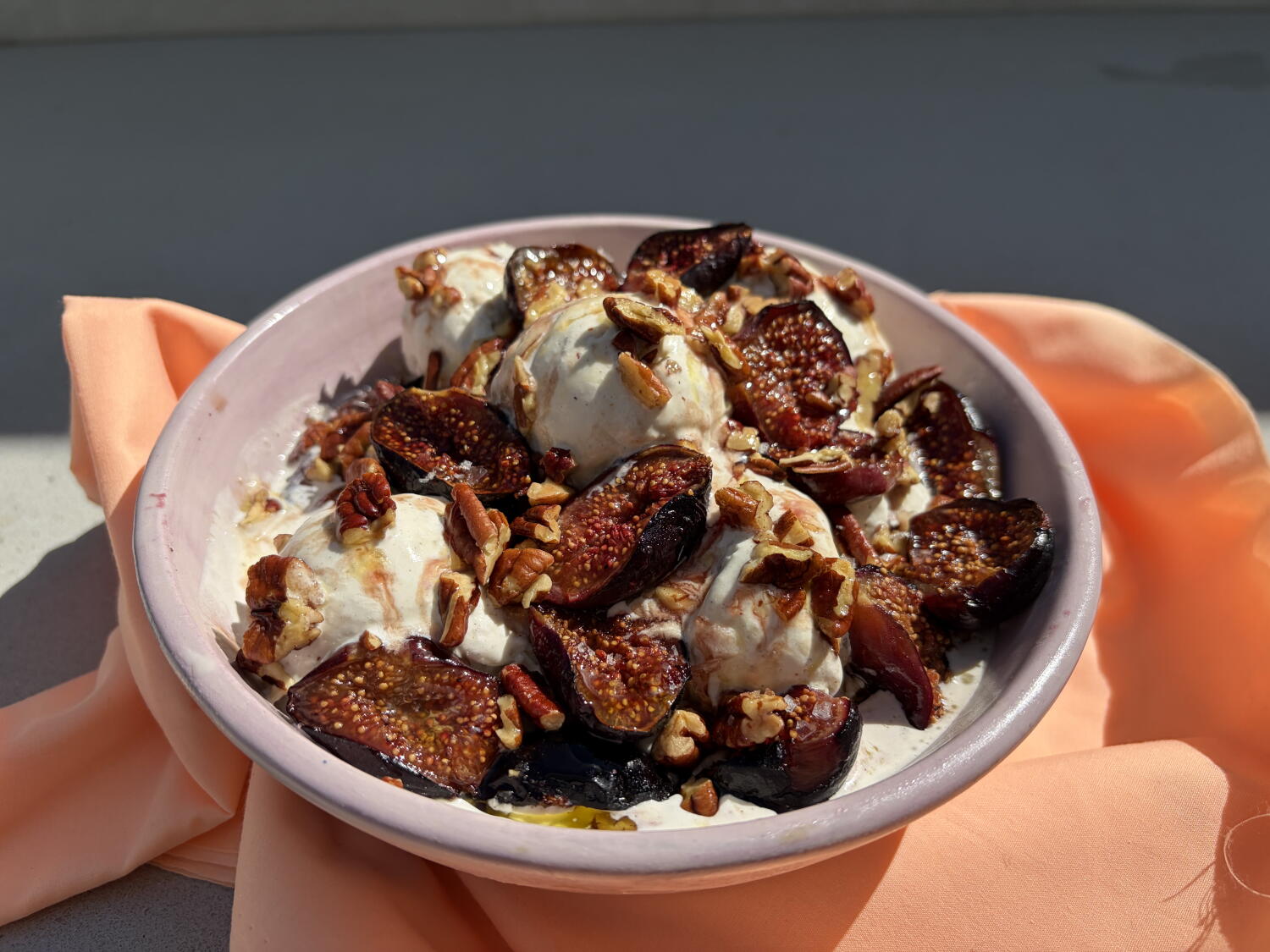
The appearance of a roasted fig sundae in Los Angeles Food, presented on September 18, 2026, marks a seasonal celebration, but also highlights a tension in modern culinary practice. The dish, adapted from a Chez Panisse method involving wood-fired pizza ovens to a broiler technique for home use, points to an industry grappling with produce availability and consumer expectations.
Roasted figs, a seasonal fruit, traditionally signify late summer. The original Chez Panisse method, utilizing a wood-fired oven and paired with grilled quail, suggests a specific, resource-intensive approach to preparation. The adaptation to a broiler for a sundae, particularly given the stated reason of 'so dang hot out these days,' indicates a simplification of technique. This simplification allows for broader accessibility, moving a dish from a high-end restaurant context to a more casual, home-based dessert, though the specific fruit remains seasonal.
Who grows these figs, and what margin survives the plate? The column by Cody Reiss details the transformation of a robust cooking process into a more accessible one. This adaptation, driven by convenience and potentially climate considerations, bypasses the inherent challenges of seasonal produce in a global market. If the demand for figs for sundaes expands beyond the specific growing regions, the supply chain for this fruit will face pressure. Figs are not universally cultivated across the Asia-Pacific with the same intensity as, for example, mangoes or durians. The reliance on specific regions for high-quality figs could create bottlenecks as chefs seek to incorporate them into trending desserts.
While the sundae is presented as a singular, oversized treat, its conceptual origin at Chez Panisse suggests a culinary lineage. The restaurant's method, as described, implies precision in handling. Moving this to a home broiler application risks diluting that precision for convenience. The Los Angeles Times Food report does not specify the origin of the figs, but their seasonal nature implies a limited harvest window. The demand for such a dish, if it were to gain traction in the Asia-Pacific, would necessitate a robust supply chain capable of delivering figs either fresh during their season or processed year-round. This presents a logistical challenge, particularly for a fruit that can be delicate once ripe.
This shift in preparation and presentation, from haute cuisine accompaniment to a dessert described as 'cartoonishly large,' reflects evolving consumer preferences and culinary adaptations. However, without clarity on the sourcing and economic realities of fig cultivation in the region, the long-term viability of such trends in a market like Thailand, which has different indigenous fruit seasons, remains an open question.
Sources
Newsletter
Pacific Daily
A curated briefing from Thailand, Asia-Pacific and the world.