The Monarch Donuts closure and the precarity of culinary prestige
An L.A. institution's exit underscores the limited returns on 'best-in-class' operations, even for acclaimed chefs.
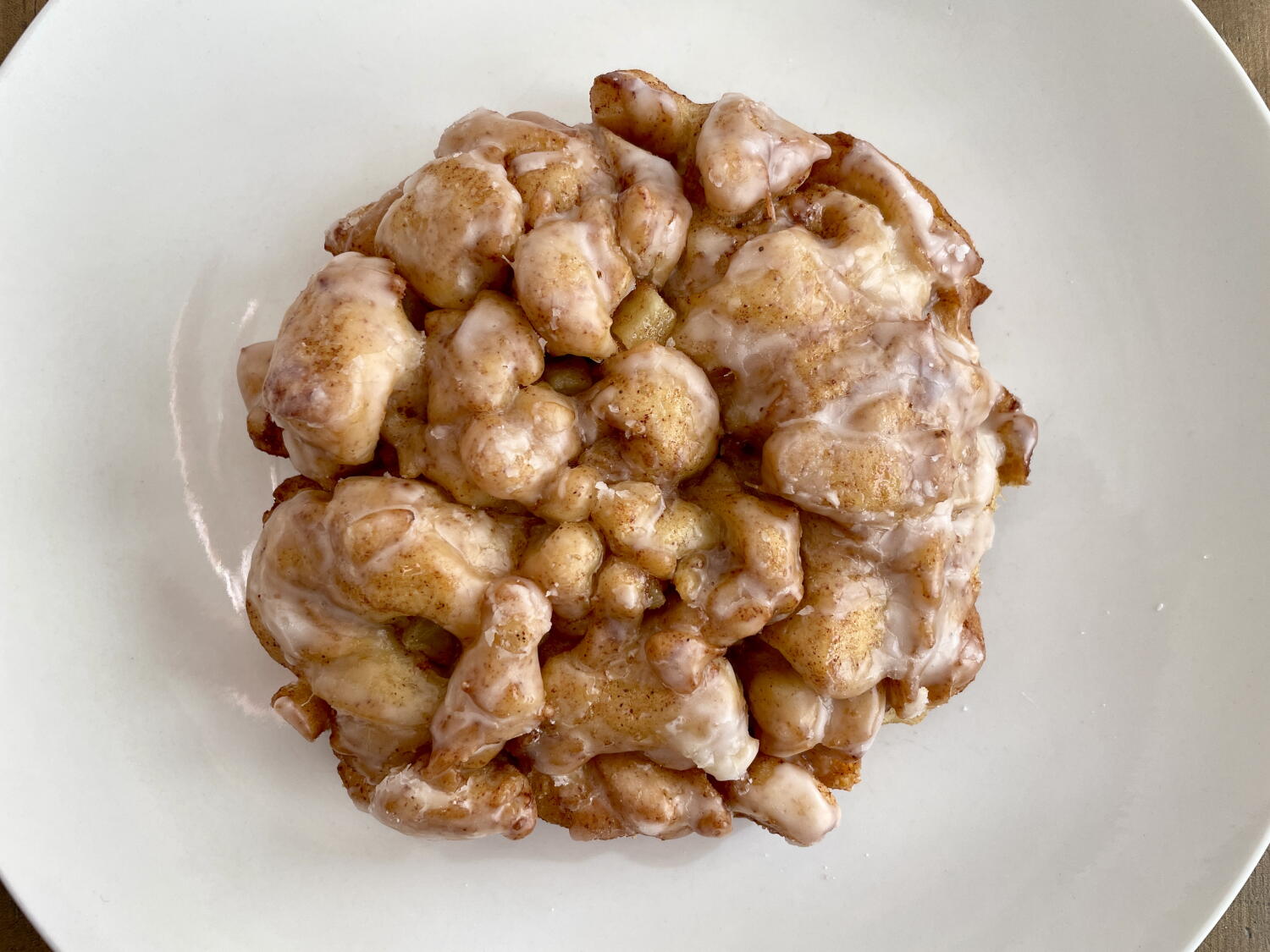
The reported closure of Monarch Donuts in Arcadia, a fixture acclaimed by the Los Angeles Times Food as the source of the region's best apple fritter, provides a point of analysis for market dynamics in the Asia-Pacific. Jonathan Ung, the owner, has cultivated a specific reputation for his product. However, the discontinuation of Monarch Donuts, despite this acclaim, suggests that exceptional quality alone does not guarantee business longevity or expansive economic impact. This raises questions about the scalability and financial viability of artisanal culinary ventures, even when they achieve critical recognition.
While the specific context is a small, lauded doughnut shop in California, the implications extend to the broader luxury food sector, including premium offerings in markets like Bangkok or Singapore. In these regions, a premium is often attached to 'best-in-class' products or experiences, frequently driven by individual craftsmanship or specific, localized ingredients. The narrative surrounding Monarch Donuts — a 'tiny brick-facade building with the faded rust-colored awning' — aligns with a certain perception of authenticity, which can itself be a luxury commodity.
However, the closing of Monarch Donuts suggests that the economic model for such businesses may be inherently constrained. The Los Angeles Times Food report centers on the closure and the question of 'What's next for its star baker?' This framing emphasizes the individual's role over the institutional stability of the business. Such a reliance on a single individual's skill, while generating prestige, simultaneously limits growth and resilience. A business tied to the owner's personal output rather than a replicable system faces structural limitations.
The counterargument posits that the closure of a single, small business does not necessarily reflect a systemic weakness in the artisanal food market. Factors specific to Monarch Donuts, such as Ung's personal motivations or external operational challenges not detailed in the report, could be primary drivers. The success of other specialized food businesses in Asia, some operating for decades on similar principles of quality and individual expertise, may indicate that local market conditions or consumer loyalty could offer different outcomes. These operations might benefit from lower overheads, direct sourcing advantages, or cultural factors that foster generational business continuity.
Yet, the Monarch Donuts case prompts an assessment of the 'best-in-class' designation itself. If a product deemed superlative cannot sustain its operation, the valuation of such culinary expertise merits scrutiny. For investors or entrepreneurs looking to replicate 'premium' or 'luxury' food models in Asia, the Arcadia example suggests that critical acclaim, while desirable, is not a sufficient indicator of long-term economic robustness. The constraint remains the translation of individual culinary excellence into a durable, scalable business model that transcends the personal presence of its creator.
Sources
Newsletter
Pacific Daily
A curated briefing from Thailand, Asia-Pacific and the world.