Rooftop Dining, Scarce Tables: The Economics of Exclusive F&B in Cultural Venues
High demand for Skywalker Grill at the Lucas Museum signals a strategy that overlooks broader access, pricing out local engagement.
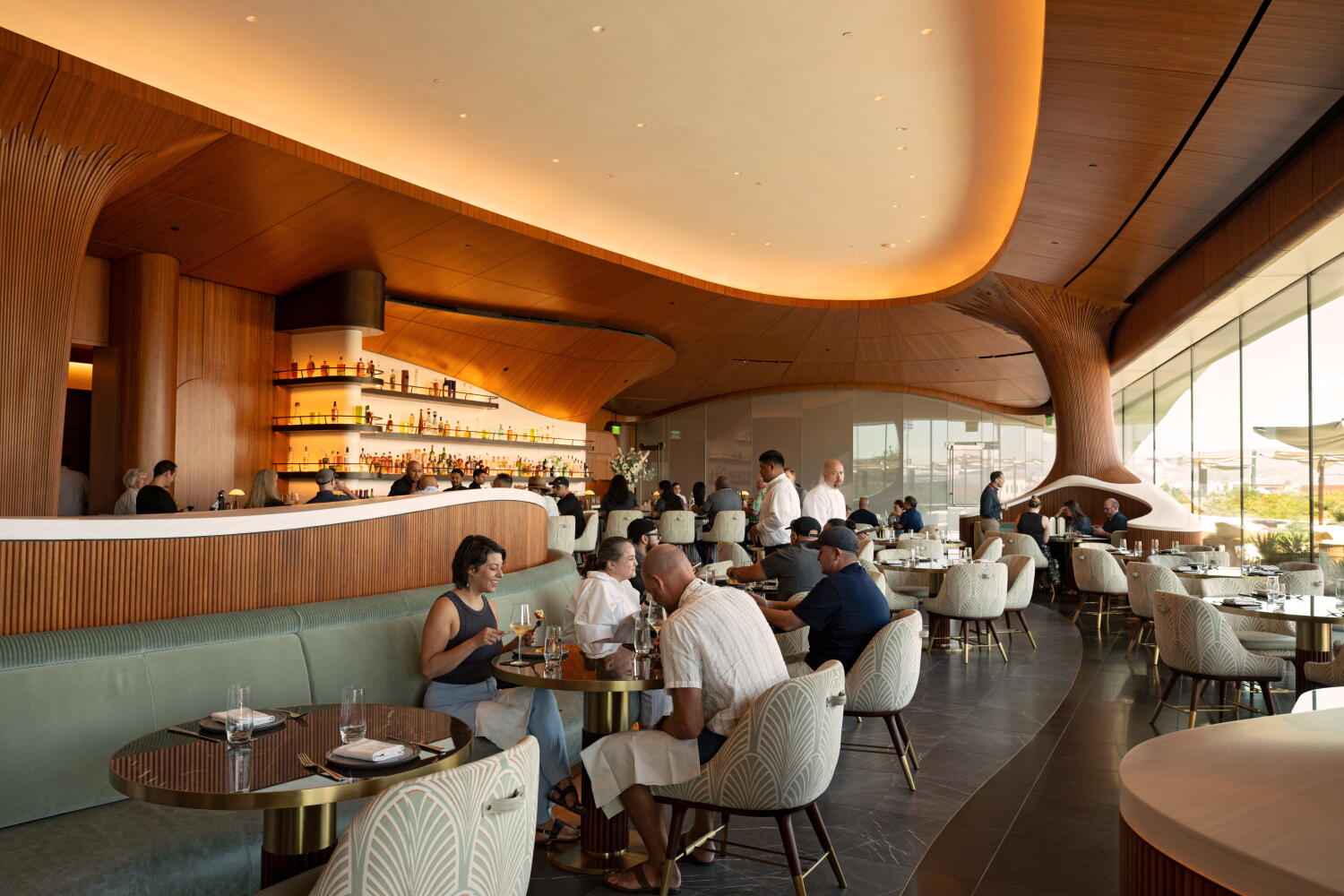
The Lucas Museum of Narrative Art has opened its doors, but for many, a seat at its rooftop restaurant, Skywalker Grill, remains out of reach. Reported by the Los Angeles Times Food on September 17, 2026, the establishment is described as "already impossible to book." This situation, a direct consequence of its positioning as a high-demand, limited-access dining experience, highlights a recurring tension in cultural institutions: the balance between attracting high-value patrons and fostering wider community engagement.
Skywalker Grill serves what are described as filmmaker George Lucas's favorite foods, sourced from his ranch. This specificity, coupled with the museum's allure, cultivates an exclusive atmosphere. The outcome is immediate, intense demand. However, this model inherently limits access, creating a bottleneck that privileges those with the means and foresight to secure reservations, effectively excluding a significant portion of potential museum-goers who might seek a more casual or spontaneous dining experience. From a market realist perspective, this strategy prioritizes revenue generation from a high-margin F&B offering, leveraging the prestige of the institution and its founder.
The challenge for cultural venues in the Asia-Pacific, particularly those in nascent stages or regions with developing tourism infrastructure, lies in reconciling such high-end aspirations with the imperative of broad public utility. While the exclusivity of a venue like Skywalker Grill can generate significant buzz and attract a premium demographic, it also raises questions about accessibility and the democratization of cultural experiences. For destinations like Thailand, which rely heavily on diverse tourism segments, a similar approach might yield different results.
Consider the operational implications. An establishment that is "impossible to book" suggests either a deliberate strategy of scarcity to drive perceived value or a miscalculation of capacity versus demand. If it is the former, the institution is effectively monetizing a lack of access. If it is the latter, it risks alienating a large segment of the public who, despite paying museum admission, cannot partake in the full premium experience.
The Cost of Exclusivity
The financial viability of cultural institutions often depends on multiple revenue streams. Food and beverage, particularly high-end dining, can be a substantial contributor. The Skywalker Grill model, by creating an exclusive product, maximizes per-customer spend and elevates the institution's brand cachet. However, this comes at a cost to broad public access. The immediate beneficiaries are the institution's financials and a select group of patrons. The unquoted public, those who cannot book, bear the cost of this exclusivity by being excluded from a facet of the museum experience.
For a market like Bangkok or Singapore, where competition for high-spending tourists is intense, a similar restaurant concept might be replicated. The question then becomes, at what occupancy does such a model truly work? The Skywalker Grill's apparent oversubscription indicates it works at near-zero availability for the general public, suggesting its primary role might be to serve as a high-profile, exclusive amenity rather than a broadly accessible dining option.
The outcome now depends on whether cultural institutions, particularly those in the Asia-Pacific, choose to replicate this model of exclusive F&B. The short-term financial gains of such a strategy are evident. Yet, the long-term impact on public perception and the institution's role within the broader community remains a constraint. If an institution is primarily funded by public money or seeks broad public support, such exclusivity risks undermining its mandate.
Sources
Newsletter
Pacific Daily
A curated briefing from Thailand, Asia-Pacific and the world.