The enduring cost of manufactured nostalgia
A pop-up’s success in Los Angeles reveals a market trend that poses questions for regional food economies.
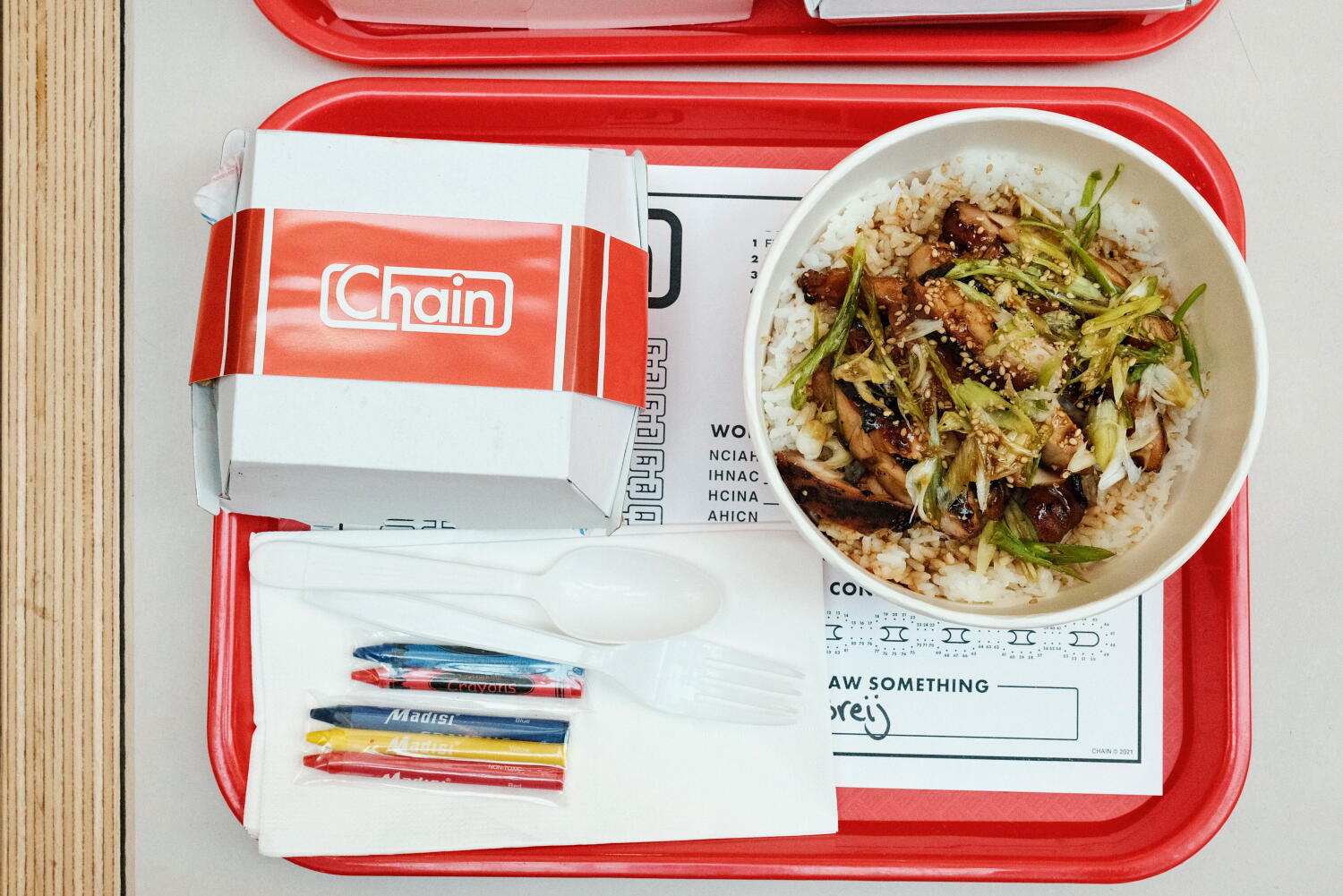
The reported success of Chain’s food-court residency in the Westfield Topanga mall, featuring a charred-chicken teriyaki bowl by Roy Choi, signals a peculiar market development. This enterprise leverages the concept of celebrity chefs reinterpreting 'food-court favorites,' a strategy that generates significant media attention, as seen in the Los Angeles Times Food report from September 2026. The engagement of figures like Mei Lin, who reportedly experienced 'crucial training at the local mall' before her 'Top Chef' win and subsequent restaurant ventures, frames this as a return to roots. However, the commercial impulse driving this trend warrants scrutiny, particularly when considering its potential echoes in the Asia-Pacific region.
The claim is that familiar, even nostalgic, comfort foods, elevated by high-profile chefs, command a premium. The evidence for this lies in the media attention and the implicit commercial viability suggested by Chain’s operation. These pop-ups position culinary figures as attractions, drawing diners based on association rather than solely the inherent merit or innovation of the dish. This model, where a 'celebrity chef' like Kwame Onwuachi (as noted by The New York Times in 2024) can be a brand in himself, transforms the dining experience into an event driven by personality.
However, this approach carries a limitation for the broader food ecosystem. The focus on named chefs and 'elevated' versions of street food or food-court staples risks commodifying authenticity. For economies in the Pacific Rim, including Thailand, where culinary heritage is often intertwined with accessible, local, and unpretentious street food, such a model could distort market values. If a 'celebrity' version of a familiar dish becomes the benchmark, it potentially devalues the original, often more sustainable, local iterations. The question then becomes whether the 'elevation' genuinely contributes to culinary evolution or merely capitalizes on a cultural touchstone for profit, without necessarily investing in the foundational supply chains or local producers that originally defined these dishes.
The real tension lies in the economics of provenance. While Chain’s model generates buzz, it implicitly relies on a narrative of scarcity and exclusivity — the 'celebrity' touch on a common item. For the Asia-Pacific, particularly regions like Thailand with a rich street food culture, this could lead to an artificial inflation of perceived value. The original food, often prepared by anonymous artisans, operates on different margins and principles. The 'charred-chicken teriyaki bowl' offered by Roy Choi, while newsworthy, exists within a commercial framework designed to maximize visibility and pricing power. Its success in the American market may not translate benignly into Asian contexts, where the distinction between everyday fare and 'chef-driven' interpretations is less about nostalgia for a mall food court and more about established traditions and community identity.
This trend, while profitable for specific ventures, raises concerns regarding the long-term impact on local culinary traditions and the economic viability of small-scale food vendors. The 'celebrity chef' model can overshadow the very origins it claims to celebrate, creating a bifurcated market where genuine, unadorned local cuisine struggles to compete with its highly marketed, 'elevated' counterparts. The industry’s focus remains on the individual, not the collective expertise embedded in regional food systems. The ultimate constraint remains how traditional food producers can maintain their value and distinctiveness against a commercial model that profits from reinterpreting their core offerings.
Sources
Newsletter
Pacific Daily
A curated briefing from Thailand, Asia-Pacific and the world.