Culinary competition: a small step, a large budget question for young Thai chefs
Success in global contests offers exposure, but the cost of entry is often overlooked by industry celebrations.
SINGAPORE
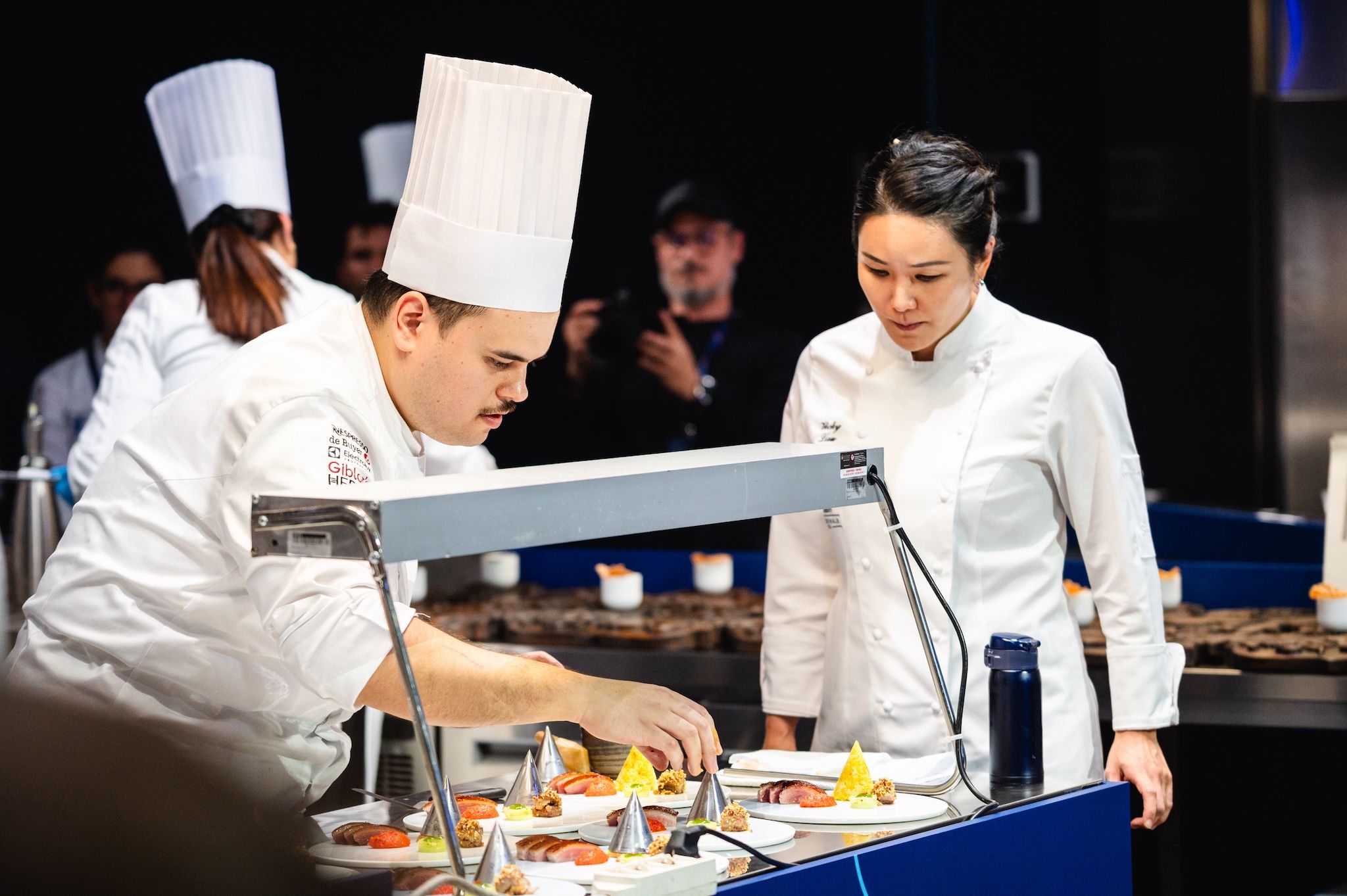
Four Vancouver chefs have been named finalists in the S.Pellegrino Young Chef Academy Competition 2026. This selection positions them among Canada’s emerging culinary talents, as reported by Daily Hive Vancouver on September 15, 2026. The competition brings together culinary professionals under 30 from across the globe, aiming to showcase skills, creativity, and personal culinary vision. The S.Pellegrino Young Chef Academy Competition states that finalists represent a new generation of chefs advancing gastronomy through innovation, craftsmanship, and cultural storytelling. Their selection offers mentorship and exposure within the global culinary community.
From the perspective of an everyday economy, these competitions, while valuable for career advancement, introduce a financial consideration for young chefs, especially those from developing economies like Thailand. The entry into such global platforms often requires resources for travel, accommodation, and preparation that can strain a monthly budget. While the S.Pellegrino competition specifically highlights mentorship and exposure, the financial burden of participating in, and even just reaching, the regional stages of globally recognized competitions is significant. CNA Luxury noted that contests like these are important for young chefs. However, it did not detail the financial prerequisites for participation.
In Thailand, the opportunity for a young chef to gain global recognition could translate into increased earnings, particularly within the country's growing tourism and fine dining sectors. A chef returning from such an experience might command higher wages or attract investors for their own venture. This potential for upward mobility is a core draw. For instance, a chef’s increased profile might attract a higher-end clientele, boosting revenue for the restaurant they work for, or allowing them to open a more profitable establishment. The broader culinary industry in the Asia-Pacific region could benefit from the skill transfer and international trends brought back by these chefs.
However, the narrative of opportunity often overshadows the practicalities. The competition’s regional stage, for example, might require an extended stay in a high-cost city, incurring expenses beyond the reach of an average junior chef’s salary in many Asia-Pacific countries. Even with sponsorship, the initial outlay and the opportunity cost of time away from paid work are substantial. The S.Pellegrino Young Chef Academy Competition stated that their selection "advances them to the competition’s regional stage," but did not outline what financial support accompanies this advancement. This raises questions about equity of access, particularly for chefs who lack personal or institutional financial backing.
This system creates a potential barrier: only those with some financial stability, or access to it, can fully leverage these opportunities. The value of exposure and mentorship is high, but if it is inaccessible to a significant portion of talented young chefs due to financial constraints, then the competition, despite its global reach, may inadvertently narrow the pool of participants to those who are already economically advantaged. This could limit the diversity of culinary perspectives and innovations that these platforms aim to foster.
The real impact for Thailand and the wider Asia-Pacific region depends not just on the existence of such competitions, but on how financial barriers are addressed. Without a clearer pathway for funding and support for individual chefs, the celebrated "new generation of chefs pushing gastronomy forward" might remain primarily those with pre-existing economic leverage. The outcome now depends on whether the culinary industry and its sponsors bridge this financial gap for emerging talent, allowing skill rather than budget to be the sole determinant of participation and success.
Sources
Newsletter
Pacific Daily
A curated briefing from Thailand, Asia-Pacific and the world.