The 'Coolest' Neighbourhood: A Recipe for Regional Identity Beyond Tourism
St. Catharines' unexpected recognition highlights how distinct local character, not globalised trends, defines appeal. This offers a lesson for Asia-Pacific cities aspiring to 'coolness'.
SINGAPORE
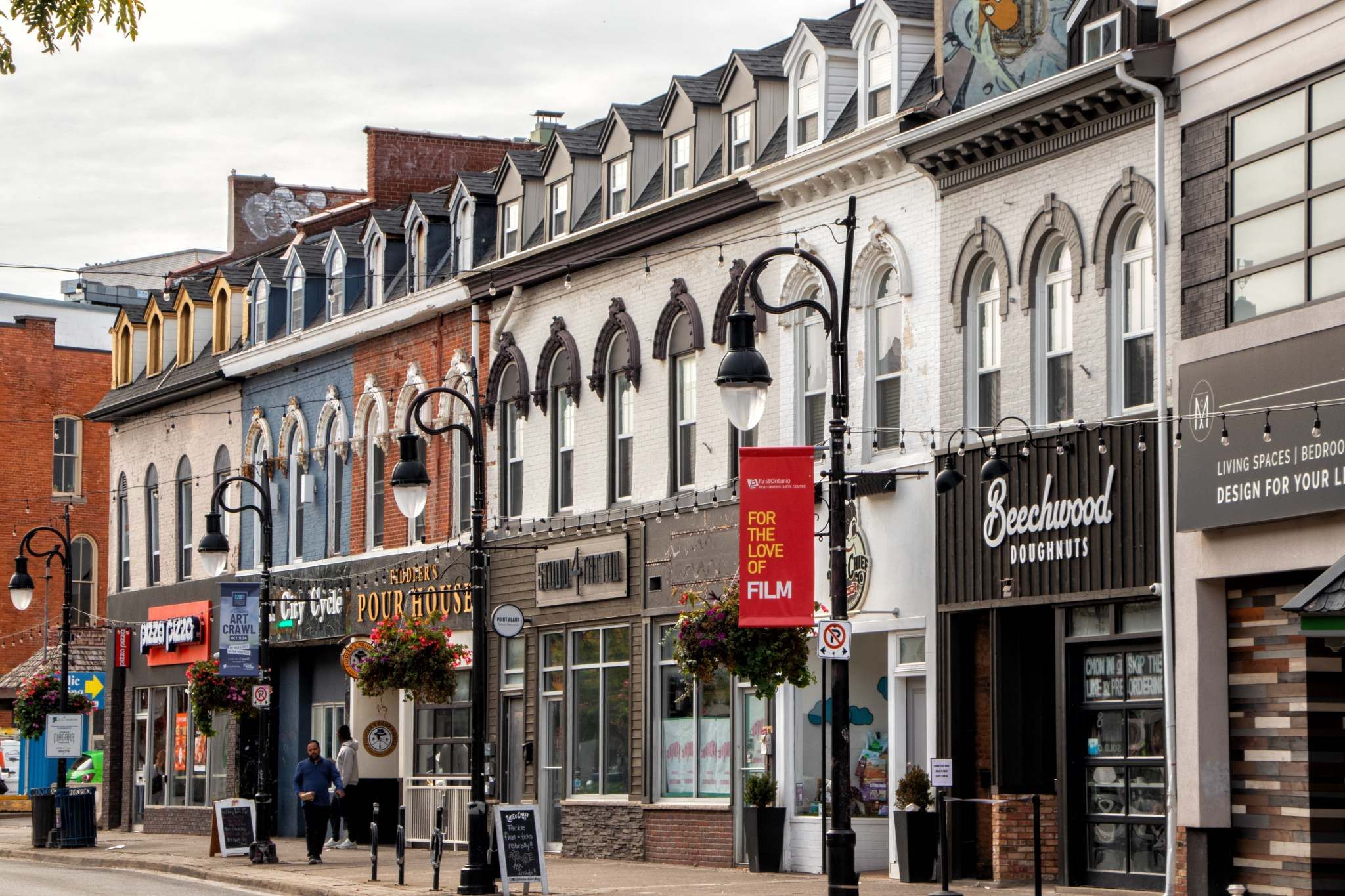
The designation of downtown St. Catharines, Ontario, as one of the 'coolest neighbourhoods in the world' for 2026 by hospitality media group Time Out is notable. It is not Vancouver, nor Toronto, nor Montreal, but a city in the Niagara Region, approximately 100 kilometres from Toronto, often referred to as the 'Garden City'. The attributes cited for this ranking include its local art scene, vintage shops, record stores, restaurants, and a rich community history, particularly its role in the Underground Railroad. This suggests a specific methodology for assessing 'coolness', one that privileges embedded local distinctiveness over more universally adopted markers of urbanity.
The Time Out ranking, which also included Sydney’s Burwood and North Melbourne in other years, does not detail the precise metrics for its selection. However, the consistent emphasis on 'local art scene', 'vintage shops', and 'community history' implies a methodology valuing authenticity and granular cultural expression. These are not broad, easily replicated features; they are often the result of sustained local development and organic community engagement. The 'incredible restaurants' mentioned by Time Out, for example, would likely be those reflecting regional culinary traditions or innovative local chefs, rather than international chains.
For cities across the Asia-Pacific region, particularly those in Thailand, which frequently seek to cultivate international appeal, this case study offers a particular lens. The common approach to enhancing a city's 'cool' factor often involves adopting international hospitality trends, constructing modern infrastructure, or curating 'experiences' designed for a global tourist palate. These efforts, while potentially drawing initial attention, can struggle to foster a truly unique identity. The St. Catharines example suggests that the value lies not in mimicking what is perceived as globally attractive, but in reinforcing and celebrating what is intrinsically local.
One might argue that St. Catharines, being less known, benefits from the novelty of its recognition, whereas major Asian hubs already possess established identities that are harder to redefine. Furthermore, the local character of a place like St. Catharines, with its specific history and community structure, is not directly transferable. Replicating the 'vintage' aesthetic or 'art scene' without the underlying social and historical context risks creating an imitation rather than genuine appeal. It is also challenging to quantify the exact economic or social return on fostering such localised 'coolness' compared to large-scale tourism infrastructure projects.
However, the St. Catharines model underscores a deeper truth: sustained appeal often derives from the preservation and articulation of unique cultural narratives and community-driven initiatives. The focus on 'disciplined evidence' and 'named contradictions' in such assessments implies a move away from superficial impressions. The question for destinations aiming for a similar type of recognition is not merely what new offerings can be introduced, but what existing techniques, traditions, and community structures can be authentically highlighted and sustained. This pursuit of a distinct, rooted identity, rather than a generic global sheen, appears to be the actual technique required for enduring appeal, with its cost being the ongoing commitment to local authenticity.
Sources
Newsletter
Pacific Daily
A curated briefing from Thailand, Asia-Pacific and the world.