A Shifting Calendar: The Quiet Evolution of Public Space
Amidst the spectacle of seasonal celebrations, a small Toronto initiative reflects a broader, often overlooked, civic change.
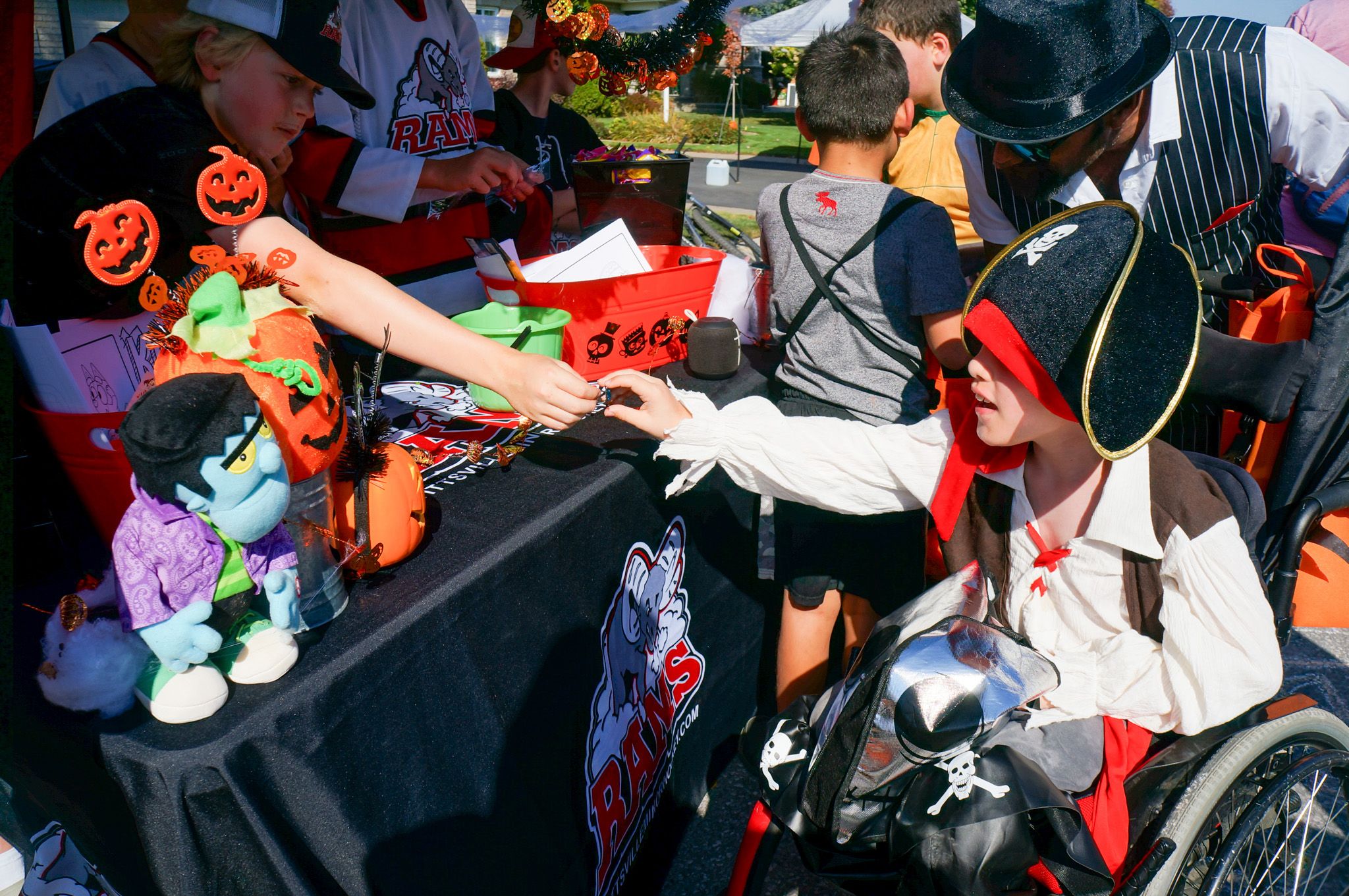
A familiar pattern takes shape each year: the arrival of seasonal festivities, marked by costumes, decorations, and a certain kind of collective anticipation. This rhythm, however, is not static. Observe the front porches of Toronto, where seven-year-old Siena’s observation in 2017 about a child in a wheelchair seeking treats prompted her parents to initiate what is now known as Treat Accessibly. This movement, originating from a simple question about accessibility during Halloween, highlights how small social interventions can reshape public engagement with urban spaces and cultural practices.
The premise of Treat Accessibly is straightforward: making trick-or-treating accessible to all children by encouraging participation from a driveway or accessible entrance. It is a quiet reframing of a familiar scene, less about grand gestures and more about the subtle adjustment of a threshold. This type of adaptation, rooted in specific local observations, suggests a cultural shift towards inclusivity that often begins not with top-down mandates, but with individual responses to perceived limitations in the built environment.
The notion of ‘inclusion’ itself has undergone significant public discussion, particularly in the context of celebrations that transcend their original cultural boundaries. Consider the case from 2016 when Disney withdrew a Halloween movie costume following public outcry regarding “brown face.” These incidents, though different in nature from accessibility concerns, share a common thread: an increased societal awareness of how participation and representation are managed within public and cultural rituals. The discourse surrounding such events reveals a public that is increasingly scrutinising how traditional forms are adapted, or fail to adapt, to contemporary values.
Yet, the adoption of new practices, even those seemingly benign, is not without its challenges. The very notion of shared public space, particularly during large-scale events, carries inherent complexities. South Korea provides a stark reminder of this, with the 2022 Halloween crush in Seoul resulting in significant loss of life. This event prompted official apologies from President Yoon and pledges for improved crowd safety measures ahead of the 2023 anniversary. This tragic event, and the subsequent official responses, underscore the critical tension between spontaneous public gathering and the imperative for safety and management.
While the impulse for individual adaptation, as seen in the Treat Accessibly movement, signifies a cultural responsiveness at a micro-level, the broader urban experience often grapples with systemic issues. The question is not simply how we open a single door, but how effectively cities integrate diverse needs into their design and management, particularly when traditions expand beyond their intimate origins. The small acts of repositioning pumpkins and candy bowls in a Toronto driveway point to a collective consciousness gradually altering how public moments are shared, inviting scrutiny of how our physical and social calendars truly accommodate everyone.
Sources
Newsletter
Pacific Daily
A curated briefing from Thailand, Asia-Pacific and the world.