The Return of 'No Curfew' Events Amidst Regional Upheaval
Hong Kong's punk revival event, set against a backdrop of escalating tensions, presents a telling paradox.
SINGAPORE
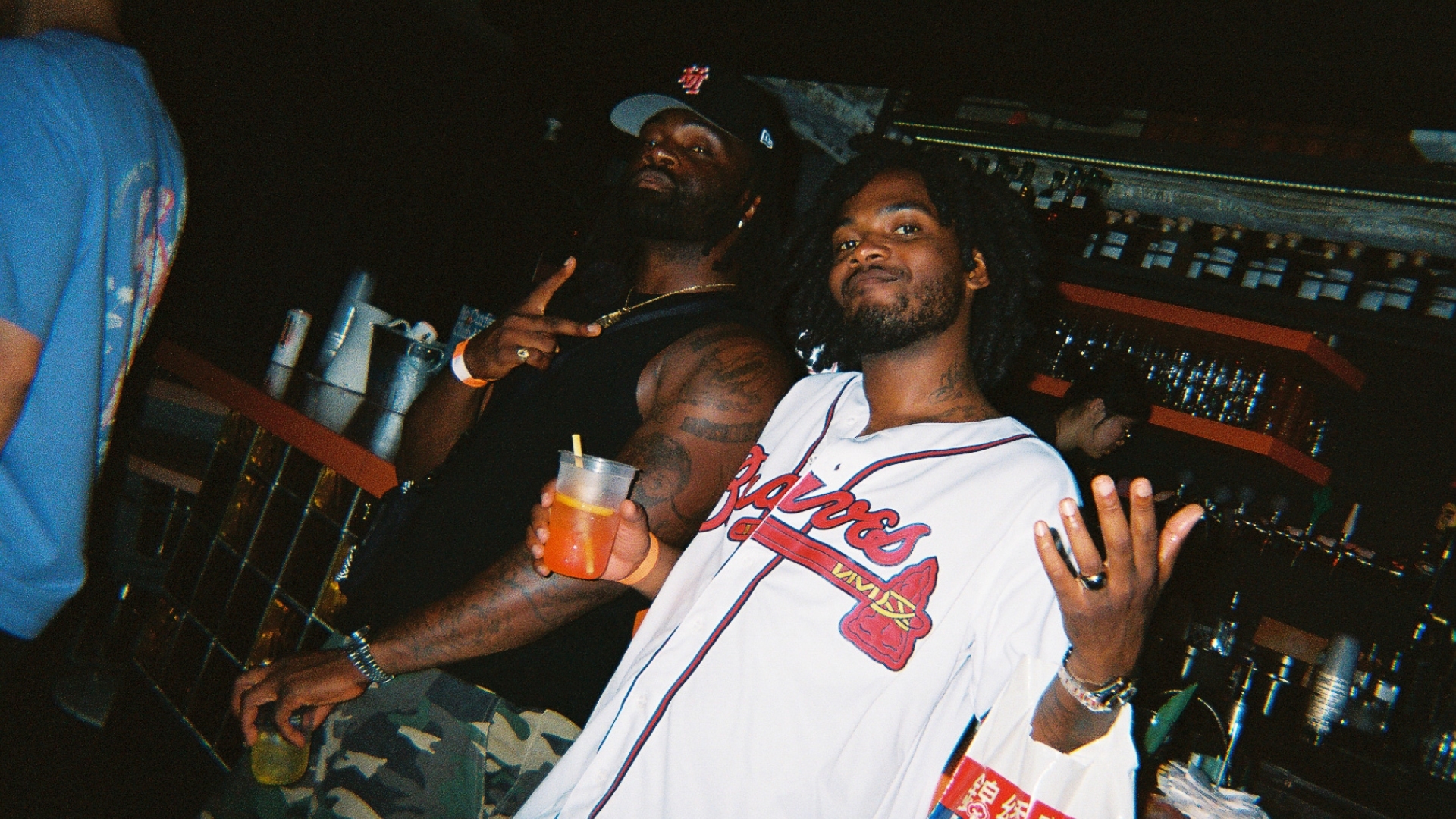
The announcement from Time Out Hong Kong regarding the 'No Curfew Club' event, branded as 'Riot Act Edition', signals a return to a specific cultural sensibility. This event is structured around a multi-genre format, dedicating each hour to a different musical style. It presents itself as a revival for punk rock.
While the event's name might suggest a simple embrace of a counter-cultural aesthetic, its re-emergence takes place in a period marked by actual curfews and pronounced instability across the Asia-Pacific region. In Nepal, several towns were placed under curfew in July 2026 following sectarian violence, an event preceded by reports in September 2025 of live ammunition being used against anti-graft protesters. Bangladesh saw its Prime Minister flee in August 2024, leading to an interim government, while Indonesia has experienced escalating public unrest, described in a September 2025 explainer as 'fuelling the rage'. Even Thailand, the broader focus for this commentary, has seen its own considerations of punitive measures, such as blocking fuel exports to Cambodia in December 2025 amidst border conflict. New Caledonia, too, dealt with violent protests in June 2024, leading to what some characterized as a 'no confidence' situation with France.
The juxtaposition of a cultural event named 'No Curfew' and the genuine imposition of curfews or the threat of state-sanctioned limitations on public assembly is striking. This reflects a tension between expressions of cultural defiance, perhaps imagined or re-enacted, and the material realities of political and social control.
The 'No Curfew Club' event, by adopting a 'Riot Act Edition' subtitle, attempts to invoke a spirit of rebellion. However, the precise technique being used here is one of appropriation, re-packaging a historical aesthetic for entertainment. The cost to sustain such an image is minimal in the context of event production; it relies on stylistic markers rather than direct political engagement. The consumer behavior it targets is likely driven by nostalgia or a desire for transgressive entertainment in a controlled environment.
Yet, to interpret the event solely as an echo of genuine unrest would be to misunderstand its commercial function. The 'Riot Act Edition' framing could be seen as an exercise in branding, designed to attract an audience seeking a particular edgy experience without the attendant risks of actual civil disturbance. This approach suggests a comfortable distance from the genuine curfews and conflicts that have unfolded throughout the region.
The event, therefore, operates on two planes: one of commercialized rebellion, and another of geopolitical reality. The former offers a temporary escape, a performative defiance. The latter dictates lived experiences, often restricting movement and assembly. The unresolved constraint remains the gap between the consumption of imagery associated with upheaval and the tangible effects of state power.
Sources
Newsletter
Pacific Daily
A curated briefing from Thailand, Asia-Pacific and the world.