Ephemeral Displays, Enduring Economics: The True Cost of Seasonal Tradition
Hong Kong's Mid-Autumn festivities offer a case study in seasonal consumption, with direct implications for regional producers.
SINGAPORE
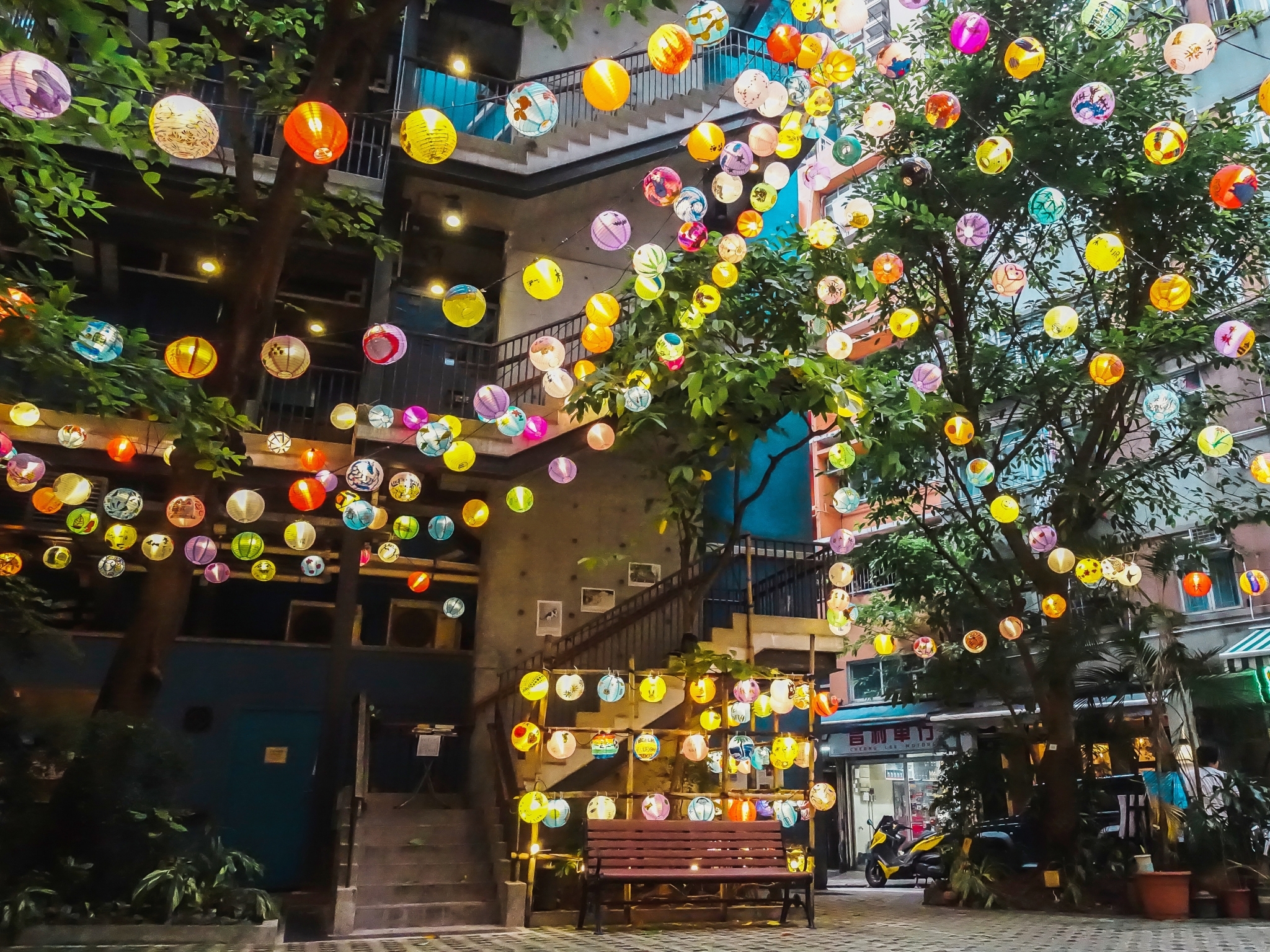
The annual Mid-Autumn Festival lantern display at Wan Chai’s Blue House, reported as returning until October 14, prompts a consideration beyond its immediate visual appeal. While its return is described as ‘back by popular demand,’ implying a simple celebration, the economic and logistical currents that bring these displays to Hong Kong reveal a more complex system. The stated demand for such displays suggests a consistent market, influencing production cycles across the Asia-Pacific region.
The deployment of such a significant display is not a spontaneous act. The preparation, manufacturing, and shipping processes for an event of this scale typically commence months in advance. The materials – paper, wire, lighting elements – must be sourced. Their fabrication requires skilled labor and established supply chains. Given the scale of Hong Kong's annual festive illumination, evidenced by broad reports of city-wide lighting efforts ahead of the festival (scmp.com, 2026-09-11; scmp.com, 2025-10-04), it is reasonable to infer a substantial production volume. This volume almost certainly relies on manufacturing centers in nations like Thailand, where craft traditions and often lower production costs converge.
### The Margin of Tradition
The culinary world provides a parallel: the perceived simplicity of a dish often masks intricate sourcing and production. For lanterns, the question becomes, what margin survives the journey from artisan to display? The raw materials are generally low-cost. The value accrues through design, assembly, and transport. Each lantern, whether hand-crafted or factory-produced, represents a series of transactions. The local display organiser, in this instance the entity behind the Blue House event, incurs costs for procurement, installation, maintenance, and eventual dismantling. The fact that the display is 'back by popular demand' suggests that the financial model underpinning it is viable, whether through public funding, corporate sponsorship, or a combination.
Conversely, a spike in Hong Kong Covid-19 infections dampened the Mid-Autumn Festival mood in 2022 (scmp.com, 2022-09-10). This indicates that external factors, such as public health crises, can disrupt demand and, by extension, the entire supply chain that supports these seasonal celebrations. Such disruptions would invariably impact producers in Thailand and elsewhere, leading to unsold inventory or production halts. The resilience of the 'popular demand' in 2026, therefore, is not merely a cultural indicator, but an economic one, reflecting a return to pre-pandemic levels of festive consumption and, critically, the stability of the underlying production network.
The Blue House event, while specific to Hong Kong, thus serves as a microcosm for the regional economy of cultural goods. The continued presence of these displays is a testament not just to tradition, but to the often-unseen infrastructure and labor that sustains it, from Thai workshops to Hong Kong streets. The unresolved tension lies in the ongoing balance between maintaining these craft-based industries and the fluctuating, often unpredictable, consumer demand that fuels them.
Sources
Newsletter
Pacific Daily
A curated briefing from Thailand, Asia-Pacific and the world.