Hong Kong’s Shifting Ground: When a McDonald's Becomes a Signal
The sale of a long-standing fast-food property in Tsuen Wan suggests old money is returning to retail, but what does this mean for the city and wider Asia?
HONG KONG
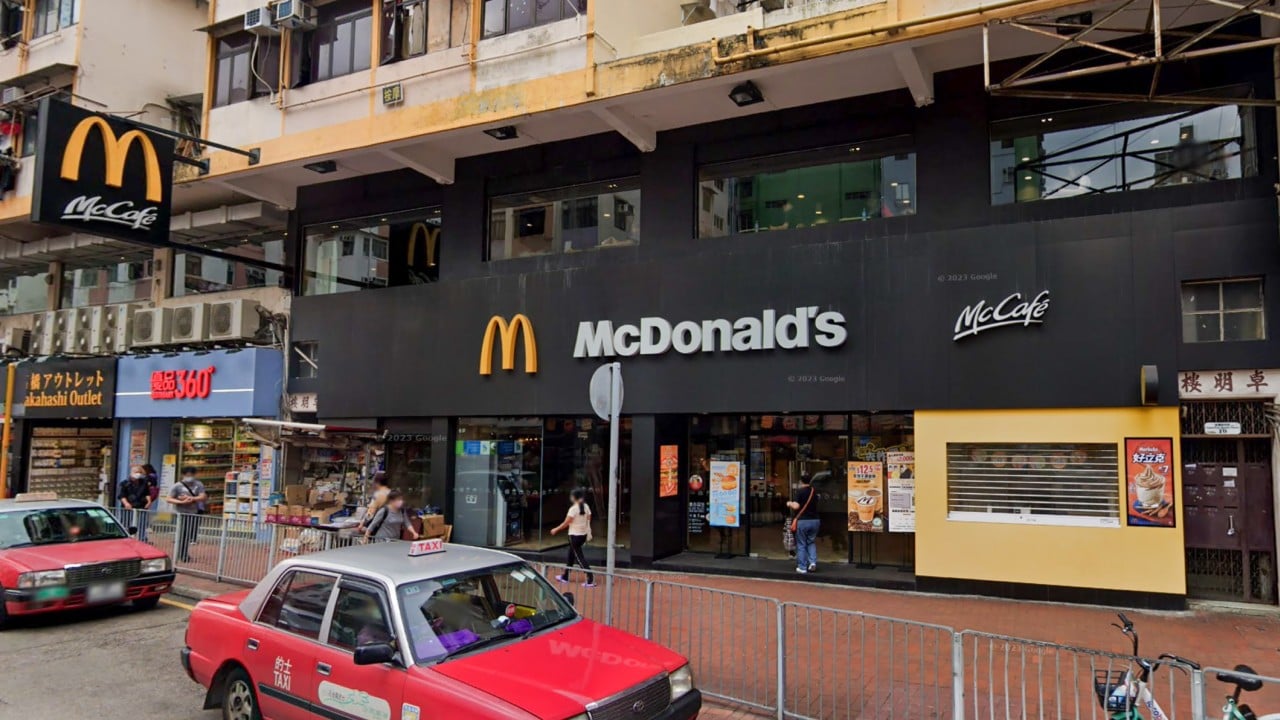
In Tsuen Wan, a district of Hong Kong where market streets still echo with daily commerce, a specific property has changed hands. The site at 10-22 Tsuen Wan Market Street, spanning three floors, once housed the first McDonald’s restaurant in the New Territories. Its recent sale, for HK$120 million (US$15.3 million), to Keen Charm Holdings (HK) Limited, signals more than a simple transaction. The agreement for sale was signed on August 31, according to the Land Registry. This divestment extends McDonald’s year-long strategy of selling its self-owned shops, with 13 properties yielding HK$1.2 billion since last year. This event, framed by reports of “long-dormant old money” re-entering Hong Kong’s retail property market, invites an examination of what the city asks of its enduring institutions, and of the money that shapes its streetscapes.
The departure of McDonald’s from a self-owned site is not just a corporate decision to offload assets. It is a moment where a deeply embedded cultural presence adjusts its physical footprint, particularly as it continues to expand across the region. The brand’s reach across APMEA countries is extensive. Yet, the sale of its original New Territories outpost speaks to a changing relationship between the global franchise and the local real estate market. The May Cheong toymaker family, reportedly linked to the buyer, represents a return of local capital. This move suggests a perception that prime retail spaces, even those long held by global brands, are once again attractive investments for established local players.
Such a shift asks questions about the nature of a place like Hong Kong. For decades, the presence of these global brands, often owning their own prime locations, signified a form of stability, a global integration visible at street level. Now, as McDonald’s opts for a different ownership model, it suggests a recalibration of value. The city's retail property market is dynamic, reflecting not only economic shifts but also underlying cultural currents. This sale, set against the backdrop of an Airport Authority cutting ties with New World over the 11 Skies development to avert a ‘lose-lose’ deal, hints at a broader restructuring of commercial interests and strategies.
For the wider Asia-Pacific region, particularly in dynamic economies like Thailand, Hong Kong’s experience offers a point of reflection. As international brands expand or adjust their strategies, the local conditions — from property markets to consumer behaviour — dictate their success and presence. In Thailand, where global brands like McDonald’s are also deeply integrated into the urban fabric, the interplay between international capital and local investors is constant. The willingness of “old money” to re-engage with retail property, even if it means acquiring sites once held by global giants, indicates confidence in the long-term domestic consumer market.
However, it is important to acknowledge that a single property sale does not define an entire market trend. While some interpret the return of “old money” as a positive indicator, the broader economic landscape of Hong Kong and the region remains complex. A brand like McDonald’s, which has successfully engaged with local markets, even introducing region-specific promotions like the BTS meal in 2021, adapts its operational model based on its financial and strategic objectives. This sale is less a sign of withdrawal and more an illustration of an evolving commercial relationship within a key Asian hub. The question remains: what happens when iconic, established physical presences become negotiable assets? How does this redefine the city's character, and the expectations of those who arrive?
Sources
Newsletter
Pacific Daily
A curated briefing from Thailand, Asia-Pacific and the world.