The Cost of Certainty: HSBC's Education Cuts and Asia's Shifting Corporate Landscape
A financial giant’s decision ripples across the region, revealing the fragile nature of long-held corporate expectations.
SINGAPORE
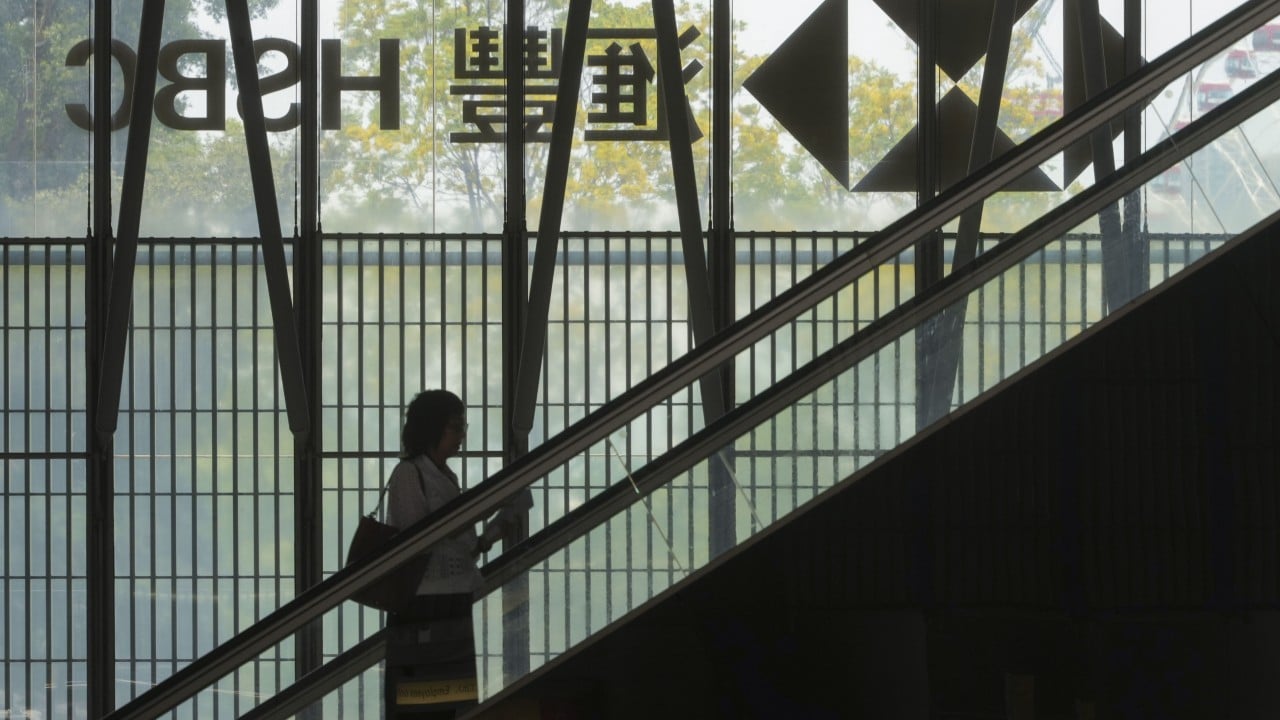
The image of a corporate campus, its gates opening to a new era, often carries with it implied promises—not just of professional advancement, but of a certain quality of life. For senior executives at HSBC, that picture is becoming less clear. The bank, Hong Kong’s largest lender, announced on September 18, 2026, it would scrap an education subsidy program for all newly hired or newly promoted senior executives. This decision, conveyed in an internal memo, arrives as the bank undertakes measures to reduce costs and, as internal sources indicate, to ensure fair treatment for all staff.
This is not merely a change in benefits; it is a shift in the perceived social contract between a major institution and its elite. The education subsidy, reportedly valued at up to HK$300,000, has been a significant component of compensation, particularly for those in a region where expatriate packages often include such provisions. The argument for "fair treatment for all staff" implies that such a benefit was seen internally as inequitable. However, the timing also coincides with broader structural adjustments within HSBC. Reports from March 2025 indicated that a revamp of HSBC’s Asia division led to senior roles being lost, particularly for women, suggesting a broader re-evaluation of its operational footprint and workforce composition. These moves signal a period of intense scrutiny over expenditure, where previously sacrosanct benefits are now under review.
The implications extend beyond individual financial statements. For an institution that has recently seen a person connected to one of its bankers purchase a luxury property for US$15.9 million in June 2025, the removal of a six-figure education subsidy for its senior staff presents a stark contrast. It points to a corporate world in Asia where the visible symbols of success might be concentrated at the very top, while the layers beneath face increasing pressure. This pressure is not new; HSBC executives faced off with Hong Kong investors in August 2022 to conduct a charm offensive, suggesting ongoing dialogues about shareholder value and operational efficiency.
What does this place, a global financial hub built on such institutions, ask of the people who arrive? It asks for high performance, long hours, and often, a willingness to relocate. In return, there was once an expectation of comprehensive support for the attendant costs of such a life, including the education of children. The discontinuation of this subsidy, alongside ongoing job risks, suggests that the balance is shifting. The scene at HSBC, where a key benefit is curtailed while the bank reportedly works towards “integration with Hang Seng Bank,” illustrates a larger narrative: corporate efficiencies are being sought, and the individual cost is becoming more explicit. The perception of what a major international bank owes its senior talent, particularly in Asia's competitive landscape, is undergoing a quiet, yet profound, recalculation.
Sources
Newsletter
Pacific Daily
A curated briefing from Thailand, Asia-Pacific and the world.