Thai 'Soft Power' Initiative: Cinematic Ambitions Meet Cultural Realities
Mei-Ling Chow reports from Bangkok on the 2026 film fund's debut, and whether it’s truly resonating at home and abroad.
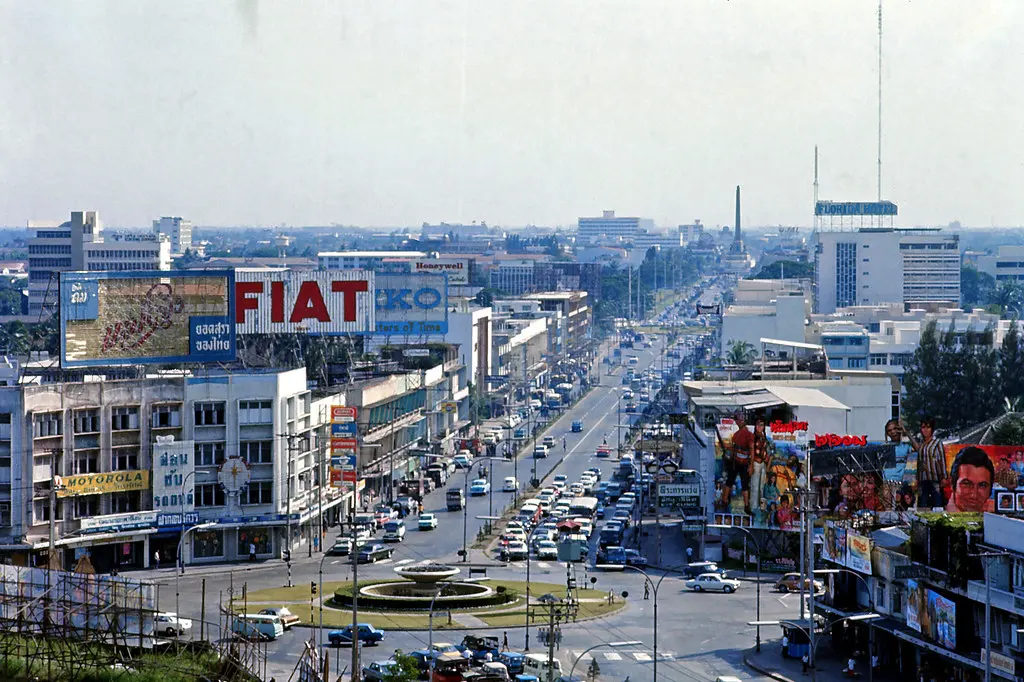
BANGKOK
BANGKOK – The air in Siam Paragon's glittering cineplex on a recent Friday night was thick with expectation, and perhaps a touch of trepidation. The occasion was the gala premiere of “The Silken Thread” (ไหมทองคำ), one of the inaugural releases funded by Thailand's ambitious 2026 'soft power' film initiative. Conceived to project Thai culture onto the global stage and boost the creative economy, the government’s ฿3.5 billion (approximately $95 million USD) national film fund was supposed to be a game-changer. But as the credits rolled, and the muted applause dissipated, I couldn't help but wonder if the initial returns were truly matching the considerable investment.
“The Silken Thread” itself is a visually lavish period drama, set in the Lanna Kingdom, boasting stunning costumes and intricate traditional music. It's an undeniable showcase for Thai artistry and historical grandeur. Yet, for all its beauty, the narrative felt somewhat... sanitized. The portrayal of ancient Lanna society, while picturesque, sidestepped any deeper exploration of its complex social structures or historical tensions, opting instead for a universally palatable romance. This, I suspect, is by design. The fund's stated aim of 'positive cultural promotion' seems to have translated into a cautious approach, prioritizing broad appeal over nuanced storytelling. The film’s opening weekend gross, a respectable ฿45 million locally, was buoyed by heavy government marketing but hasn't yet translated into significant international buzz.
Another flagship release, the action-comedy “Durian Diplomacy” (ทูตทุเรียน), fared slightly better with domestic audiences, pulling in ฿62 million in its first five days. Starring perennial fan-favorite 'Boy' Pakorn Chatborirak, the film leverages slapstick humor and a convoluted plot about a Thai chef inadvertently thwarting an international smuggling ring using culinary skills. While entertaining, critics – myself included – found its 'Thai-ness' superficial, relying on easily digestible stereotypes rather than authentic cultural insight. The international reviews, where they exist, have been largely dismissive, often citing a lack of originality.
This early crop of films highlights a fundamental tension in the 'soft power' strategy. While the government envisions a cinematic boom akin to South Korea's, the approach feels less organic. Korean cultural exports like 'Parasite' or 'Squid Game' achieved global success precisely because they were deeply rooted in specific local contexts, offering unique perspectives that resonated universally. Thailand's initial offerings, conversely, appear to be trying too hard to be universally appealing, sometimes at the expense of their distinctive Thai essence. This isn't to say that Thai filmmakers lack the talent or vision – far from it. My conversations with independent directors reveal a wealth of innovative ideas often hampered by commercial pressures and a perceived need to conform to 'safe' narratives.
The Commercial Conundrum
The fund’s economic impact is also a point of discussion. While production houses involved have certainly seen a boost, the broader economic spillover into provinces outside Bangkok, a stated goal, remains limited. Much of the production infrastructure and talent pool for these large-scale projects are concentrated in the capital. Furthermore, the reliance on established stars and genres, while commercially astute domestically, risks creating a homogenous product that struggles to stand out in the crowded global market. We've seen this before with previous attempts to 'export' Thai culture; the formulaic approach rarely yields groundbreaking results.
"To truly captivate, you must first be genuinely yourselves, not a polished imitation for external consumption." – Dr. Pornsak Jiraporn, cultural critic and film scholar, Chulalongkorn University.
Some international publications have lauded the initiative's ambition, pointing to the sheer scale of investment. Variety recently published an op-ed praising the 'visionary leadership' behind the fund. However, I’d argue that ambition alone is insufficient. The challenge isn't just to produce films, but to produce films that are both authentically Thai and globally compelling. Merely throwing money at the problem won't spontaneously generate a 'Thai Wave' if the content isn't compelling enough to ride it. The government has created the stage, but the stories themselves need more room to breathe, to be bold, and yes, even to be a little bit messy and controversial, if they truly wish to capture the world's imagination. As Thailand approaches the mid-point of its 'soft power' decade, these initial cinematic steps suggest a need for recalibration, to empower distinctive voices rather than merely fund grand spectacles.
Newsletter
Pacific Daily
A curated briefing from Thailand, Asia-Pacific and the world.