Thai National Costume Push: Cultural Diplomacy or Local Livelihoods?
Princess Sirivannavari’s Tokyo showcase prompts a question: how does state-led cultural promotion translate into tangible economic benefits for the average Thai household?
SINGAPORE
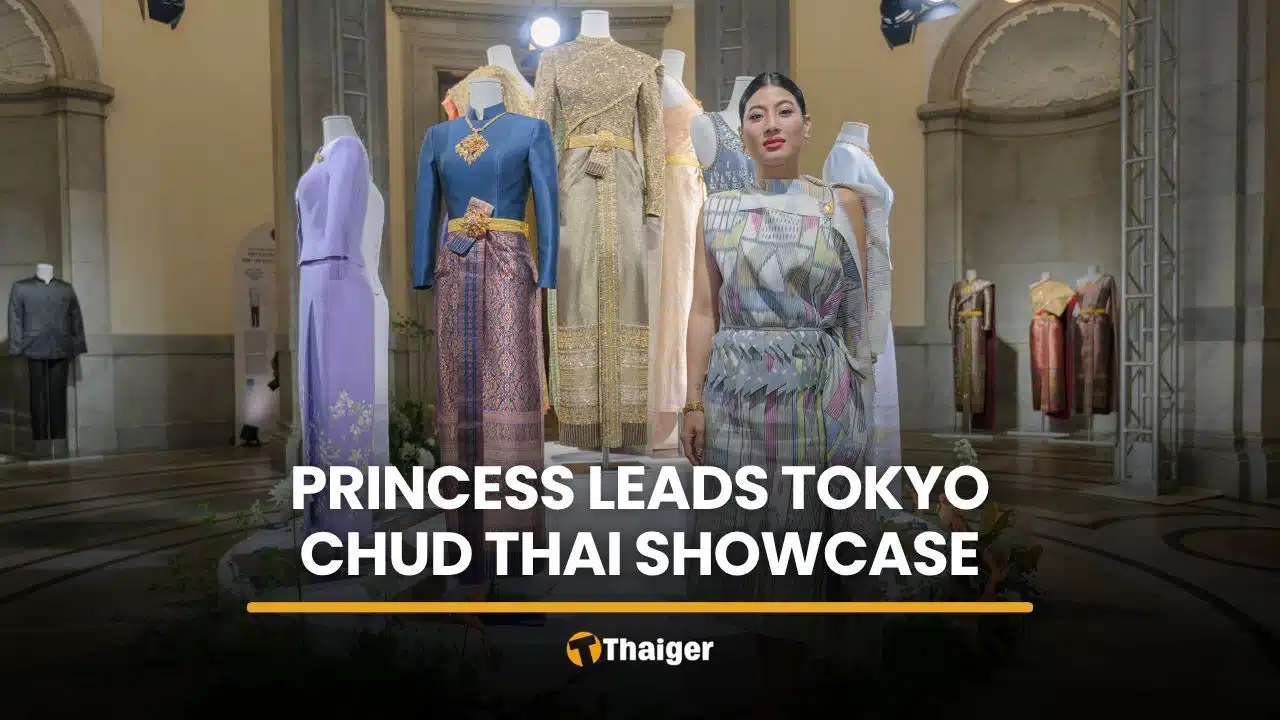
Princess Sirivannavari Nariratana Rajakanya presented all eight styles of Chud Thai Phra Ratchaniyom in Tokyo on September 18 at the Hyokeikan building of the Tokyo National Museum. This event, which also showcased three styles of traditional men’s Suea Phra Ratchathan shirts, is part of Thailand’s continued efforts for UNESCO recognition of the national costume tradition. Thailand’s Department of Cultural Promotion organized “Chud Thai: Knowledge, Craftsmanship and Practices of the Thai National Costume” from September 17 to 18, with the stated aim to promote knowledge of Thai national dress internationally.
Such a high-profile cultural initiative naturally receives significant official backing. Princess Sirivannavari’s visible involvement lends royal presence to this effort. She has previously competed at the Asian Games, as reported in 2014. The choice of Tokyo and the timing of the event suggest a strategic focus on international attention and support for the UNESCO bid. The Department of Cultural Promotion's explicit role confirms this as a government-driven project.
For many Thai households, the economic implications of such an effort are not immediately clear. While the aspiration for UNESCO recognition is understandable, the direct impact on incomes often depends on how effectively this cultural spotlight translates into demand for goods and services. Recognition for traditional dress could theoretically boost the textile industry or traditional craft sectors. However, the path from international cultural awareness to increased consumer spending at the local level is not automatic. The process of translating cultural prestige into a measurable economic benefit for those on a monthly budget requires specific mechanisms.
Events surrounding the Thai monarchy have also been notable. In 2023, the king's second son made a surprise return after 27 years. The deaths of Princess Bajrakitiyabha at 47 were reported by The New York Times and The Guardian in June 2026. These occurrences highlight shifts in the royal family's public presence. Princess Sirivannavari’s involvement in the Chud Thai showcase contributes to royal visibility and cultural promotion. The fundamental question remains whether this translates into direct economic uplift for those producing the garments or associated crafts, particularly small-scale artisans.
Previous instances of national costume promotion have shown varying degrees of economic benefit for the broader population. Sometimes, the primary beneficiaries are larger designers or institutions with state ties, rather than individual artisans or smaller workshops. For a cultural initiative of this type to genuinely influence the everyday economy, it requires explicit strategies to connect international recognition with local production and fair compensation. Without these connections, the cultural prestige may remain primarily at a state and elite level, with limited direct economic benefit for a wider segment of the population.
The success of this UNESCO bid, and its broader economic utility, depends on the programmes that follow. Promoting 'knowledge, craftsmanship and practices' is a starting point, but the real test lies in how that knowledge is commercialized and how the craftsmanship is supported to ensure that the benefits reach a wider segment of the population, beyond merely presenting an image on a global stage.
Sources
Newsletter
Pacific Daily
A curated briefing from Thailand, Asia-Pacific and the world.