Taiwan Military Police Shift Signifies Deeper Defense Strategy
Expanding the role of military police to include combat operations reflects a recalibration of Taiwan's defense, moving beyond traditional law enforcement within the armed forces.
SINGAPORE
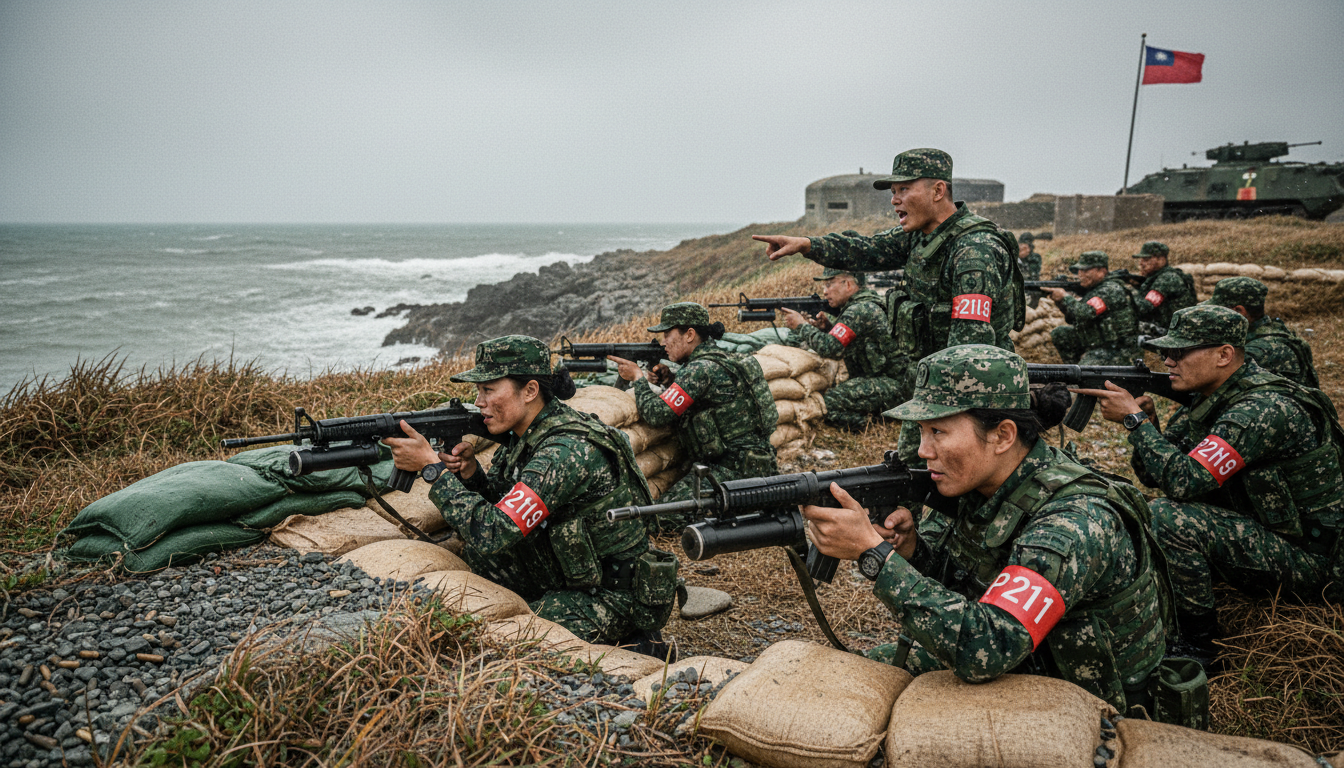
Taiwan’s Ministry of National Defense (MND) plans to expand the role of its military police, moving beyond conventional duties to include combat operations. This adjustment signals a notable shift in how Taiwan envisions its forces contributing to national defense. While details on the specific scope of combat roles remain limited, the announcement itself points to an effort to enhance overall military capacity.
Traditionally, military police primarily focus on maintaining order within the armed forces, enforcing regulations, and managing security tasks. Their deployment in combat scenarios represents a deviation from this established pattern. This strategic pivot comes amid reports from the South China Morning Post (2026-10-11) highlighting Taiwan’s military manpower shortages, which may influence the decision to re-task existing units.
The integration of military police into frontline combat functions could address numerical shortfalls by distributing responsibilities across a broader base of personnel. This approach contrasts with the standard practice of having specialized combat units handle such engagements exclusively. The MND’s move implies an assessment that current dedicated combat forces may require augmentation or a more flexible deployment model. However, such an expansion would necessitate significant training and equipment upgrades for military police units, areas not specified in the current announcement.
Arguments for this expanded role often center on maximizing available personnel and preparing for a more integrated defense. Assigning combat duties to military police could also be seen as an effort to create a more resilient and versatile fighting force, capable of adapting to diverse threats. This aligns with a broader regional trend of nations reassessing their defense postures in response to geopolitical dynamics.
Conversely, critics might argue that diverting military police from their core functions could compromise internal military discipline and security, especially during a crisis. The expertise required for effective combat differs significantly from that of law enforcement, raising questions about the readiness and specialized training these units would receive. Furthermore, the effectiveness of such a strategy hinges on whether the expanded training can adequately prepare military police for the complexities of combat without diminishing their capacity for their original, critical functions.
This shift in Taiwan's military policy suggests a pragmatic response to perceived vulnerabilities, utilizing existing structures to meet evolving defense needs. The true impact of this change will depend on the implementation of comprehensive training programs and the integration of these units into broader military operations. Without further specifics on funding, training duration, and tactical assignments, the extent of this transformation remains uncertain.
Sources
Newsletter
Pacific Daily
A curated briefing from Thailand, Asia-Pacific and the world.