Taiwan Mayoral Candidates Signal Policy Shift With Sustainability Pledges
Twelve mayoral candidates in Taiwan's six special municipalities have signed sustainability pledges, indicating a potential re-prioritization of environmental and resilience policies ahead of the 2026 elections.
SINGAPORE
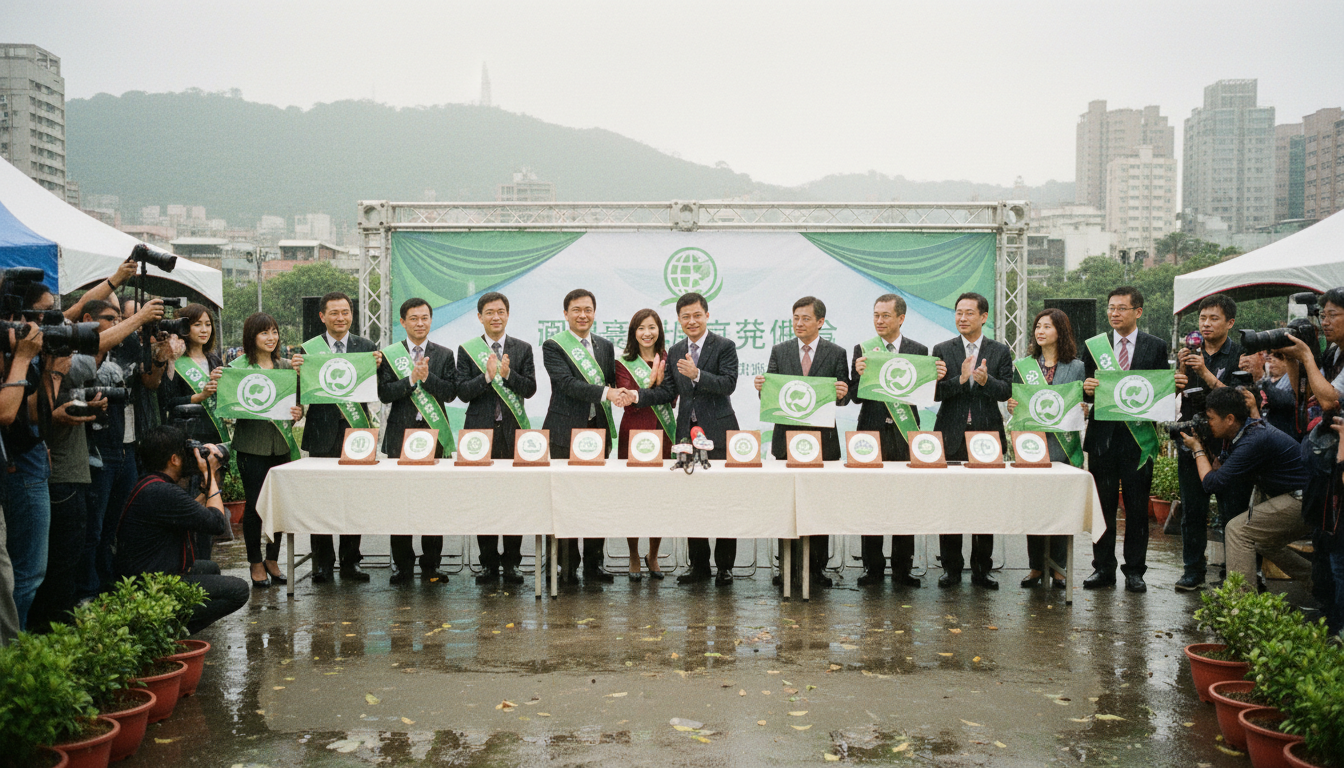
Twelve mayoral candidates, competing in Taiwan's six special municipalities for the 2026 elections, have signed sustainability pledges. This action follows an initiative by civic groups, including the Taipei-based Green Citizens’ Action Alliance (GCAA) and the Taiwan Climate Action Network (TCAN).
These organizations presented a pledge encompassing 18 policies. The areas covered include renewable energy, disaster preparedness and resilience, heat adaptation, flood management, and sustainable transportation. The specific commitment of candidates such as Taipei Mayor Chiang Wan-an of the Chinese Nationalist Party (KMT) and Taipei mayoral candidate Puma Shen suggests an acknowledgment of these issues in local political discourse.
While the signing of pledges by candidates like Johnny Chiang, the KMT’s Tainan mayoral candidate, and Democratic Progressive Party incumbent Lee Shu-chuan for Taichung, signals engagement, the depth of this commitment will be tested by specific policy implementation. Campaigns for local office often involve broad promises, and these pledges, while specific in number, remain subject to the political realities of governance. The focus on AI industry development, as seen in Kaohsiung mayoral candidates' plans, for instance, highlights a competing priority that may draw resources and attention.
Historically, local elections have frequently centered on economic development and traditional infrastructure projects. The inclusion of comprehensive sustainability policies by a significant number of mayoral candidates indicates that environmental and resilience concerns are gaining traction. This shift suggests civic groups are effectively influencing the electoral agenda, moving issues like heat adaptation and flood management into the mainstream political debate.
The ultimate impact of these pledges is yet to be determined. The 2026 elections will reveal whether voters prioritize these sustainability commitments over other traditional campaign issues. The outcome will clarify the extent to which Taiwan’s local political landscape genuinely reorients towards environmental governance. The pledges represent an intention, but the financial and political implications of their execution remain an open question.
Sources
Newsletter
Pacific Daily
A curated briefing from Thailand, Asia-Pacific and the world.