Singapore's Grand Prix surge points to an economic strategy for tourism
Amid skyrocketing hotel rates, the city-state's reliance on high-profile events for visitor appeal becomes clear, offering a model for the region.
SINGAPORE
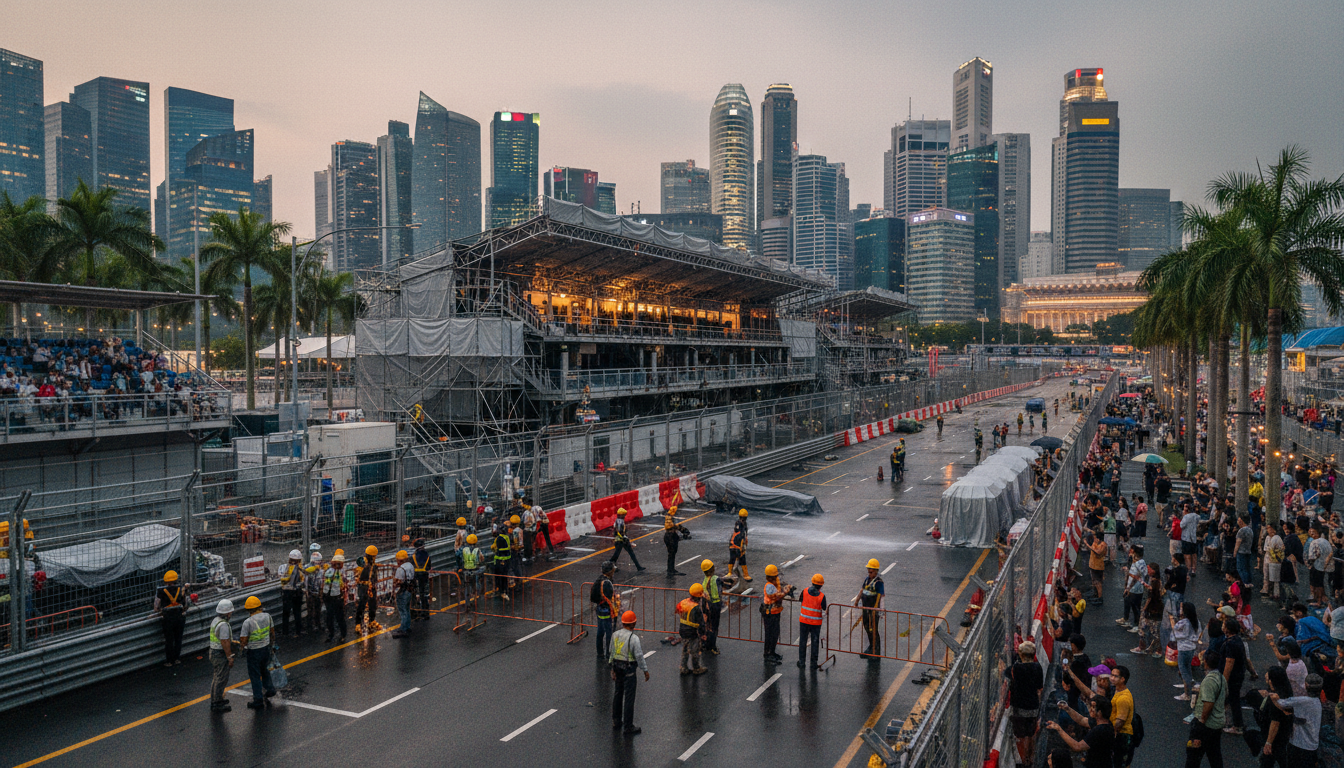
The Marina Bay Street Circuit, on October 5, 2025, sees Formula One drivers in action. This singular event, alongside a calendar of over 40 business conferences, transforms Singapore’s hotel market. Some rooms fetch more than seven times their usual rates, an extraordinary shift in pricing.
This pricing behavior reflects a strategic dependency. Singapore, an island city often characterized by high prices and few beaches, relies on curated, large-scale events to attract visitors. The Formula 1 Grand Prix is a centerpiece, drawing international attention and a specific type of affluent traveler. The surrounding MICE (Meetings, Incentives, Conferences, Exhibitions) events extend this impact, ensuring a consistent influx of business and leisure travelers during peak periods.
Such a model, where major events drive tourism demand and economic activity, is not unique to Singapore. Malaysia, for instance, has previously aimed for increased business for small traders and a rise in tourists from its own F1 race. Similarly, events and concerts, such as those featuring BTS, have helped reboot Singapore’s tourism economy in recent years. This approach positions high-profile gatherings as central to national economic strategies.
Yet, this concentration carries implications. While the immediate economic benefits are clear, with hotels seeing dramatic revenue increases, it also raises questions about sustainability and accessibility. Relying heavily on global events means vulnerability to shifts in international travel patterns, corporate budgets, or the appeal of specific attractions. Moreover, such pricing may deter travelers who are not attending the main events, potentially narrowing the visitor base to a niche of high-spending individuals and corporate groups.
The city-state navigates a balance between a steady stream of conventional tourism and the concentrated bursts of event-driven demand. The current surge demonstrates the effectiveness of this event-centric strategy for Singapore’s economy, even as it creates periods of extreme demand. The question for other nations in the Asia-Pacific region is whether similar strategies can yield comparable results without alienating broader tourist markets.
Sources
Newsletter
Pacific Daily
A curated briefing from Thailand, Asia-Pacific and the world.