Singapore's History Gallery: A Narrative Redefined
The National Museum of Singapore's refreshed approach to its past suggests a shift in how nations construct identity, offering a new lens for visitors and a challenge for the region.
SINGAPORE
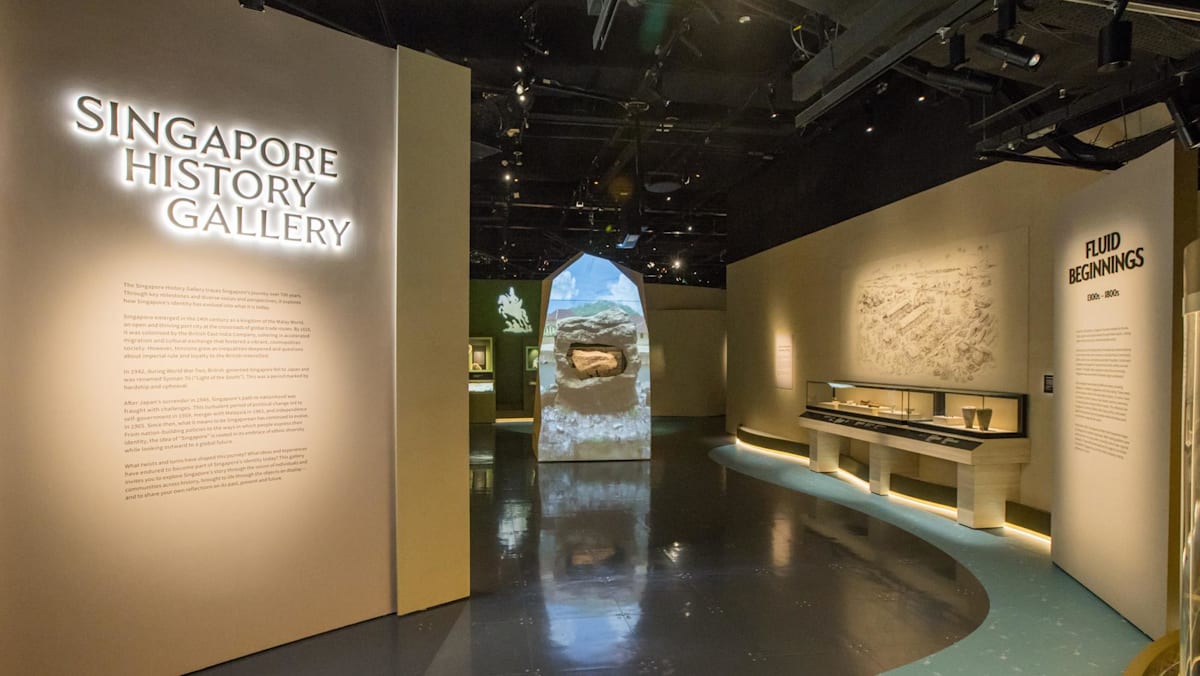
The National Museum of Singapore’s Singapore History Gallery reopens on October 10, marking its 139th anniversary with nine days of festivities through October 18. This is not simply a refreshed exhibit; it is a re-articulation of the Singaporean story, focusing on “people-centred narratives and the development of the Singapore identity,” according to CNA Lifestyle. The Straits Times frames it as a "fresh look at the past through new narratives."
Arrivals to Singapore often encounter a city defined by its present: the meticulous urban planning, the economic dynamism. Yet, this reopening asks what Singapore now wishes its past to signify, not just for its citizens, but for the millions who pass through its airport or visit its cultural institutions. The shift towards 'people-centred narratives' moves beyond a purely chronological recounting of events to explore how identity is forged. This choice reflects a deliberate re-evaluation of national memory, positioning individual experiences at the core of a collective story.
Historically, national museums in Southeast Asia have often served as custodians of grand narratives, reinforcing state-sanctioned versions of history, frequently highlighting political milestones or economic achievements. While the previous iteration of Singapore’s History Gallery certainly presented the nation's trajectory, the emphasis on “new narratives” suggests a willingness to explore different facets, perhaps giving voice to experiences that were previously less prominent. This is not to say that the previous gallery lacked depth, but rather that the focus of this revamp signals a distinct curatorial intent.
What does a place ask of the people who arrive? Singapore, through this gallery, asks visitors to engage with a history that is actively being shaped, even retroactively. This move is significant for a country that has carefully cultivated its image on the global stage. It speaks to a growing maturity in how national identity is portrayed, acknowledging its complexities rather than presenting a monolithic view.
One might argue that such a refocusing is merely an updating of curatorial trends, a cosmetic change for a new generation of museum-goers. The Straits Times also reported on August 23, 2026, about Singapore showcasing its Chinese heritage with a new gallery and exhibition, suggesting a broader effort to categorize and present specific cultural threads. This raises a question: do these 'people-centred narratives' genuinely broaden the scope of Singaporean identity, or do they subtly reinforce existing ethnic or social divisions by isolating specific heritage components? Without details of the specific narratives chosen, it remains an open question whether the gallery truly embraces a diversity of experiences or merely refines existing stories.
However, the intent to highlight "people-centred narratives" in a history gallery suggests a move toward deeper engagement with the human element of nation-building. It implies a recognition that history is not merely a sequence of dates and decisions, but a lived experience, composed of countless individual stories. This approach could offer a template for other nations in the Asia-Pacific grappling with how to present their own intricate pasts to a global audience, allowing for a more nuanced understanding of their development and culture. The reopening marks not just a museum event, but a subtle redefinition of how Singapore chooses to remember itself.
Sources
Newsletter
Pacific Daily
A curated briefing from Thailand, Asia-Pacific and the world.