Singapore's Sentinel Fleet: Securing Trade, Not Seeking Tourism
Singapore enhances its maritime defenses, but the wider Asia-Pacific economy contends with fluctuating investment and regulatory hurdles.
SINGAPORE
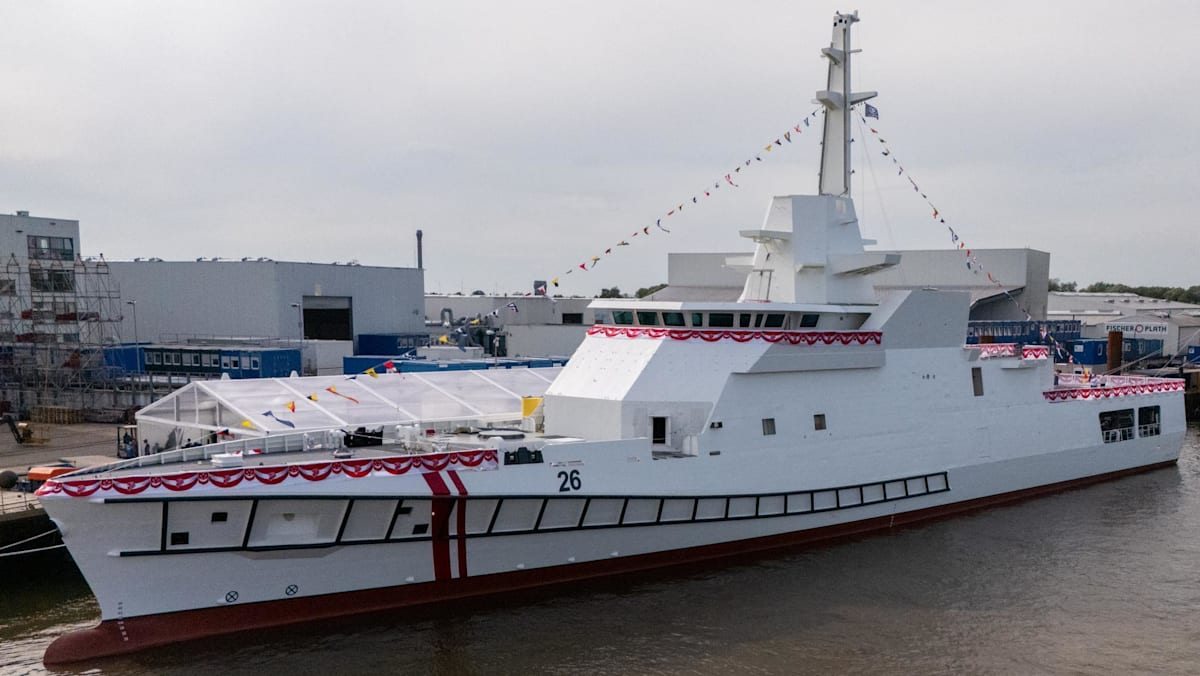
Singapore's launch of the first Sentinel-class offshore patrol vessel, built in Berne, Germany, marks a specific enhancement of its maritime security posture. The Republic of Singapore Navy states this vessel is the first of four, designed to meet increased demands and a wider scope of maritime security operations, according to Singapore's Ministry of Defence. This initiative signals a strategic focus on protecting sea lanes, which are vital for a trade-dependent economy.
From a market realist perspective, investments in defense assets like these patrol vessels are rarely about opening new tourism frontiers. They are about securing existing economic arteries. While Singapore leads the Asia-Pacific region in wealth hub rankings, as reported by Savills, driven by next-generation real estate allocations, this economic success relies on stable trade environments. The new Sentinel fleet, therefore, represents a defensive cost against potential disruptions rather than an investment promising direct returns in hospitality or tourism.
The regional economic landscape presents a more complex picture. For instance, HashKey explored purchasing Singapore's Asia Pacific Exchange, indicating continued interest in the financial sector. Simultaneously, venture capital led private-market returns across Asia-Pacific in Q2, according to MSCI, suggesting areas of robust investment. Yet, these opportunities exist alongside regulatory uncertainties, as seen with the Indonesian governor's order to halt Singapore's BDx data centre project due to a lack of permits. Such actions highlight the variable operational environments businesses face, even for well-funded projects.
These developments underscore a critical tension. Singapore’s naval expansion could reassure investors by projecting stability in key shipping routes. This stability is fundamental for businesses, including those moving goods and data. However, the costs associated with maintaining such a fleet are substantial. Who ultimately pays for this enhanced security remains the core question. Taxpayers bear the initial burden, but the broader economy must generate enough trade and investment to justify these long-term expenditures.
For Thailand and other regional economies, Singapore's naval strength offers a measure of collective maritime security, particularly in shared sea lanes. Reduced piracy or safer passage benefits all trading nations. Yet, it also signifies an increasing militarisation of the region's waters. While the Ministry of Defence highlights increased demands and a wider scope for operations, specific threats or operational changes are not detailed. This leaves an open question about the precise drivers for such an expanded fleet.
Some might argue that robust maritime security creates an environment more conducive to overall economic growth, including tourism, by fostering perceived safety and stability. A secure sea, they might contend, indirectly supports all sectors. While there is a qualitative link, direct quantitative evidence for this connection in the hospitality sector is frequently elusive. Tourists typically react to immediate safety perceptions and travel advisories, not the specific class of naval vessels patrolling distant waters.
The strategic value of the Sentinel class ships, capable of adapting for different missions, points to versatility. This adaptability could reduce long-term costs if future security needs change. The fact that the vessel was launched in Berne, Germany, also indicates reliance on international partnerships for advanced defense technology. This reflects a practical approach to capability building, leveraging global expertise rather than solely domestic production.
Ultimately, Singapore’s investment in the Sentinel fleet is a signal to its trading partners and potential adversaries: it intends to secure its maritime interests. Whether this translates into a tangible boon for the regional economy, beyond basic security, depends on the complex interplay of trade volumes, regulatory consistency, and geopolitical stability. The true measure of its success will not be found in tourist arrivals, but in the sustained flow of goods and capital through its secure waters, and at what cost.
Sources
Newsletter
Pacific Daily
A curated briefing from Thailand, Asia-Pacific and the world.