Russia's Unexplained Plague Death Highlights Regional Biosecurity Challenges
A lab worker's death in Irkutsk, and the WHO's uncertainty, underscores persistent risks for Asia-Pacific health infrastructure.
SINGAPORE
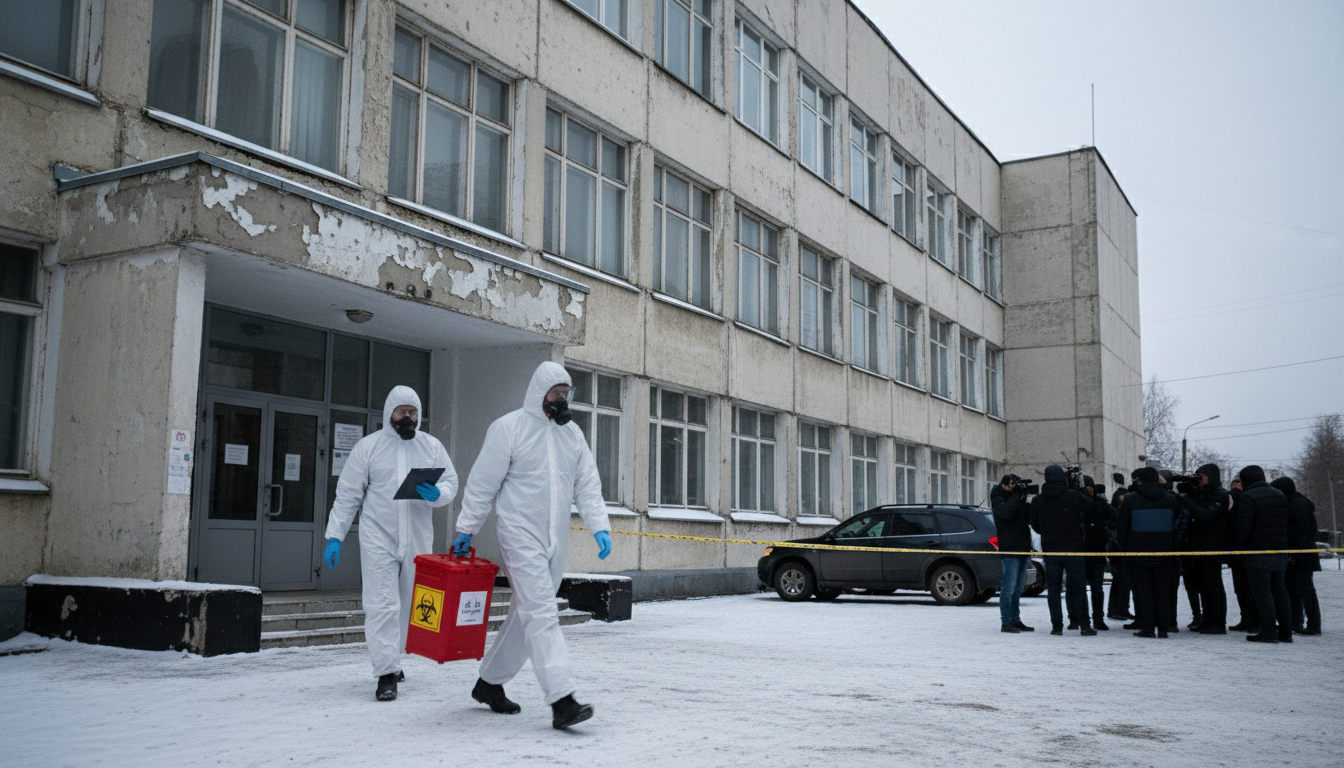
The death of a lab worker at the Anti-Plague Institute of Siberia and the Far East in Irkutsk, Russia, on Oct 2, 2026, presents a localized event with broader implications for regional biosecurity. While Russian authorities state the death does not risk an epidemic, the World Health Organization (WHO) remains unsure what caused the pneumonia that killed the individual. This divergence in assessment, coupled with the quarantine of approximately 200 people, reveals an ongoing challenge in managing biological risks across the Asia-Pacific.
Historically, Russia's extensive network of biological research facilities, some with Soviet-era origins, has been a subject of international scrutiny. These institutions are critical for monitoring and responding to endemic diseases. The current situation, marked by “undisclosed circumstances” surrounding the death and public health fears on social media, suggests a gap between institutional control and transparent communication. The WHO’s stated uncertainty, reported on Oct 10, indicates a lack of conclusive data sharing or a complexity that prevents a definitive diagnosis from external bodies.
Implications for Regional Health Security
The immediate consequence for the Asia-Pacific region is not a direct contagion, but rather the reinforcement of a pre-existing structural vulnerability. The incident in Irkutsk highlights that effective biosecurity relies not only on containment capabilities but also on international trust and rapid information exchange. Without clear, verifiable information regarding the cause of death and the pathogens involved, neighboring countries, including those in Southeast Asia like Thailand, cannot fully assess potential risks or calibrate their own preparedness. Although local authorities quarantined 200 people, the absence of a confirmed cause for the pneumonia, given the institute’s nature, creates an informational void.
This event interrupts a pattern where such incidents would typically be met with clear diagnostic pathways and transparent reporting, even if the primary cause were deemed non-contagious. The current situation, where the WHO expresses uncertainty, signals a potential impediment to established global health protocols. The question for regional strategists is not merely about the specific pathogen. It concerns the capability to identify and communicate its nature unequivocally. This unresolved tension between sovereign statements and international health assessments remains a constraint on collective regional biosecurity.
Sources
Newsletter
Pacific Daily
A curated briefing from Thailand, Asia-Pacific and the world.