Missile Launch Spotlights Unresolved Regional Tensions
North Korea’s ballistic missile test, following reports of landmine injuries, underscores a persistent regional security challenge without immediate resolution.
SINGAPORE
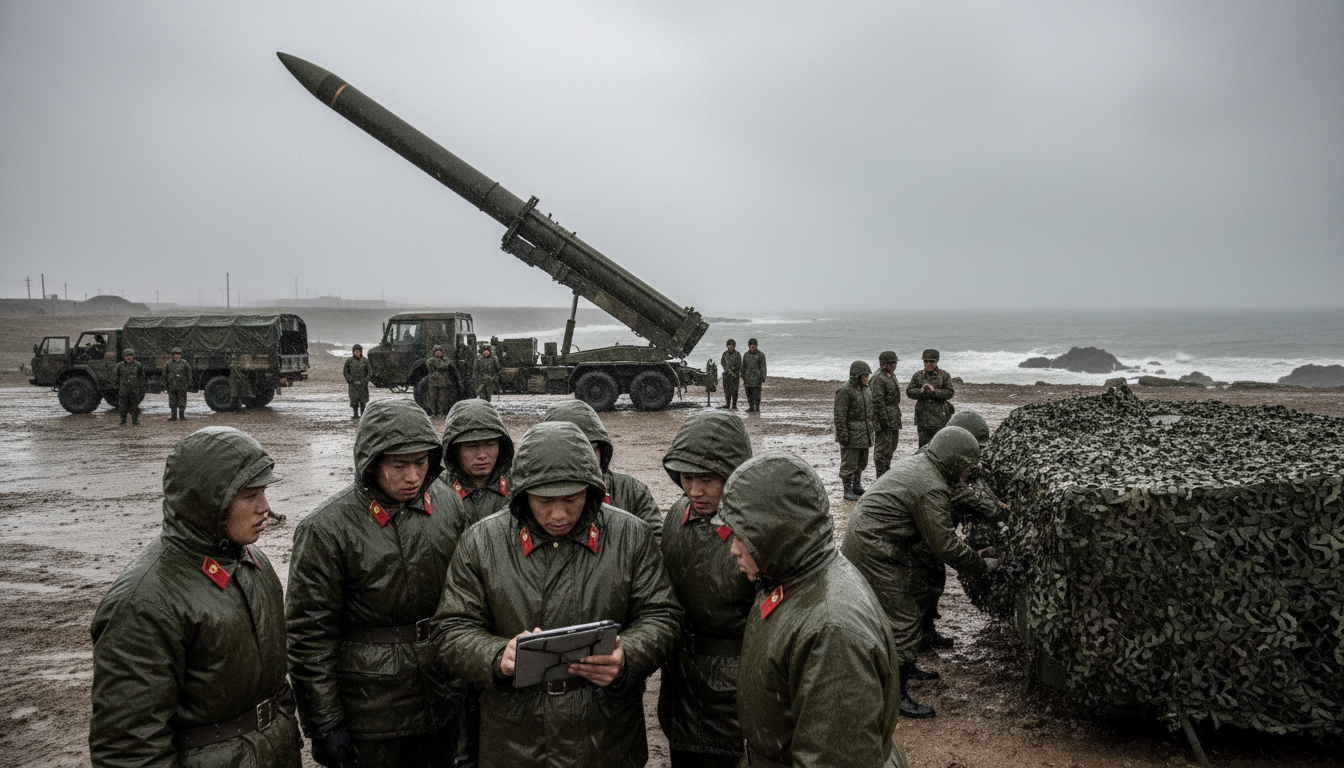
A North Korean ballistic missile launched toward the sea off its east coast on Saturday, October 3, marks another instance in a recurring pattern. South Korea and Japan confirmed the launch, which occurred a day after North Korea rejected Seoul's accusation regarding landmine incidents that wounded soldiers. The South Korean military stated the missile launched from the Wonsan area at approximately 6:30 AM and flew more than 700 kilometers. This event follows a consistent trajectory of military demonstrations by Pyongyang, often linked to specific grievances or rejections of claims, which form a regular feature of the security landscape.
Such actions interrupt any sustained period of calm or diplomatic overture. The persistent cycle of launches, despite international condemnation, highlights the limitations of current diplomatic and security architectures. South Korea and Washington are analyzing the test details. For nations like Thailand, geographically distant but economically intertwined with the region, stability in East Asia remains a direct concern. Disruptions or escalations, even those geographically contained, affect trade routes, investment confidence, and the broader strategic calculations that underpin regional prosperity.
While the immediate provocation stems from the reported landmine incident, the recurring nature of these launches points to a deeper, unresolved tension. The issue for regional observers is not just the occurrence of each launch, but the enduring lack of a framework to de-escalate such cycles. The trajectory of these events demonstrates a persistent disjunction between North Korea’s internal objectives and the regional desire for stability. The missile launch, and the preceding accusations, form part of a cycle that has yet to find a political or security off-ramp. Any resolution would require addressing the core drivers of Pyongyang's security posture, a task that has historically proven elusive. This remains a central constraint on regional stability.
Regional Implications and Enduring Constraints
The pattern of these tests, including the October 3 launch, indicates that the region is accustomed to a specific rhythm of military posturing. This posturing, while predictable in its recurrence, remains destabilizing. North Korea’s sister said an intermediate-range strategic missile was launched during a firing drill, as reported by Yonhap News Agency. The Hindu also reported North Korea stating it test-fired an intermediate-range missile as tensions grew over mine blasts. This characterization of the event by North Korea as a “firing drill” or “test-fire” reinforces the perception that such actions are integrated into its strategic calculus. The broader Asia-Pacific region, including Southeast Asian economies heavily reliant on global trade and stability, continually adapts its own strategic planning around this persistent reality.
Countries must contend with these events as part of the broader strategic environment. The effects extend beyond immediate border security concerns. Supply chains, maritime security, and foreign direct investment flows are all sensitive to perceived instability. Without a fundamental shift in the underlying dynamics, or an agreement on verifiable denuclearization, these intermittent tensions will continue to shape regional policy and economic forecasting. The unresolved tension persists, a constant factor in the region's strategic landscape.
Sources
Newsletter
Pacific Daily
A curated briefing from Thailand, Asia-Pacific and the world.