Road Risks for Foreigners in Pattaya
A recent motorbike crash involving a foreign tourist in Pattaya highlights the consistent hazards encountered on local roads, which extend beyond isolated incidents.
SINGAPORE
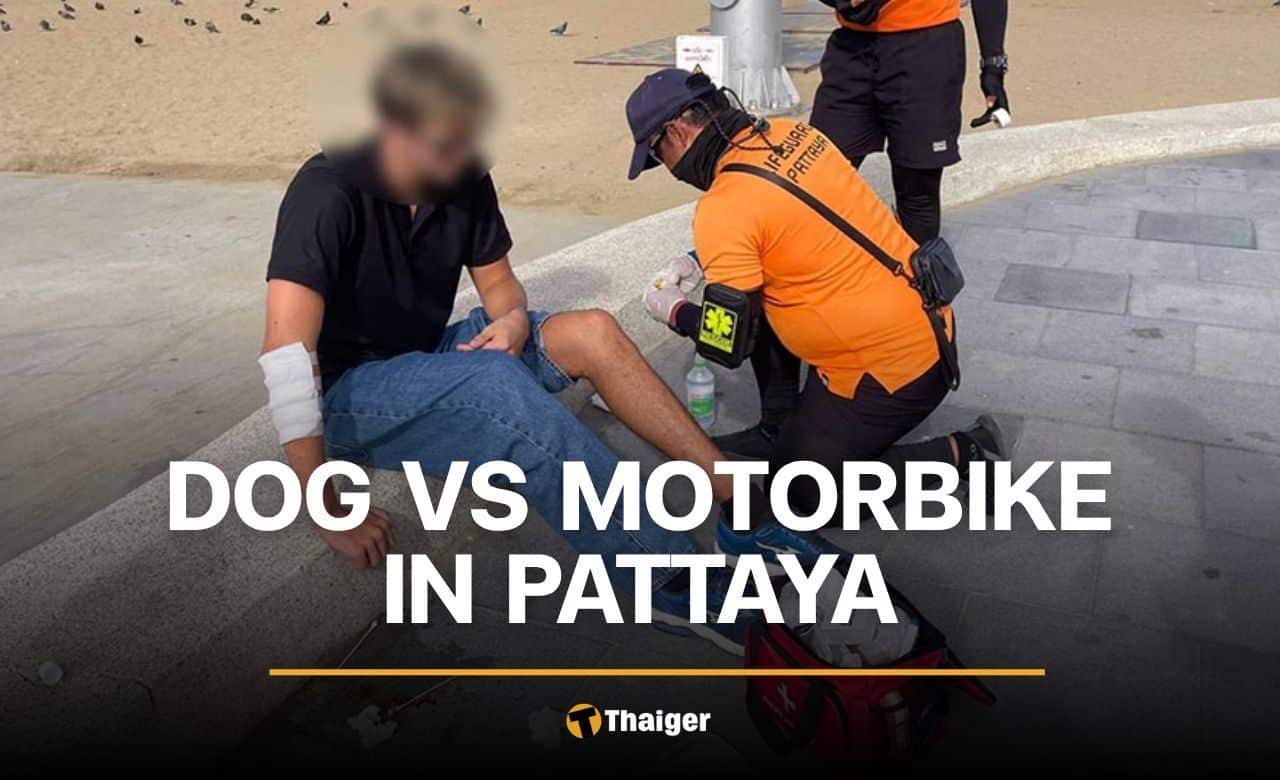
A foreign tourist sustained abrasions in Central Pattaya on September 18 after his motorcycle crashed. The incident occurred when a dog ran across the road. Pattaya municipal officers and Pattaya Beach lifeguards provided first aid at the scene. The tourist informed officers he wished to travel to a hospital on his own. Officers gave him initial assistance and facilitated his departure, after which he made his own way to the hospital. His nationality was not provided, and no other injuries were mentioned.
This event, while reported as minor in its outcome, reflects a broader pattern of road-related dangers for foreign individuals in Thailand. The presence of a dog on the road was unpredictable, yet the context—a foreign tourist on a motorcycle in Pattaya—is a recurring scenario. This type of incident underscores the daily challenges for foreigners navigating local transport systems.
The risks for foreign residents and visitors in areas like Pattaya are not limited to animal-related incidents. Other reports from Pattaya highlight the varied nature of road incidents involving foreign individuals. For instance, one report from Khaosod English mentioned a British individual involved in a serious crash in Pattaya, following a stunt. Another report from Khaosod English detailed a Russian couple being struck while crossing a Pattaya road, which resulted in the death of the husband.
These different incidents, occurring at separate times, collectively indicate that the road network in Pattaya, and by extension other tourist-heavy areas in Thailand, presents substantial hazards. For those residing in or visiting Thailand, these daily risks accumulate. The incident involving the dog, though less severe than a fatality or a stunt-related crash, speaks to the underlying fragility of safety for foreign individuals operating within local infrastructure.
The incident involving the dog speaks to the underlying fragility of safety for foreign individuals operating within local infrastructure.
Local authorities, including the Pattaya municipal officers and lifeguards, provided immediate assistance following the September 18 incident. This represents a functional response to the aftermath of an accident. However, the prevalence of such events suggests a gap in preventative measures, or at least in their effective communication to the foreign community. While high-profile incidents might prompt calls for stricter regulations or campaigns, the more common hazards, such as stray animals, continue to pose a regular threat. This cumulatively affects both the perception of safety and the actual experience of living or traveling abroad.
For many expatriates, using a motorcycle often represents a choice of convenience and cost, integrating them into the local transport ecosystem. For tourists, it can offer a sense of freedom. This integration often comes with an implicit acceptance of risks that are typically higher than those found in their home countries. The absence of specific nationality details in the most recent incident suggests its universal relevance for foreign individuals. The recurring pattern of road incidents, ranging from minor abrasions to fatalities, shapes the experience of a 'month' for many foreigners in Thailand. The outcome now depends on whether the cumulative weight of these incidents influences public or governmental approaches to road safety, particularly as it pertains to the foreign population.
Sources
Newsletter
Pacific Daily
A curated briefing from Thailand, Asia-Pacific and the world.