Riyadh Airport Attack Disrupts Air Travel, Signals Enduring Regional Volatility
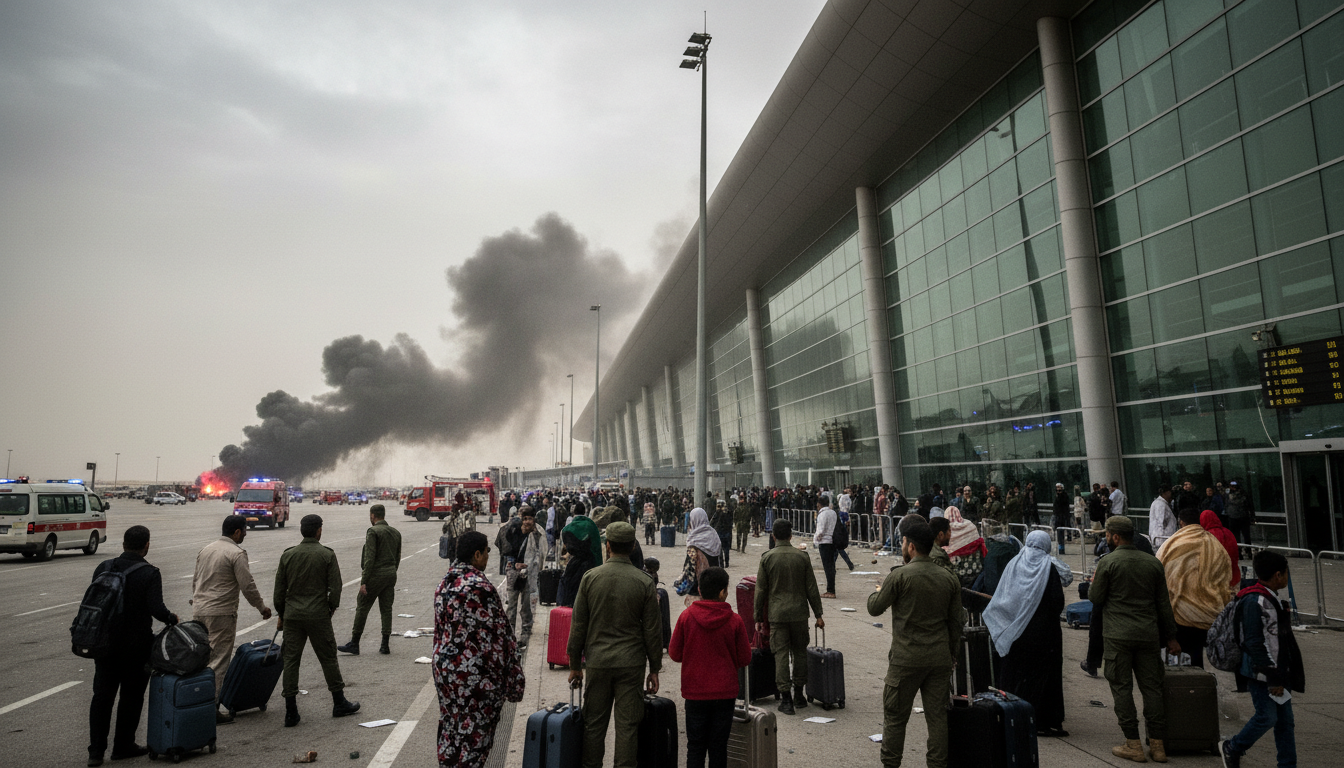
The suspension of operations at King Khalid International Airport following an attack on October 10, 2026, marks an operational shift for a key regional hub, underscoring ongoing security challenges for Asia-Pacific air corridors.
SINGAPORE
The suspension of operations at Riyadh's King Khalid International Airport on Saturday, October 10, 2026, after an attack wounded multiple individuals, indicates a tactical shift in regional security dynamics. This event, which prompted a mass call-up of doctors and led to flight diversions and cancellations, highlights the persistent vulnerability of critical infrastructure in the Middle East. While a specific aggressor was not named in initial reports, the attack occurred amidst what Channel News Asia described as a "worsening security crisis." This echoes earlier events, such as US-Israeli strikes on Iran in March 2026, which also resulted in flight cancellations, according to the BBC.
Such incidents, though geographically distant, transmit immediate effects to the Asia-Pacific. Singaporeans in the Middle East, for instance, scrambled to find a way home after the March 2026 strikes, as reported by The Straits Times. The disruption of a major transit hub like Riyadh affects not only direct flights but also the intricate web of connecting routes that facilitate trade, diplomacy, and the movement of people between the Gulf and East Asia. Any sustained degradation of air transport reliability in the Middle East challenges the established expectations of business and leisure travelers across the wider region.
The attack on King Khalid International Airport unfolds as Turkey and Saudi Arabia engage in diplomatic efforts, with a Mecca pact committee meeting scheduled in Riyadh for October 5, 2026, as reported by Reuters. Turkey's foreign minister indicated on October 8, 2026, that Ankara was considering defense support for Saudi Arabia, while ruling out an offensive role. These diplomatic movements suggest a recognition of the evolving security landscape. The ability of non-state actors to target strategic civilian infrastructure, even if the intent is not to cause mass casualties, creates an economic and political cost that governments seek to mitigate through both defense and diplomatic channels.
While the immediate focus remains on the humanitarian impact and operational recovery at King Khalid International Airport, the broader implication for Asia-Pacific nations lies in reassessing supply chain resilience and evacuation protocols. The sustained presence of security threats impacting air travel in the Middle East poses an unresolved tension for regional stability and global connectivity. The incident underscores that while diplomatic overtures may proceed, the capacity for disruption from asymmetric threats remains a material consideration for all stakeholders with interests in the broader region.
Sources
Newsletter
Pacific Daily
A curated briefing from Thailand, Asia-Pacific and the world.