Public Patronage and the Scrutiny of Support
A rock veteran's financial pledge to a young musician sparks debate, revealing the intricate public expectations surrounding private generosity in Thailand.
SINGAPORE
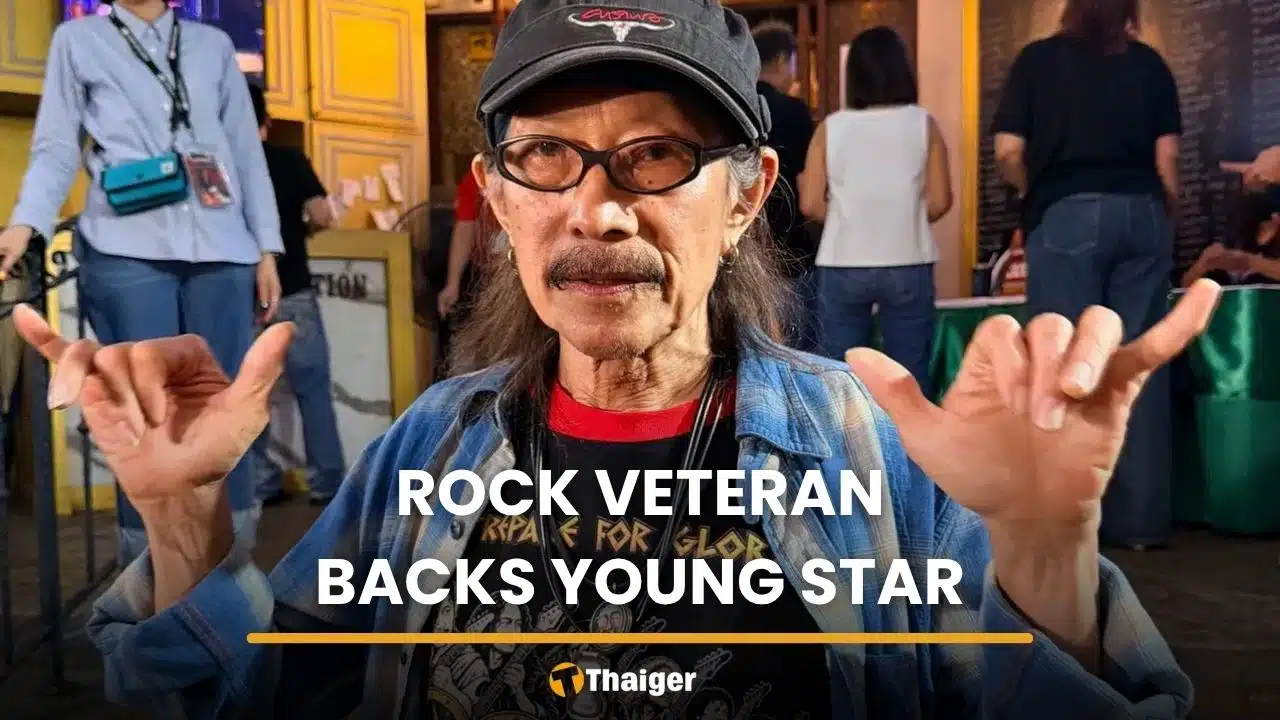
Add Carabao’s pledge of 1 million baht to Nene Royal for travel to the America’s Got Talent final has prompted public discussion beyond the stated purpose of the funds. On September 16, at the Concert for Guitarking Lam Morrison 2026, the rock veteran stated he was irritated by an online remark suggesting he was leveraging Nene’s fame and was too old to do so. This dismissal, made at Tawandang German Brewery, highlights a pattern where individual contributions become public events, carrying implications for both the benefactor and the recipient.
The context of this support matters. Nene Royal, identified as Rattikarn “Praew” Amloy, is a teenage guitarist. Her viral guitar solos have been cited by Bloomberg.com as fueling hopes for a tourism boost. This links her personal artistic pursuit to a broader national economic aspiration, positioning her not just as a musician but as a potential cultural asset. The 1 million baht, if used for travel to the United States, represents a specific investment in this potential. However, the online criticism directed at Add Carabao, and his public reaction, indicate that such gestures are not viewed in isolation. They are scrutinised for motive and perceived authenticity. Add Carabao has been noted for receiving a “strong response” from the public and has been described as upbeat after opening a glass plant, suggesting a public figure accustomed to scrutiny and commercial ventures.
### The Public’s Role in Private Generosity
The public nature of this pledge, and the subsequent online reaction, illustrate a tension in how success is supported and perceived in Thailand. When a prominent figure like Add Carabao offers a substantial sum to an emerging talent, it is not merely a private donation. It becomes a performance, subject to public interpretation and judgment. The accusation that he was “riding Nene’s popularity” implies a zero-sum game, where one person’s gain is another’s loss, or that an act of charity might conceal self-interest. Add Carabao’s public brushing off of this criticism, after admitting it had caused him to swear earlier, suggests that managing public perception is an inherent part of such high-profile philanthropy.
This dynamic places an unspoken burden on the recipient, Nene Royal. While the 1 million baht offers tangible support for her journey, it also ensnares her in a public narrative not entirely of her making. Her talent, which is the initial draw, becomes entangled with the intentions and reputations of those who support her. The media’s role in framing these events—from The Thaiger reporting the criticism to Bloomberg.com linking her to tourism hopes—further amplifies this effect. The cost of this decision, day to day, might be borne by Nene Royal in the form of increased public pressure and expectations, potentially shifting focus from her musical development to her role as a symbol of national hope or a vehicle for others' ambitions.
The incident underscores how individual financial support for artistic endeavors in Thailand can quickly become public spectacles. The financial transfer is clear, but the social and reputational costs for all parties are less defined. This pattern reflects a broader societal engagement where public opinion, expressed through online channels, shapes the reception and legitimacy of prominent acts of patronage. It reveals that the act of giving, particularly from well-known figures to aspiring ones, is rarely a simple transaction, but rather a complex interplay of support, expectation, and judgment.
Sources
Newsletter
Pacific Daily
A curated briefing from Thailand, Asia-Pacific and the world.