Persistent flooding in Phang Nga highlights a familiar challenge for expatriate residents
Seasonal deluges impact daily life, testing infrastructure and preparedness in coastal communities.
SINGAPORE
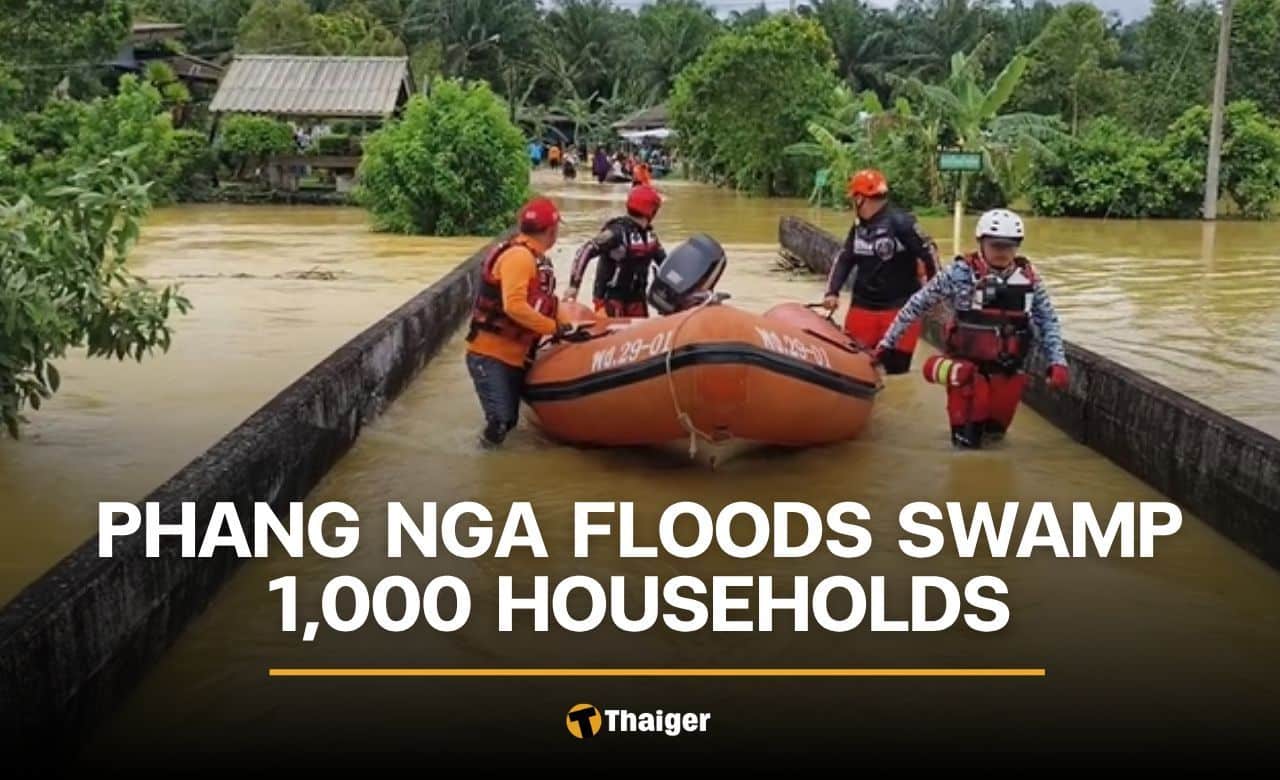
Recent floods in Phang Nga’s Takua Pa district have affected approximately 1,000 households across five subdistricts: Khok Kian, Bang Sai, Tamtua, Bang Nai Si, and Takua Pa. This localized event saw floodwaters in the Khok Kian area reach more than 2 metres. While local officials deployed rubber boats, the disruption underscores a recurring aspect of life for both long-term residents and expatriates in Thailand's coastal regions.
Such events, though often smaller in scale than a 2004 tsunami, impact the routine existence of communities. The fact that eight households in Khok Kian reportedly refused to evacuate, citing concern for their belongings, suggests a difficult choice between safety and property. Most other residents moved in with relatives, a common adaptation strategy. The floods are not isolated incidents but reflect a seasonal pattern that coastal areas frequently experience, particularly during the September period.
Thailand has made efforts to improve its disaster preparedness, notably since the 2004 Indian Ocean tsunami. The United Nations Development Programme (UNDP) and the Ministry of Interior have collaborated with the Government of Japan to strengthen local and national policies. School preparedness has been scaled up. These initiatives primarily focus on catastrophic events like tsunamis, which killed 230,000 across Asia and prompted a memory of fear among survivors. Phang Nga was among the regions affected by that event. However, the daily reality of recurrent, localized flooding presents a different kind of challenge, one that tests the resilience of domestic infrastructure and individual household planning.
The official response, including the dispatch of rubber boats, addresses immediate needs. Yet, the persistent nature of these floods suggests a deeper question about sustainable living in regions prone to such environmental patterns. For individuals whose lives involve navigating these conditions, the measure of effective governance may not only be in grand disaster response plans but also in the consistent mitigation of predictable annual events. This involves examining how local development and land use decisions influence water management, and whether existing infrastructure can adequately cope with regular inundation.
The challenge is not just the immediate displacement or property damage but the cumulative effect on livelihood stability and the perceived reliability of local services. Expatriates, like local residents, often make long-term commitments based on an area's appeal, which can be diminished by routine disruptions. The outcome for communities in Takua Pa now depends on the efficacy of long-term flood management strategies, not just short-term relief efforts, and whether these strategies can evolve to meet predictable environmental conditions.
Sources
Newsletter
Pacific Daily
A curated briefing from Thailand, Asia-Pacific and the world.