Malaysia's percussive harmony echoes a deeper societal rhythm
The sound of drums for National Day 2026 suggests a deliberate public framing of unity, rather than an organic expression of it.
SINGAPORE
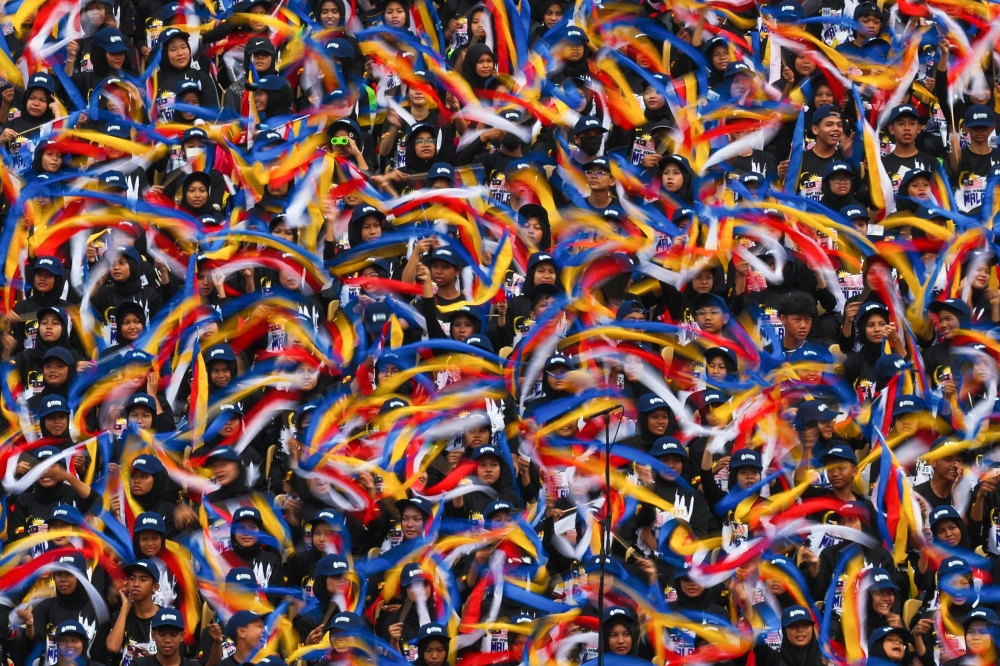
On August 28, 2026, Malay Mail Life reported that Malaysia's National Day 2026 will commence with the rhythms of the rebana ubi, 24-season drums, thavil, and gendang pampat. The announcement foregrounds a cultural performance intended to mark a national occasion. This arrangement of diverse percussive traditions—representing distinct cultural streams within the nation—aims to project a harmonious collective identity.
The act of bringing together these instruments is not merely a celebration of music; it is an active construction of a national narrative. Malaysia, after all, has a history where such cultural expressions can become entangled with political dynamics. The Star, for instance, reported in August 2024 on "beats that bring a nation together," while a piece in September 2025 noted the regional appeal of the Dhol Fest, suggesting an existing framework for shared musical appreciation. However, the South China Morning Post, in May 2026, used the phrase "election ‘war drums’" to describe political tensions, indicating that drums, as a metaphor, can also signal division.
The careful selection of traditional instruments for a major national event, therefore, appears to be a deliberate act of public signaling. It asks those who arrive, from within Malaysia and beyond, to perceive a unified nation through its composite cultural sounds. The emphasis on "one beat, many cultures" in the source headline frames this as an objective reality. Yet, it is an interpretation advanced by the event's organisers, presented as a vision for the nation rather than an inevitable state of affairs.
This presentation comes at a time when the broader political landscape holds its own complexities. Reuters reported that Malaysia’s Prime Minister ordered a probe into a unit of a sovereign wealth fund. Such events underscore that the image projected on National Day may not align entirely with the underlying political or economic currents. The choice to open with drums, in this context, functions as a powerful, public declaration of intent: to present Malaysia as a nation where diverse elements contribute to a singular, unifying rhythm. The question remains whether the chosen tempo resonates as genuinely shared, or if it is primarily an orchestrated sound for the public stage.
Sources
Newsletter
Pacific Daily
A curated briefing from Thailand, Asia-Pacific and the world.