Hong Kong's Hotel Dorms Signal a Shift in Asia's Urban Landscape
The repurposing of once-grand hospitality spaces into student housing in Hong Kong hints at a broader recalibration for cities across the region, including Thailand.
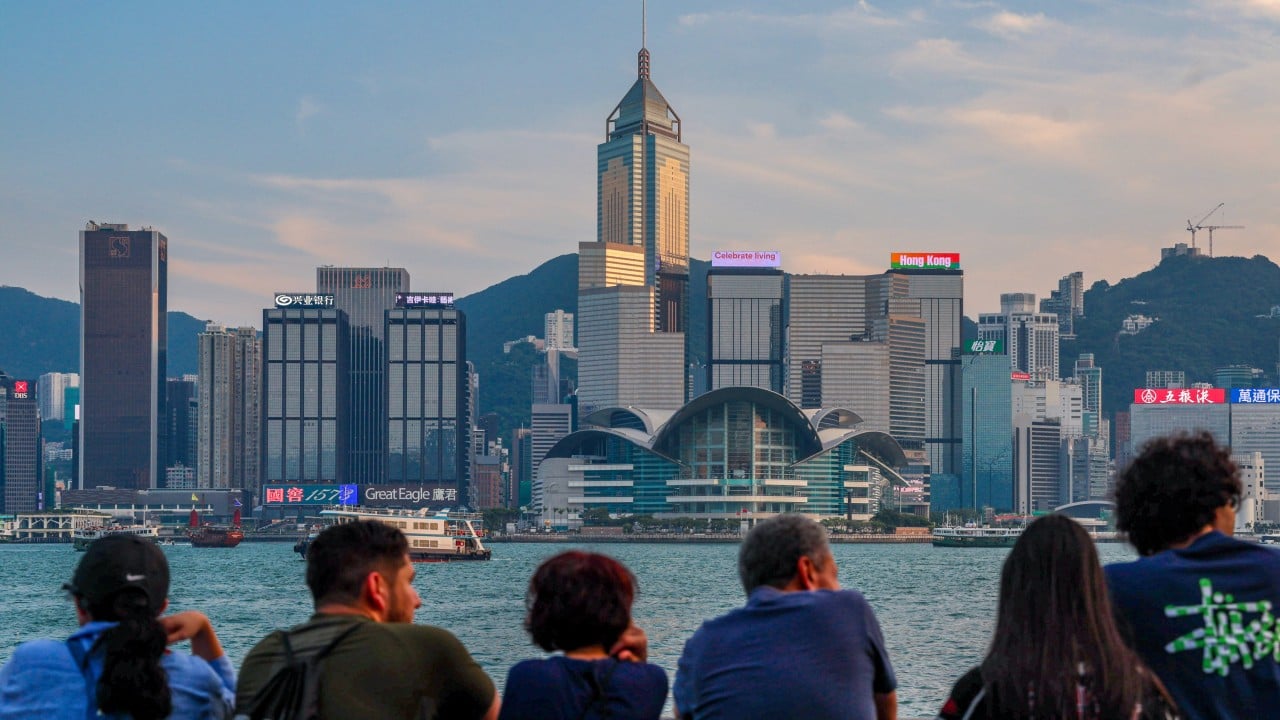
HONG KONG
In Hong Kong’s eastern Kowloon Peninsula, a former industrial area, the Hotel Cozi Harbour View, a 598-room establishment, is on the market. Acquired by Nanyang Commercial Bank for HK$1.87 billion (US$238.4 million) in 2025, the bank announced an open tender for its disposal last month, with bids due by October 15. This follows Nina Hospitality’s stated intention to convert some of its hotel properties into student accommodation. These moves illustrate a tangible shift in how Hong Kong, once recognized as the world's most-visited city, is reimagining its urban spaces.
This trend, where hotels are being repurposed for student occupation, is not unique. Similar developments have been noted in Southampton, where a Dolphin Hotel conversion was set for approval in 2024, and Oxford, where college rooms are available for sleepovers. While the immediate driver in Hong Kong is described as the city's ambition to position itself as a global education hub, the material reality is that substantial hospitality assets are no longer primarily serving their original purpose. The image of a hotel, once synonymous with bustling tourism, now adapting to house students, suggests a fundamental change in visitor flow and urban identity. Who, after all, is moving through these halls now, and what does it mean for the city's pulse?
The transformation of hotels into dormitories underscores a changing rhythm of urban life. The focus shifts from transient visitors to a more settled, though still temporary, student population. This repositioning of space can alter local economies, replacing short-term tourist spending with longer-term residential patterns. In Hong Kong, this suggests a recognition that the city’s identity is evolving beyond its former status as a prime global tourist destination. It points to an effort to cultivate a different kind of vibrancy, one rooted in academic pursuit and a youthful demographic.
For cities like Bangkok or Phuket in Thailand, this development offers a point of observation. While Thailand’s hospitality sector continues to attract significant attention, the Hong Kong example presents a counter-narrative to perpetual growth in tourism. If a city that was once the world’s most-visited is seeing its hospitality infrastructure adapt so dramatically, it prompts questions about the underlying sustainability of relying solely on tourism for urban development. The notion that cities might prioritize a stable academic presence over the flux of international visitors introduces a different calculus for land use and economic strategy.
This shift, however, also presents challenges. While the aim is to boost Hong Kong's education sector, there's also the question of unused student rooms, as observed in Durham in 2024/25. Converting hotels into student accommodation implies an assured demand that may not always materialize. The long-term implications for the local character of areas like Kwun Tong, and the wider perception of Hong Kong as a destination, remain complex. The former industrial district now transitioning from tourist hub to educational center marks a visible change in Hong Kong's urban fabric.
Sources
Newsletter
Pacific Daily
A curated briefing from Thailand, Asia-Pacific and the world.