Food Exports into Emerging Markets: A Speculative Yield
The introduction of Malaysian 'nasi kandar' in Phu Quoc signals a high-risk bet on tourist demand and destination stability.
SINGAPORE
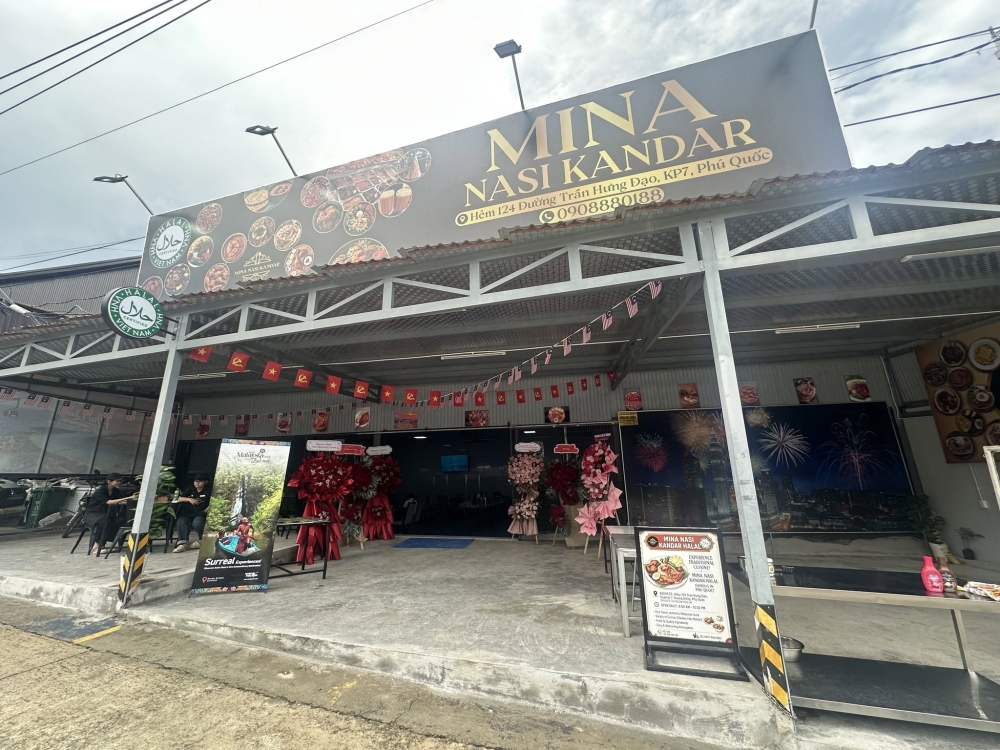
The reported establishment of Malaysian 'nasi kandar' cuisine in Phu Quoc, as noted on September 20, 2026, positions a specific food offering against the backdrop of an emerging holiday island. This venture, featuring mixed curry gravies, fried cabbage, and honey chicken with teh tarik, assumes that a niche culinary import can generate significant revenue from an international tourist base. The commercial decision inherently relies on a specific yield assumption: that a sufficient volume of visitors will convert into dining customers, offsetting operational costs and delivering profit.
Phu Quoc's status as a holiday island indicates a dependency on tourism. The arrival of 'nasi kandar' suggests an expectation that this market segment is mature enough to support specialized dining. The incentive for such an investment is to diversify the island's appeal and capture a segment of tourists seeking authentic regional experiences, potentially from Malaysia or those familiar with the cuisine. The immediate winners, if successful, would be the entrepreneurs behind the 'nasi kandar' establishment. The broader benefit for Phu Quoc would be a more varied culinary landscape.
However, the operational environment for such ventures in developing tourist destinations often contains significant unpriced risks. While not directly tied to the new food business, incidents impacting tourist perception can undermine demand across the board. A Reuters report from 2026 detailed a boat capsizing incident off Phu Quoc island. Such events can introduce uncertainty regarding safety, which may deter potential visitors. This specific incident resulted in 15 fatalities. Investor confidence, particularly for long-term projects in tourism-reliant areas, hinges on sustained visitor numbers and the perception of a secure environment. A disruption to either can directly impact the profitability of businesses, including new food establishments, that depend on consistent tourist traffic. The yield assumption for a new restaurant remains contingent on factors outside its direct control.
Beyond safety concerns, the core appeal of a 'holiday island' for many tourists is often centered on natural attractions, leisure facilities, or established resort infrastructure, rather than specific culinary imports. While food contributes to the overall experience, a regionally specific dish like nasi kandar, popular within its home market, does not inherently possess global brand recognition that would independently drive tourist arrivals to Phu Quoc. Its success hinges on complementing existing attractions or generating substantial interest to warrant a dedicated visit. This suggests the yield is tied more to the existing tourism pull than to the unique offering itself.
The outlook for such culinary investments in emerging markets remains tied to the underlying stability and growth trajectory of the destination. Phu Quoc faces the ongoing task of cultivating robust infrastructure and maintaining visitor confidence. The primary constraint on the return for ventures like the 'nasi kandar' establishment is the inherent unpredictability of tourist behavior and the potential for external events to disrupt travel patterns. Until these variables are more firmly established, the yield from such investments carries a speculative quality.
Sources
Newsletter
Pacific Daily
A curated briefing from Thailand, Asia-Pacific and the world.