Personal celebrity and its cost in the digital age
A social media personality's London holiday shows the blurred lines between private life and public commerce.
SINGAPORE
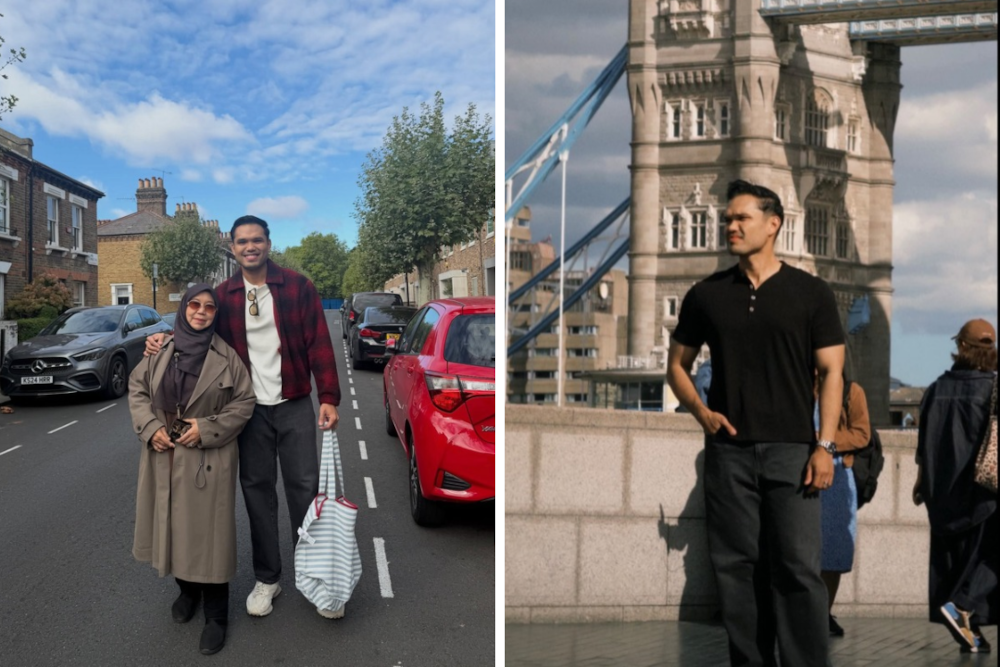
The reported London holiday of Khairul Aming, a Malaysian social media personality, has prompted a public response extending beyond typical fan engagement. Accounts from September 21, 2026, indicate that his online posts from the trip quickly generated public speculation about his personal relationships, specifically regarding matchmaking proposals for him and his mother. This reaction, stemming from a seemingly private vacation, highlights the pervasive nature of online celebrity and its implications for individuals operating in the digital sphere.
Such a scenario reflects a growing trend where the boundaries of personal life are continually renegotiated in public view. The expectation of privacy, even during a family holiday, appears to diminish when an individual has cultivated a significant online following. The shift is not merely about public interest, but about the commercial and social pressures that accompany it. Public figures, whether by design or consequence, become platforms for a range of public interactions, including unsolicited personal advice and propositions. This phenomenon can be observed across the Asia-Pacific, as digital content creation becomes a primary avenue for entrepreneurship and public engagement. Meanwhile, London continues to attract significant interest from the region, with new routes like AirAsia X's Kuala Lumpur-Bahrain-London service unveiled in February 2026, and Asia-Pacific buyers actively seeking commercial properties there as of February 2024.
The core of the issue lies in who benefits and who bears the cost of this public scrutiny. While social media allows for direct engagement and can foster a sense of community, it also grants audiences a perceived intimacy that can lead to overreach. For the celebrity, this environment can mean a constant negotiation of personal boundaries, where an ordinary event like a holiday transforms into fodder for public discourse. The privacy of family members, who may not have consented to such public exposure, is also compromised. The value generated by such attention—often monetized through endorsements and engagement metrics—primarily accrues to the personality and the platforms they use. The cost, however, is borne by the individual's diminished privacy and the emotional labor required to navigate an audience that feels entitled to a stake in their personal life.
Some might argue that this is an unavoidable byproduct of celebrity, a trade-off for the opportunities and influence that come with it. They might suggest that managing public expectations is part of the job for an online personality. However, this perspective risks normalizing a transactional view of human relationships, where personal details become commodities. The ability to maintain a distinction between one's public persona and private self becomes increasingly challenging, often leading to mental and emotional strain that is rarely acknowledged in public discourse. The unsolicited matchmaking suggestions, for instance, demonstrate a public readiness to intervene in an individual's private life, treating it as public property.
The broader implication for society is a gradual erosion of personal space, where public and private realms become indistinguishable. This episode, originating from a social media post about a London trip, illustrates how individual choices can trigger widespread public engagement with deeply personal matters. It reflects a societal habit where the lines separating public admiration from private intrusion are increasingly blurred, creating an environment where individuals are always, to some degree, performing.
Sources
Newsletter
Pacific Daily
A curated briefing from Thailand, Asia-Pacific and the world.