Erratic Water Cycle: A New Budget Reality for Thai Households
UN warnings of shrinking freshwater reserves signal practical financial shifts across Asia-Pacific.
SINGAPORE
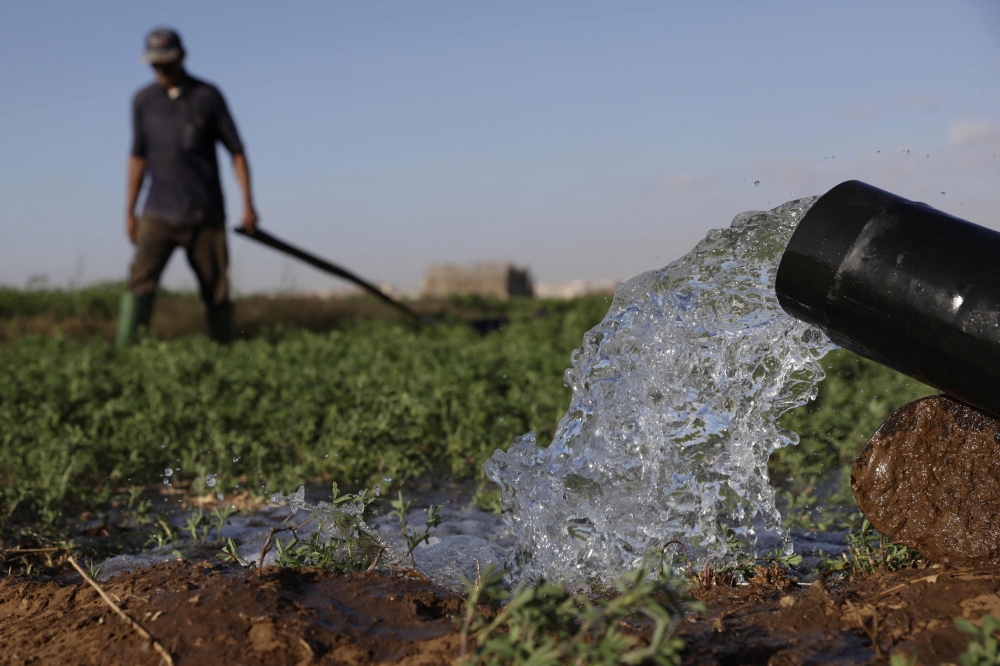
The United Nations stated on September 17, 2026, that the planet’s water cycle is increasingly erratic. This means swings between periods of too little and too much water. Earlier, United Nations University scientists formally defined this new reality for billions of people as an “Era of Global Water Bankruptcy.” For households in Thailand and across the Asia-Pacific, this terminology suggests a practical shift in how water affects daily finances and long-term planning.
The core issue is a shrinking availability of freshwater reserves combined with unpredictability. This instability can impact agriculture, which forms a significant part of many regional economies, including Thailand's. When harvests are affected by drought or flood, food prices can fluctuate. These fluctuations directly impact monthly grocery budgets. Utility costs, particularly for water, may also see adjustments as supply management becomes more complex. The Malay Mail Life, on September 17, 2026, reported on the UN's warning, highlighting the global scale of the problem. While other discussions might focus on rare earth exports or geopolitical events, the immediate concern for many remains domestic costs.
### Household Budgets Under Pressure
The notion of “water bankruptcy” is not abstract; it translates into tangible economic pressures. For a typical Thai family, ensuring access to consistent, affordable water becomes a greater concern. The cost of bottled water, or even home filtration systems, might rise. In agriculture-dependent areas, rural incomes could become less stable, driving urban migration and putting pressure on city infrastructure and resources. This includes water systems already strained by urban growth. The regional focus on Asia-Pacific by Malay Mail Life underscores that these are not isolated incidents but a widespread trend.
Some might argue that technological advancements, like desalination or more efficient irrigation, will mitigate these issues. While such technologies exist, their implementation often comes with high capital and operational costs. These costs eventually fall back on consumers or taxpayers. The scale required to deploy these solutions to address an “Era of Global Water Bankruptcy” suggests they are not a quick or universally affordable fix. Furthermore, the erratic nature of the water cycle, alternating between extremes, means that a solution for drought might not address flooding. This necessitates diverse and costly infrastructure investments.
Ultimately, how national and local governments respond to this declared “bankruptcy” will dictate its impact on household budgets. Investment in resilient water infrastructure, careful management of agricultural policies, and transparent communication about rising costs will be critical. The outcome for many Thai families now depends on these decisions.
Sources
Newsletter
Pacific Daily
A curated briefing from Thailand, Asia-Pacific and the world.