A Snack Shooter: Brands Blur Games and Products
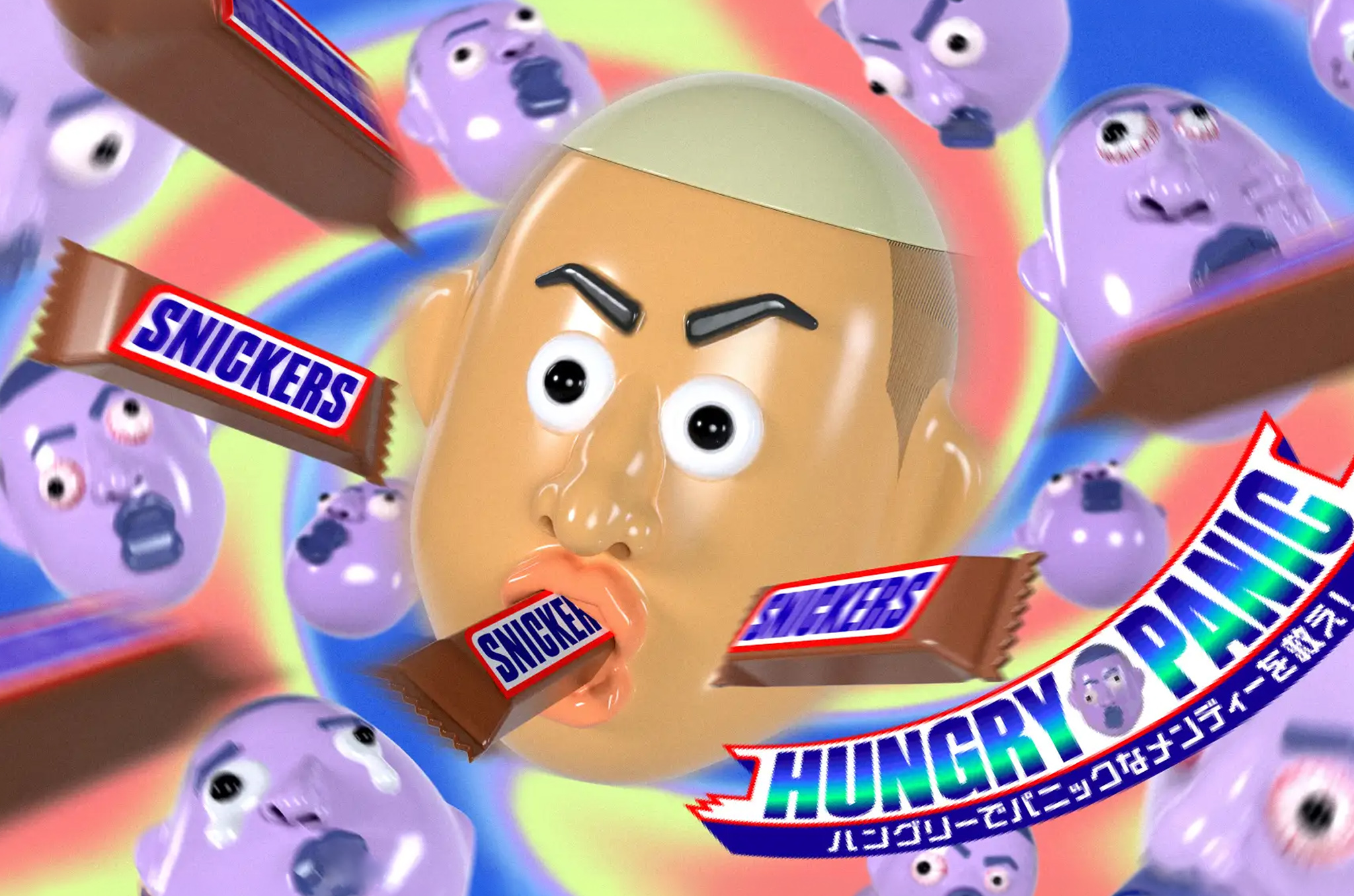
Snickers Japan's new first-person shooter game, featuring candy bar ammunition, highlights a trend where consumer brands integrate themselves directly into entertainment experiences, shifting how products are perceived by their audience.
SINGAPORE
Mars Japan has released a first-person shooter game where players use Snickers candy bars as ammunition. The game, reported by Tokyo Weekender on September 29, 2026, positions a snack as a tool within a gaming environment.
This development reflects a strategy by consumer brands to move beyond traditional advertising. Instead of simply promoting a product, companies are creating experiences where the product is central to the interaction. For expatriates and residents in Asia-Pacific countries, this trend means a continuous blurring of lines between entertainment and commerce. What was once a clear distinction between a video game and a commercial is now often a single, integrated experience.
For an individual living in, for example, Thailand, the immediate effect might be subtle. A person might encounter the Snickers game online, perhaps through social media or gaming platforms. The interaction is brief, possibly a few minutes of play, yet it embeds the brand directly into an activity. The candy bar is no longer just an item to be purchased; it becomes a functional element in a digital world. This shift in exposure alters how brands like Snickers are absorbed into daily life. It presents a product not just as a treat, but as part of an experience, however fleeting.
Some might argue that such brand integration is harmless, a creative form of marketing that engages consumers rather than merely interrupting them. The game is free, accessible, and provides a novel interaction with a familiar product. Its design suggests an attempt to be memorable, relying on the unexpected combination of a candy bar with a game genre often associated with more conventional weaponry. The Japan Times, for instance, reported in 2019 on new gun laws in New Zealand following a mosque incident, illustrating the societal weight that real-world weapons carry. The use of a candy bar as 'ammunition' in the Snickers game creates a contrast, positioning the product in a lighthearted, non-threatening context.
However, the increasing presence of brands within digital spaces warrants examination. When entertainment platforms become vehicles for product placement that is not overtly labeled as advertising, the distinction between content and promotion becomes less clear. For people navigating diverse media landscapes in the region, understanding the commercial intent behind these experiences can be challenging. The Papua New Guinea public and police learning to get along, as discussed by RNZ in 2025, requires 'no magic bullets,' a phrase that highlights the seriousness of real-world issues compared to a game.
The trend suggests that brands are seeking deeper, more integrated ways to reside in consumer consciousness. The Snickers game is one instance of this, but it points to a broader change in how products arrive in people's lives. The outcome now depends on how consumers in the Asia-Pacific region respond to these embedded commercial experiences, and whether they perceive them as genuine entertainment or as a new form of pervasive marketing.
Sources
Newsletter
Pacific Daily
A curated briefing from Thailand, Asia-Pacific and the world.