Echoes of History: Sao Tome’s Plantations and Asia's Cultural Reckoning
The adaptive reuse of colonial sites in Sao Tome and Principe suggests a path for Asia-Pacific nations navigating difficult pasts.
SINGAPORE
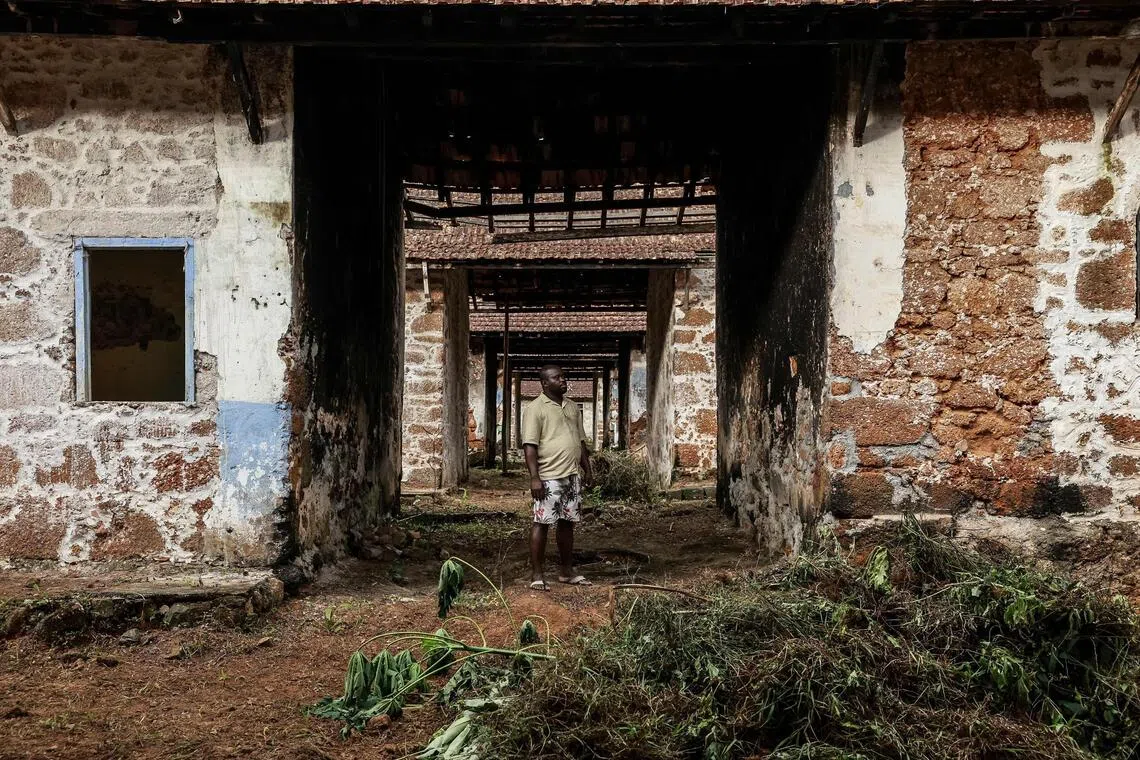
On Principe Island, within Sao Tome and Principe, abandoned buildings dot the landscape of Sanzalas in Roca Sundy. These structures are remnants of what are known as "rocas" — colonial plantations built on forced labor and slavery. UNESCO recognizes these sites as World Heritage sites. While many rocas are in poor condition, private investors are currently restoring them for tourism. The government plans a 10-year restoration effort, aiming to preserve their heritage and share their history.
This movement to reclaim and redefine spaces scarred by historical injustice is not unique to Sao Tome and Principe. It reflects a wider pattern of cultural negotiation, particularly evident in how societies grapple with physical legacies of exploitation. The transformation of a forced labor site into a tourism destination is a profound shift in narrative, where the act of visiting itself becomes an encounter with a reimagined past. Conceicao Moreno, 46, a member of parliament for the Movement for the Liberation of Sao Tome and Principe, stands near these abandoned buildings, a figure observing this ongoing change.
The initiative to convert these rocas into tourist attractions implies a deliberate strategy to re-contextualize their dark origins. It moves beyond mere preservation, engaging with the commercial reality of tourism to fund restoration and share historical narratives. This approach presents a tension: the potential for economic revitalisation against the risk of aestheticizing suffering. The government's stated aim to both preserve heritage and share history suggests an intention to balance these forces, though the specific mechanisms for sharing the history of forced labor within a tourism framework remain to be seen.
For Thailand and the broader Asia-Pacific, where legacies of colonial influence, conflict, and economic exploitation have similarly shaped landscapes and communities, Sao Tome's path offers a point of reference. From the rubber plantations of Malaysia to the former penal colonies of Australia, physical spaces often bear the silent testimony of difficult eras. The challenge lies in how these spaces are acknowledged and integrated into contemporary life without erasing their past. The decision to brand these sites as World Heritage acknowledges their significance, but their future use as tourist destinations signals an active, rather than passive, engagement with this heritage.
The underlying question is which habit changed first. Is it a shift in public perception of these sites, prompting investment? Or is it the investment itself that is reshaping how people interact with their history? The movement in Sao Tome and Principe, with private investment driving restoration and a government plan for a decade of heritage preservation, indicates a simultaneous re-evaluation of both cultural memory and economic opportunity. The transformation of rocas from symbols of forced labor to sites of heritage tourism is a complex cultural signal, suggesting that for some places, confronting a painful past may now involve inviting the world to witness its reimagining.
Sources
Newsletter
Pacific Daily
A curated briefing from Thailand, Asia-Pacific and the world.