Dual Lives, Divided Loyalties: The Unseen Weight of Citizenship in a Borderless Asia
While the pursuit of dual citizenship reaches record levels, the practicalities of a life split between nations reveal a complex reality beyond simple legal status.
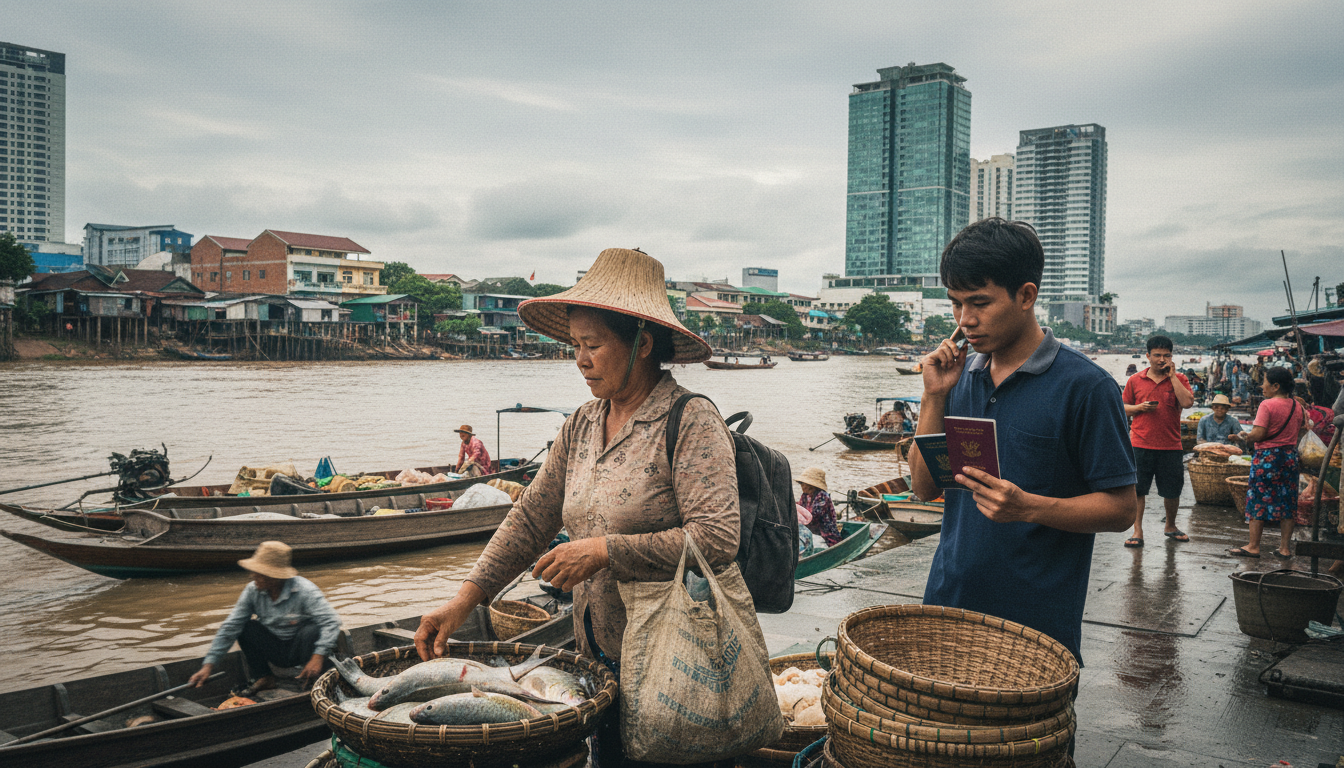
The image of a life lived across borders, with two passports in hand, often presents as one of boundless opportunity. Yet, beneath the surface of growing interest, particularly in a region like Asia where mobility is increasingly common, the reality of dual citizenship brings with it an intricate set of considerations that extend beyond the simple possession of a second nationality. The Mexico News Daily recently noted that applications for dual citizenship are at an all-time high, prompting MND’s Alan Chazaro to reflect on his experiences as a working dual citizen.
Chazaro's personal journey, which included rediscovering Mexico in 2016 through a month-long road trip from Jalisco’s Pacific Coast to the Gulf Coast of Veracruz, highlights a common thread: the deep, often familial, ties that draw individuals back to their ancestral lands. For those whose parents immigrated, returning as independent adults with their own incomes can transform their perspective. This desire to reconnect, to see a country on one's own terms, speaks to a fundamental human need to reconcile identity with opportunity.
However, the perceived freedom of dual citizenship often obscures underlying complexities. While the benefits of ease of travel, property ownership, or closer family ties are apparent, the practicalities can be more challenging. For instance, The Washington Post documented an individual reclaiming South Korean citizenship after losing it as an infant, underscoring the deep personal significance of such decisions. This suggests that citizenship is not merely a legal document but a profound aspect of identity, sometimes lost and then actively recovered.
Beyond personal identity, financial and legal implications often arise. Forbes has previously highlighted the hidden risks for American-born individuals abroad with unregistered U.S. citizenship, hinting at potential administrative burdens or unforeseen legal entanglements. Moreover, the increasing value placed on second citizenships has given rise to schemes, like Dominica’s $1 billion program, which The Guardian revealed had sold thousands of ‘golden passports.’ These programs, while offering a clear pathway to a second nationality, also raise questions about global inequality and the commodification of citizenship. The New York Times even reported on “Four Problems for Trump in Birthright Citizenship Case,” suggesting that the very concept of citizenship, particularly birthright, is subject to ongoing political and legal contention in some nations.
For residents of the Asia-Pacific, where economic migration and the desire for diverse opportunities are strong, these considerations resonate keenly. The appeal of retaining ties to an origin country while establishing new roots elsewhere can be powerful. However, the decision to pursue or maintain dual citizenship is not simply additive; it necessitates navigating two sets of laws, two cultural expectations, and potentially two tax systems. What might appear as a seamless advantage on paper can demand constant negotiation in daily life, shaping personal and professional trajectories in ways often overlooked in the initial enthusiasm for global mobility. The practical demands of a divided legal existence ask individuals to manage intricate obligations while seeking to enjoy the benefits of belonging to more than one nation.
Sources
Newsletter
Pacific Daily
A curated briefing from Thailand, Asia-Pacific and the world.