Danang's Begging Crackdown Signals Deeper Tourism Policy Shift
A local regulation in Vietnam points to a broader structural reorientation in Southeast Asia's tourism strategies, prioritizing image over immediate social welfare. The measure suggests an unresolved tension between economic growth and social policy, impacting who benefits from rising visitor numbers.
SINGAPORE
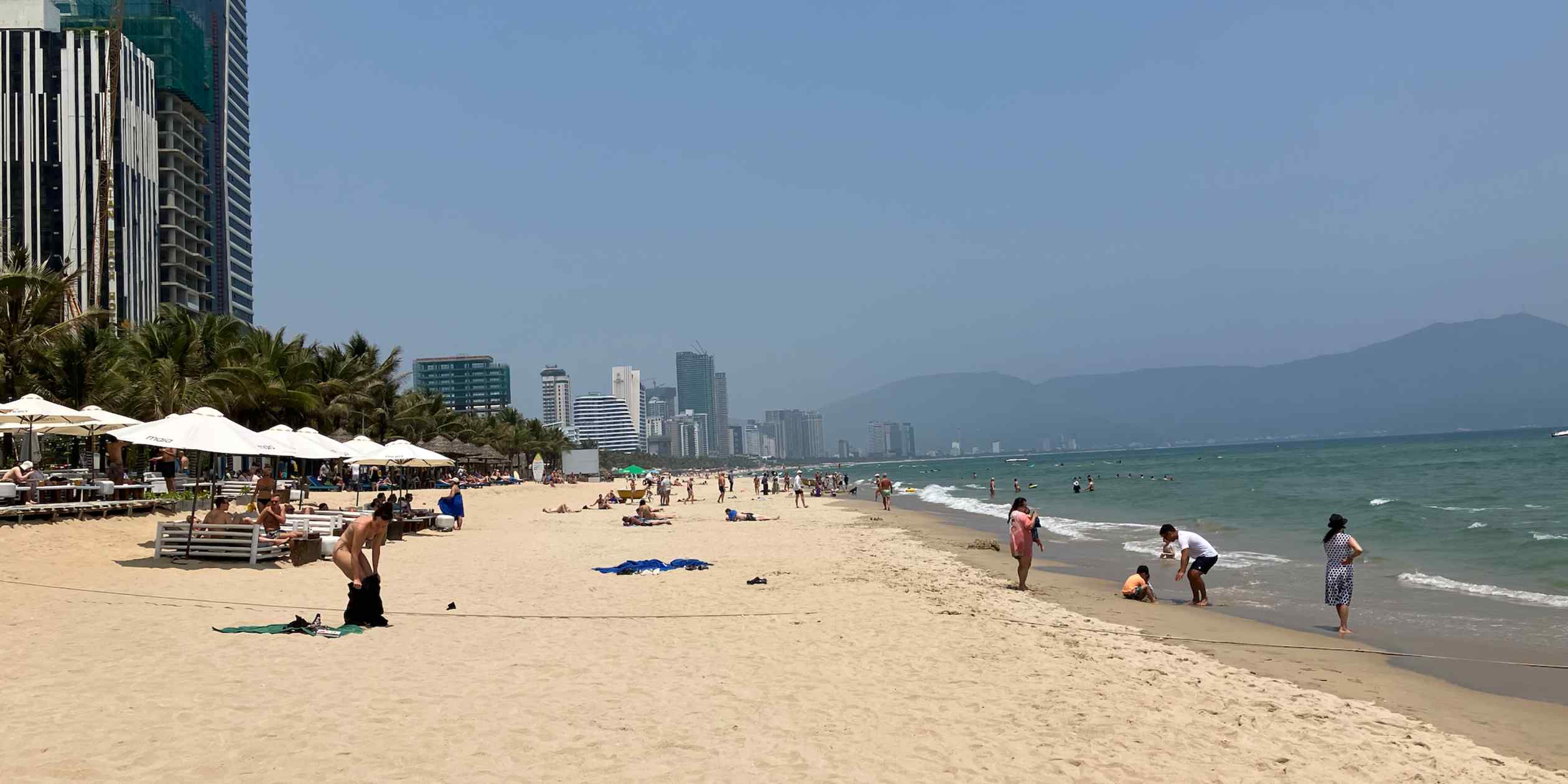
The city of Danang, Vietnam, is cracking down on begging as its tourism sector experiences a surge, a development reported by Nikkei Asia on October 9, 2026. This measure, while locally focused, highlights a structural shift in how destinations within Southeast Asia are managing the consequences of increased visitor numbers. The immediate decision reflects a policy choice to curate a specific image for tourists, rather than addressing the root causes of urban poverty and visible social challenges.
Vietnam's rising prominence as a tourist destination is evident, following earlier reporting in 2017 when The New York Times noted a "Friendlier American Landing" in Danang. The city has also hosted significant events, such as the Da Nang Asian Film Fest, which The Korea Herald reported would return with a broader scope in 2025. This sustained focus on attracting international attention and investment points to a long-term strategy of elevating Danang's global profile. The crackdown on begging aligns with this objective, aiming to present a sanitized urban environment to a growing international clientele.
However, this approach introduces a structural tension. The move prioritizes the aesthetic concerns of the tourism industry over the immediate, visible social needs of a segment of the local population. While tourism surges can bring economic benefits, the distribution of these benefits often remains uneven. A policy that focuses on removing visible poverty rather than implementing comprehensive social support programs suggests an imbalance in strategic priorities. The question arises whether economic growth through tourism is adequately translating into equitable social development.
In Indonesia, for example, VnExpress International reported on June 23, 2026, that Bali is "no longer Asia-Pacific's most beautiful island," a shift that could prompt similar image management decisions in other regional destinations. As competition intensifies for tourist dollars, the pressure to control external perceptions of a destination can increase. This could lead to a broader trend where cities adopt similar measures to maintain a perceived ideal image, potentially externalizing social challenges rather than integrating them into development strategies.
The Danang decision demonstrates who holds decision-making power: local authorities responding to the demands of a rapidly expanding tourism economy. It suggests that the immediate visual impact on visitors takes precedence over a more nuanced engagement with social welfare. The unresolved constraint lies in the lack of apparent complementary social policies that would address the underlying issues of those resorting to begging. The outcome of this policy now depends on whether the perceived benefits to the tourism sector outweigh the social implications, and whether alternative strategies for social support emerge to complement economic growth.
Sources
Newsletter
Pacific Daily
A curated briefing from Thailand, Asia-Pacific and the world.