Bus Operations: The Systemic Vulnerability of Driver Reliance
Persistent commuter complaints in Tampines underscore critical operational failure points in Singapore's outsourced public transport model.
SINGAPORE
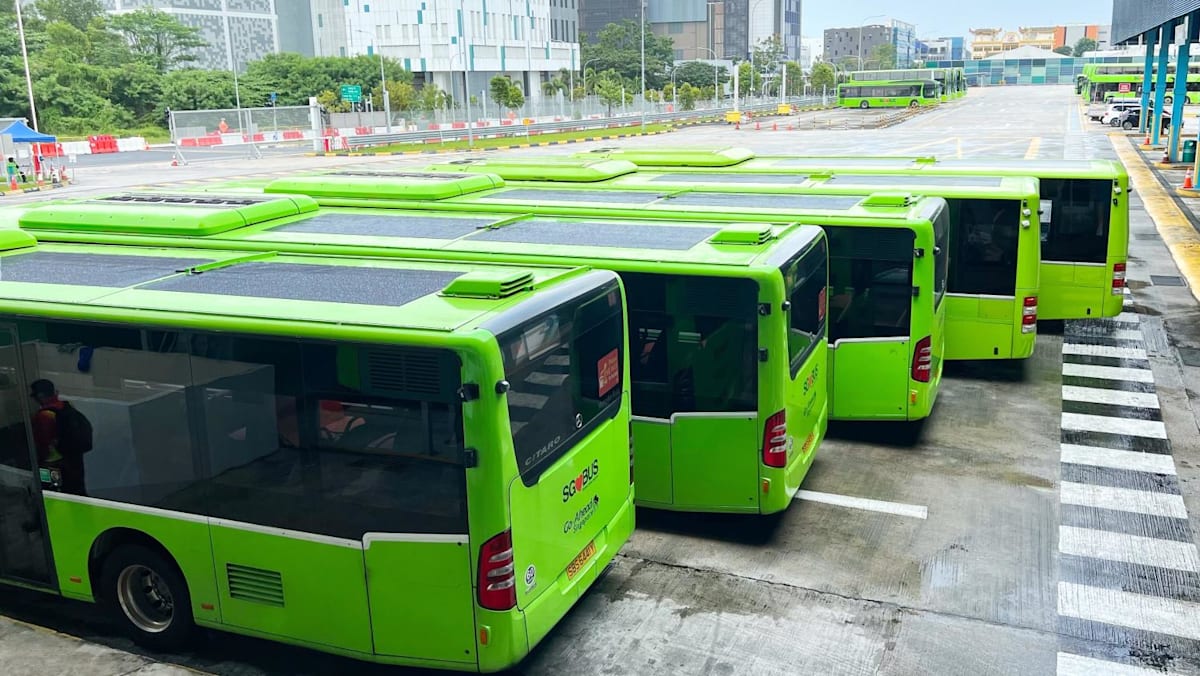
Complaints from Tampines residents regarding less predictable bus journeys, following Go-Ahead Singapore’s takeover from SBS Transit, highlight a specific operational vulnerability. This is not simply a matter of commuter inconvenience; it points to the inherent fragility when public service operations are outsourced, transferring an entire workforce and their institutional knowledge.
Go-Ahead Singapore’s response has been to step up bus captain support and training. This action, reported on September 15 and 16, 2026, implies that the disruption is primarily attributed to issues within the driver workforce. This attribution, however, may overlook deeper structural challenges.
Outsourcing, while intended to optimize costs and leverage specialized management, introduces an immediate dependency on the successful integration and retention of the transferred human capital. If an existing workforce possesses tacit knowledge crucial for efficient route navigation, traffic pattern adaptation, and passenger management, a change in operator risks eroding this operational continuity. The complaints suggest a breakdown in the system’s ability to maintain schedules and predictability, which are direct functions of driver performance and dispatch efficiency. The implication is that current support and training measures may be reactionary, addressing symptoms rather than the root cause of systemic discontinuity.
The critical question for any transport operation, particularly at full occupancy or under stress, is which part of the operation breaks first. In this scenario, it appears to be the driver-centric service delivery, leading to unpredictable journey times. This manifests as longer waits, as reported by Tampines commuters. The system's resilience is tested when a new operator inherits an infrastructure but must re-establish the critical human component. The fact that complaints emerged after the operational handover points to this period as a key stressor.
While Go-Ahead Singapore has focused on driver support, the underlying operational model is predicated on the consistent execution of routes by individual drivers. The success of this model depends on effective onboarding, ongoing training, and a work environment that allows drivers to maintain predictability under varying conditions. The present situation suggests that these elements may not have been sufficiently robust during the transition. A counterargument might suggest that these are merely teething problems inherent in any large-scale operational transition. However, the persistence of commuter issues months after the handover indicates a deeper structural challenge than transient adjustment.
The outcome now depends on whether the interventions by Go-Ahead Singapore address the specific systemic gaps that impede driver efficacy and route predictability, rather than just offering generalized support. The long-term stability of outsourced public transport contracts in regions like Asia-Pacific often hinges on these initial transitions. Failure to stabilize service delivery can erode public trust and invite closer scrutiny of contract terms and performance metrics.
Sources
Newsletter
Pacific Daily
A curated briefing from Thailand, Asia-Pacific and the world.